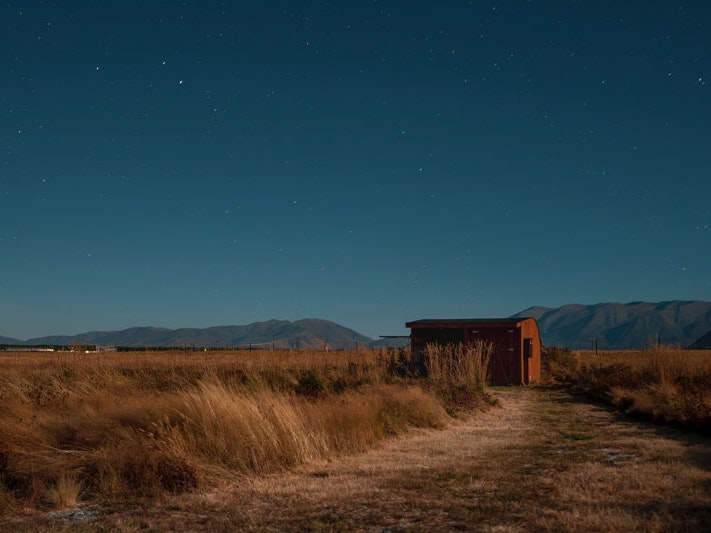


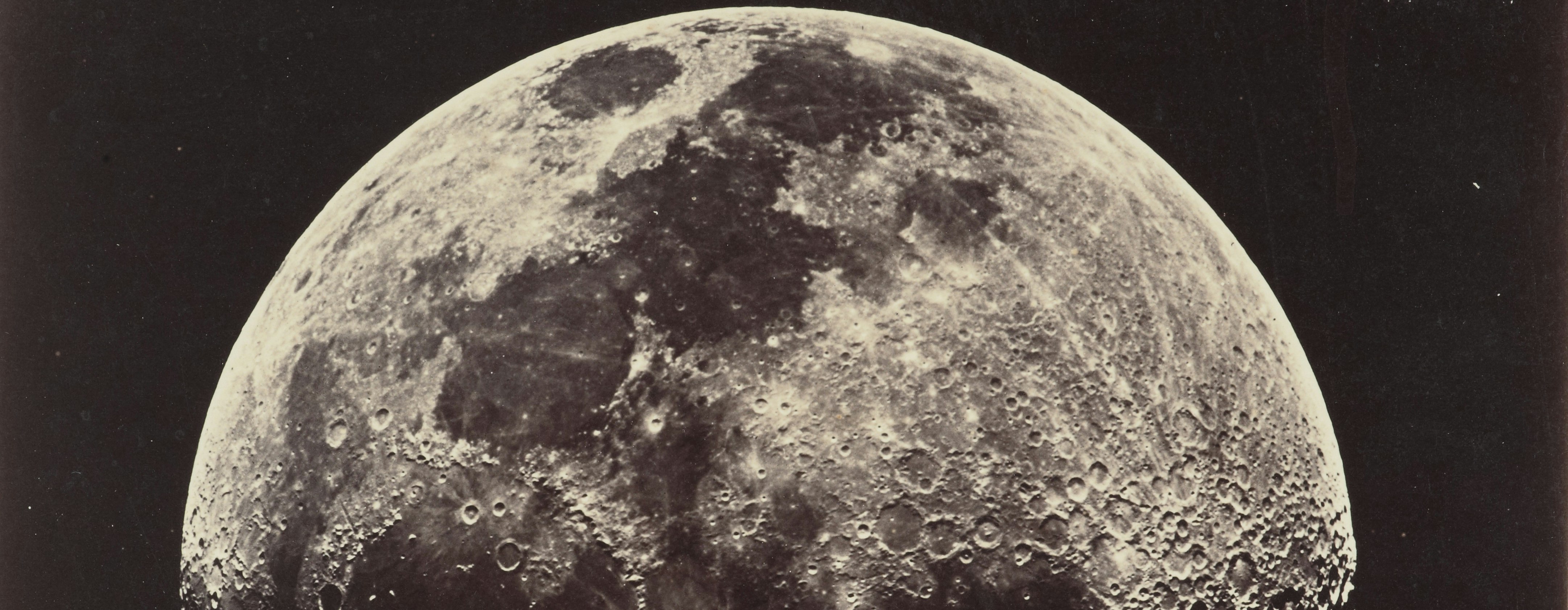
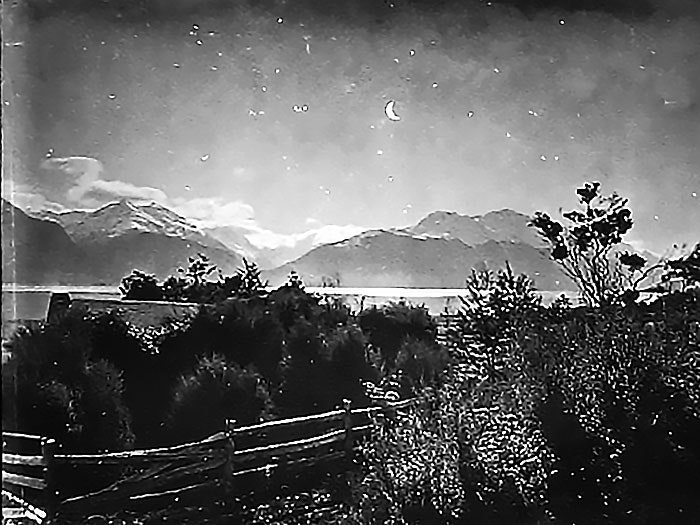
Traditionally for Māori the new year began in June, and divisions of the year were based on lunar months. With the arrival of European settlers, the Gregorian calendar system based on the solar year came to prevail.
However, Māori were concerned about the loss of their own calendar. So they introduced a system where each month of the Gregorian calendar was given an ancient name based on the activities appropriate for that month, for example, cultivation, setting seed beds, planting, weeding, harvesting, gathering, and storage. This enabled the seasonal rotation preserved by the ancient names to be retained.
June
Matariki of no abode
During the nights of Tangaroa (the twenty-third to twenth-sixth nights of the Māori calendar) Matariki is seen to take a rest, albeit a brief one, in a temporary home before recommencing her journeys. This period marks the commencement of the Māori New Year.
July
The cold of winter
Takurua or Sirius is the star that brings cold, frost, and snow.
August
The constellation of Orion
The appearance of Orion signals the third month of the Māori year, a time when the soil is lying dormant under the cold blanket of ice and frost. A time when mucus runs and people moan as they shiver with the chill. It is the cluster of stars being shaped like a handle that has led Māori to use the term ‘kakau’.
September
Where were you when the grey warbler called?
The bosom of Papatūānuku (the earth mother) begins to stir with life as seeds and plants of all types respond to the warmth of the sun. It is a time when the soil is tilled in preparation for planting of crops.
October
A person of the planting season
The earth has now become quite warm and people are engaged in the necessary pursuits of agricultural and other preparatory activities associated with the health and welfare of their families.
November
Summer has arrived when Rūhi, a wife of Rehua, begins to exert her influence in the form of enervation and exhaustion as people seek relief from the heat.
December
Rehua’s feet have touched the ground (the summer heat associated with Rehua, the star Antares, has warmed the earth).
A time when certain tree fruits ripen and some early harvesting of natural and cultivated crops take place. It is also a time when birds are nesting and late planting is undertaken.
January
The fine weather of Hewa
This is the time when the first fruits of the summer are eaten in a ritual dedication ceremony. It is also the period when people become languid and enervated as a consequence of the burning heat.
February
Whānui! It is Whānui! This is the cry heard at the heliacal rising of the star Vega, which signals the time for harvesting kūmara.
Vega has brought through the essence of the kūmara - the sweetness that can be tasted. It is a time when crops are harvested, and the pits and storehouses are filled with the harvest.
March
The stars that bring food
Food of every sort is harvested, gathered, hunted, and fished for storing for the winter months, as well as in anticipation of ceremonial and other social gatherings that will require using food stocks. Poutū-te-rangi is the star Altair that signifies the autumn season.
April
The harvest of the land and the sea are brought together
The waste of food plants is piled on the margins of the fields as the harvesting task is completed. This is the commencement of the cycle of teaching and learning.
May
The yearly cycle has now been completed when the end of the old year leads to the beginning of the New Year. At this point Māori will start gathering embers from their fires to warm their houses. Talk will prevail covering genealogy, history, cosmology, traditions, and material of an esoteric and general nature.