







Theme for Matariki celebrations 2026: Matariki herenga waka
Tue 23 Dec 2025
This year’s theme of Matariki herenga waka is all about inclusion and encouraging all people to celebrate Matariki together.
Press release He pānui pāpāho
Free museum entry for New Zealanders and people living in New Zealand
Open every day 10am-6pm
(except Christmas Day)
Free museum entry for New Zealanders and people living in New Zealand
Matariki is a time to gather with whānau and friends to reflect on the past, celebrate the present, and plan for the future.
Tue 23 Dec 2025
This year’s theme of Matariki herenga waka is all about inclusion and encouraging all people to celebrate Matariki together.
Press release He pānui pāpāho
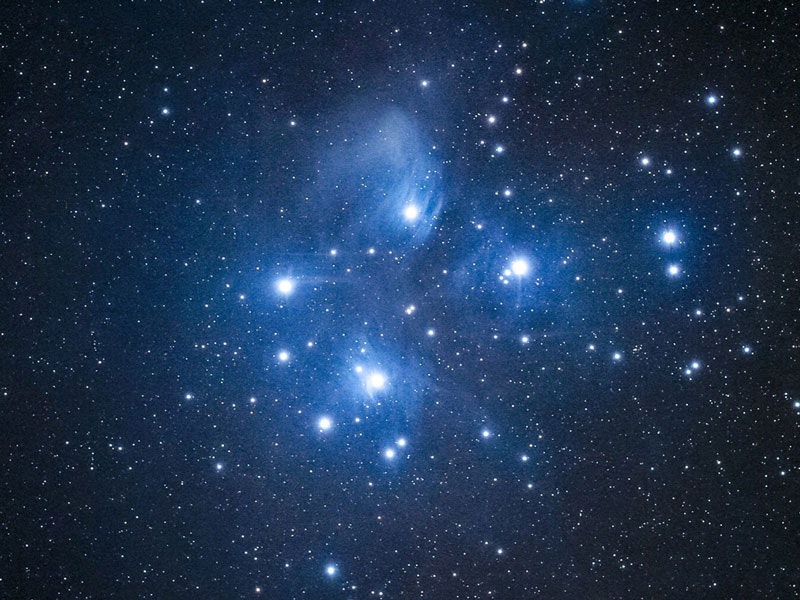
Learn about the stars of Matariki, watch a video showing you how to find the cluster, and test your knowledge in our quiz.

What to do during Matariki, a time to spend with your whānau, with waiata (songs), whakataukī (proverbs), and more.
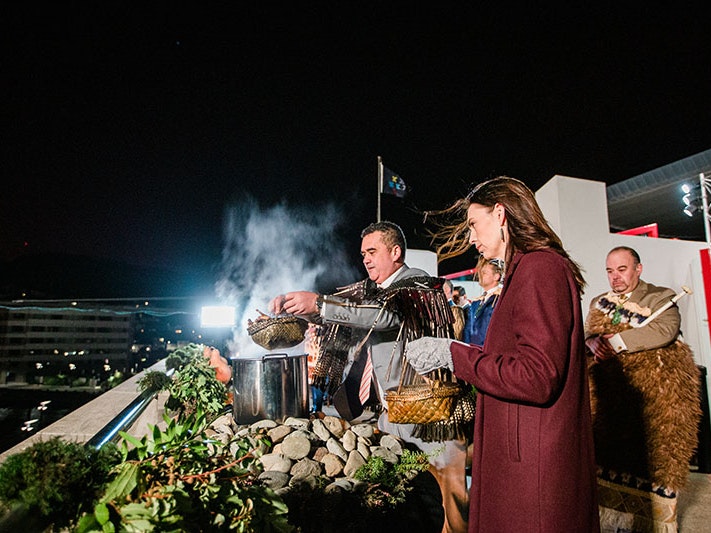
All you need to know about the whāngai i te hautapu – the ceremonial offering to Matariki – including how to host your own.

The Matariki public holiday is based on the winter rising of the Matariki cluster in the early morning sky during the Tangaroa period of the lunar month of Pipiri.
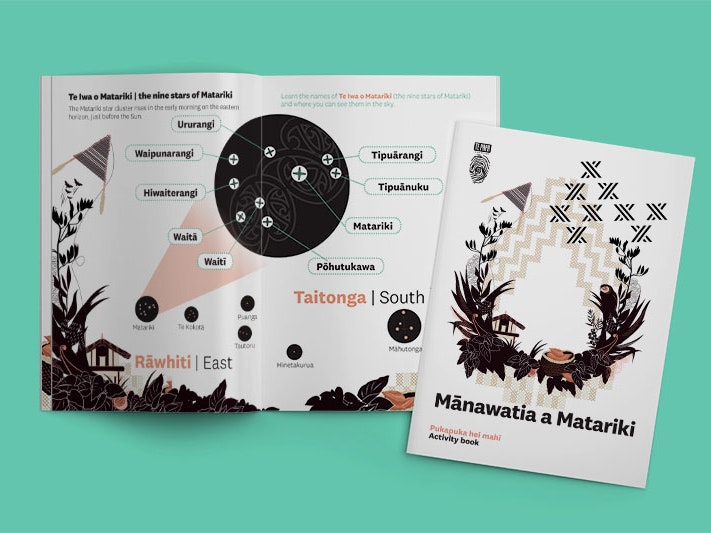
Download Matariki and maramataka teaching resources to use in your classroom, or book a Matariki education visit for your ECE or primary students.
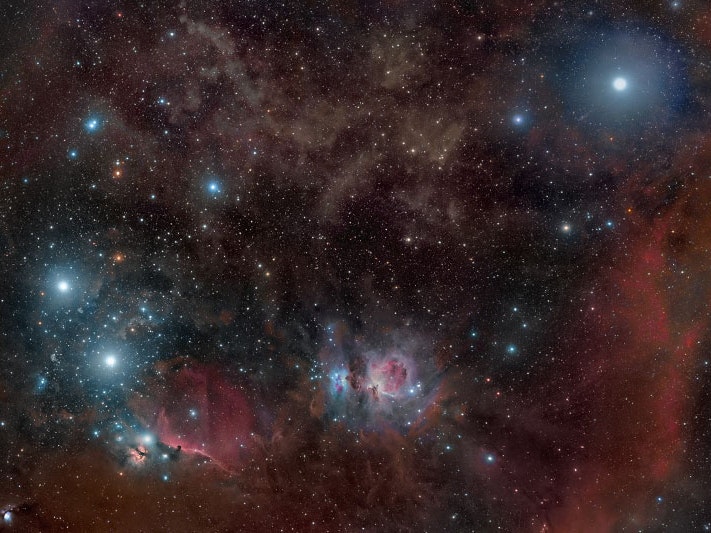
Matariki isn’t universally observed, due to a variety of reasons – including the fact that the cluster is not visible to everyone in Aotearoa New Zealand. Learn about regional variations in marking te Mātahi o te Tau (the Māori new year).

Taikura Kapa Haka is an annual festival bringing together kaumātua from across the motu in celebration of the rich mātauranga and pūkenga held in our apārangi tūnohunohu.