








ExhibitionsClosed
Slice of Heaven: 20th Century AotearoaRite ki te Rangi: Aotearoa i te rautau 20
This exhibition closed in 2017.
***
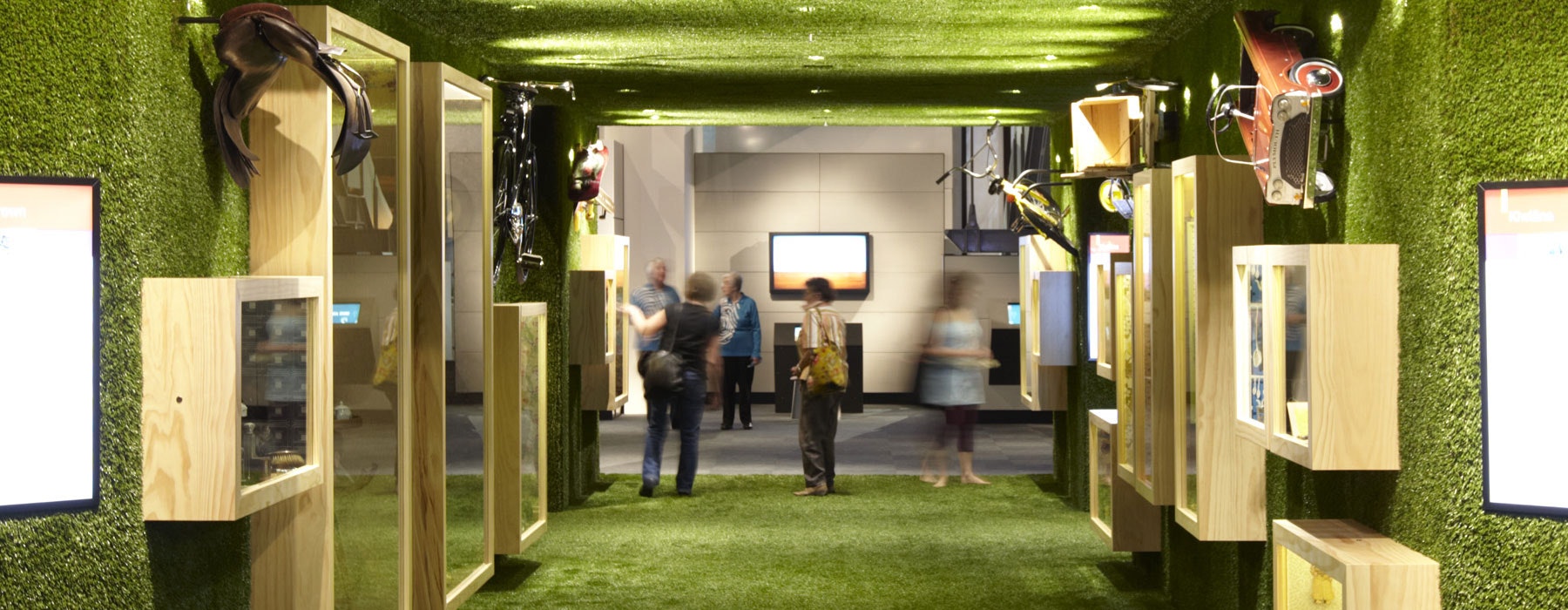
Aotearoa New Zealand changed dramatically in the 20th century. Discover what united and divided us, and shaped our lives today. Decide whether New Zealand really is a ‘slice of heaven’.
When | Āhea
21 Dec 2015 - 23 Jan 2017
Where | Ki hea
Closed
Slice of Heaven: 20th Century Aotearoa closed in January 2017.
The 1900s saw Māori, women, and gay people all stand up for their rights. The country fought in two world wars – and then took a stand against nuclear weapons. The state grew – and shrank again. Find out about these and other historic events in this kaleidoscopic view of New Zealand life from the century that was.
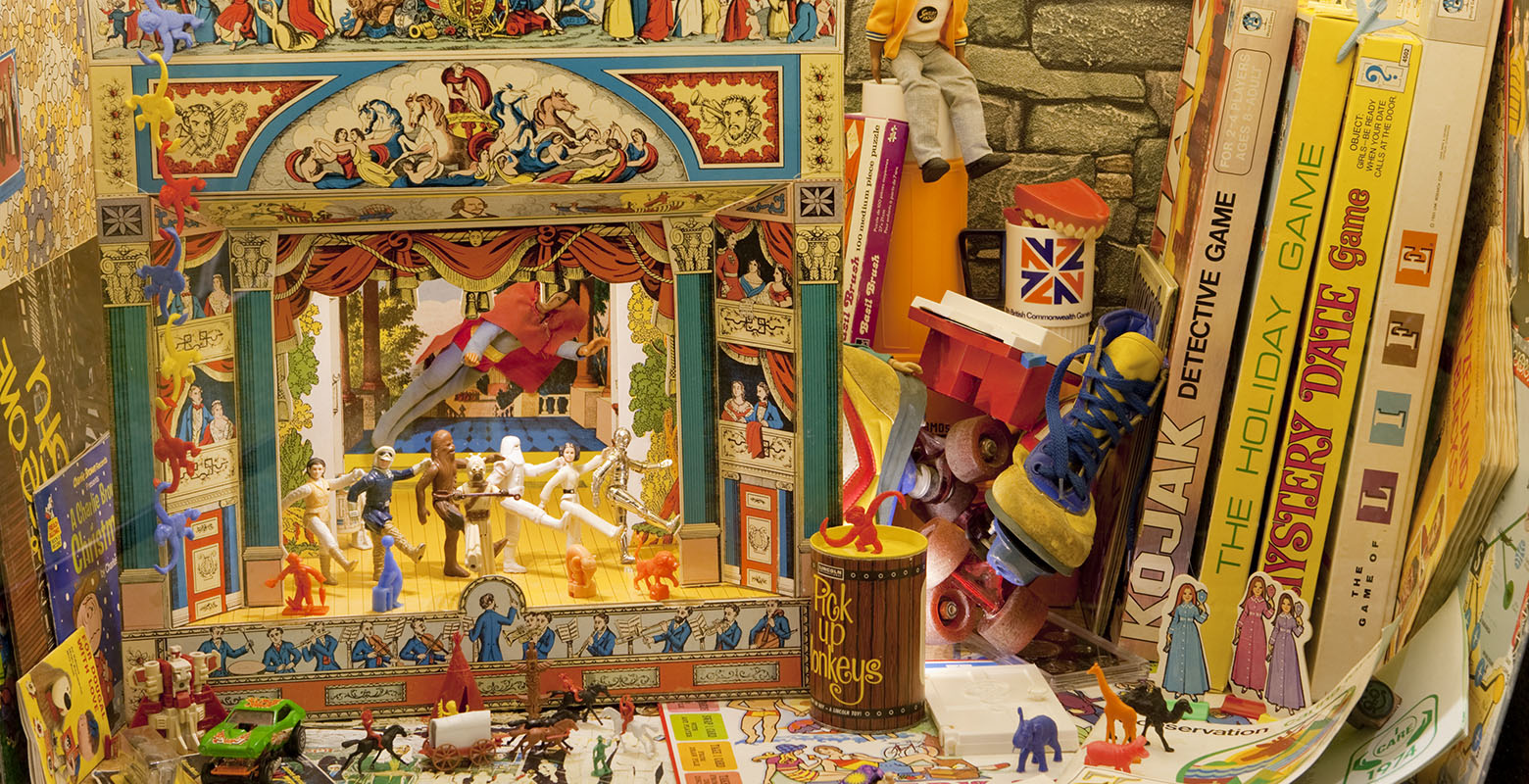
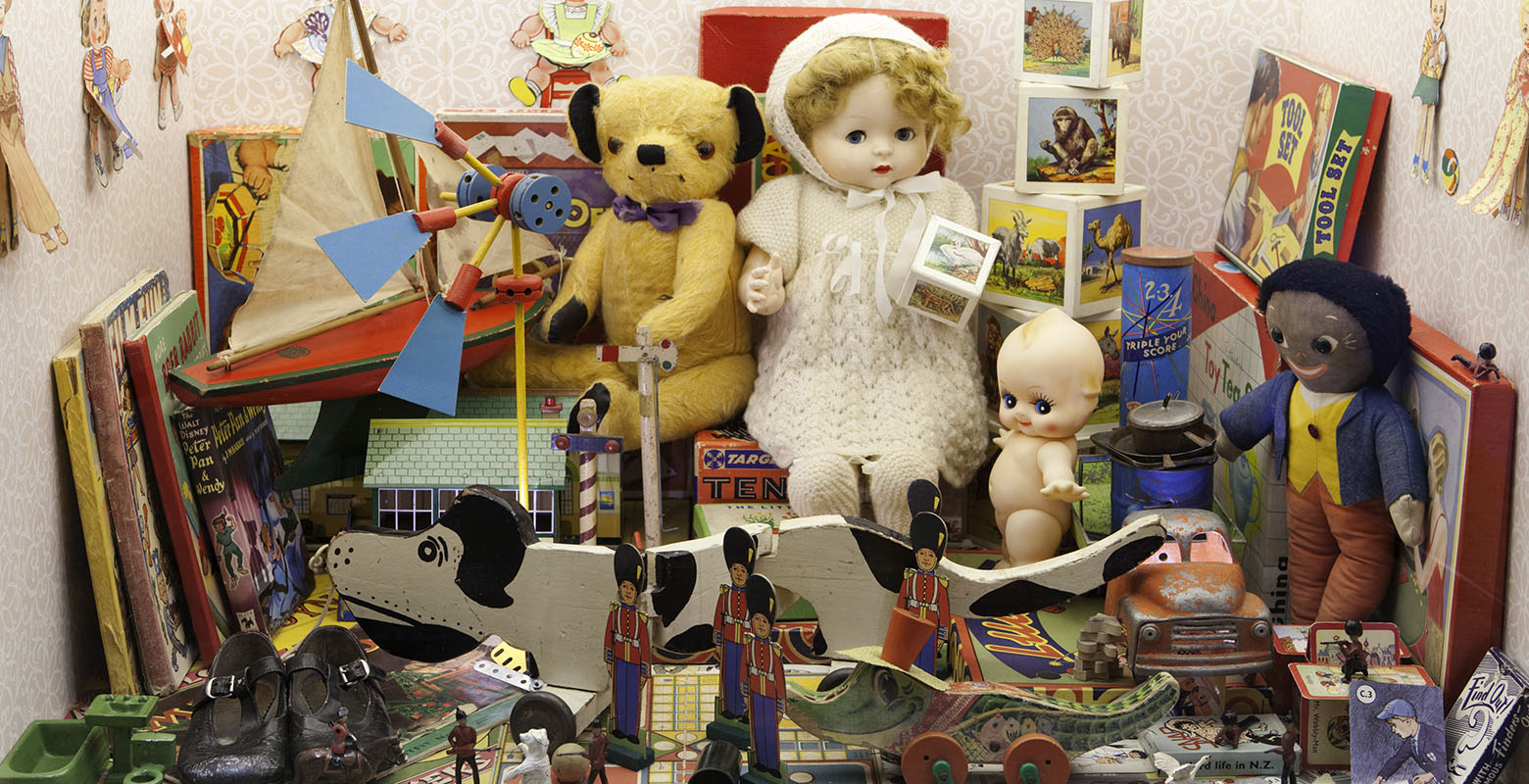
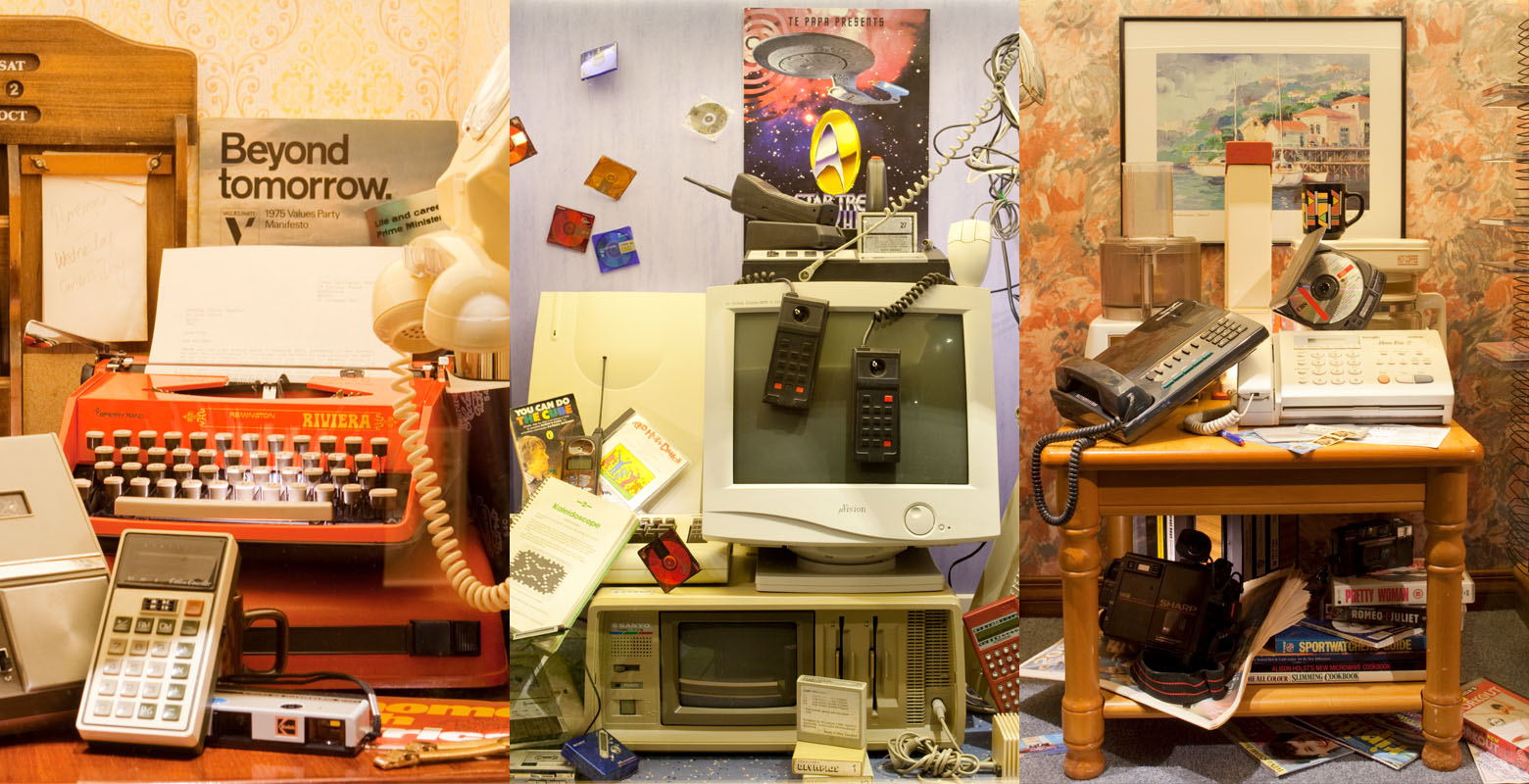
View some of the taonga that was on display in Slice of Heaven: 20th Century Aotearoa:
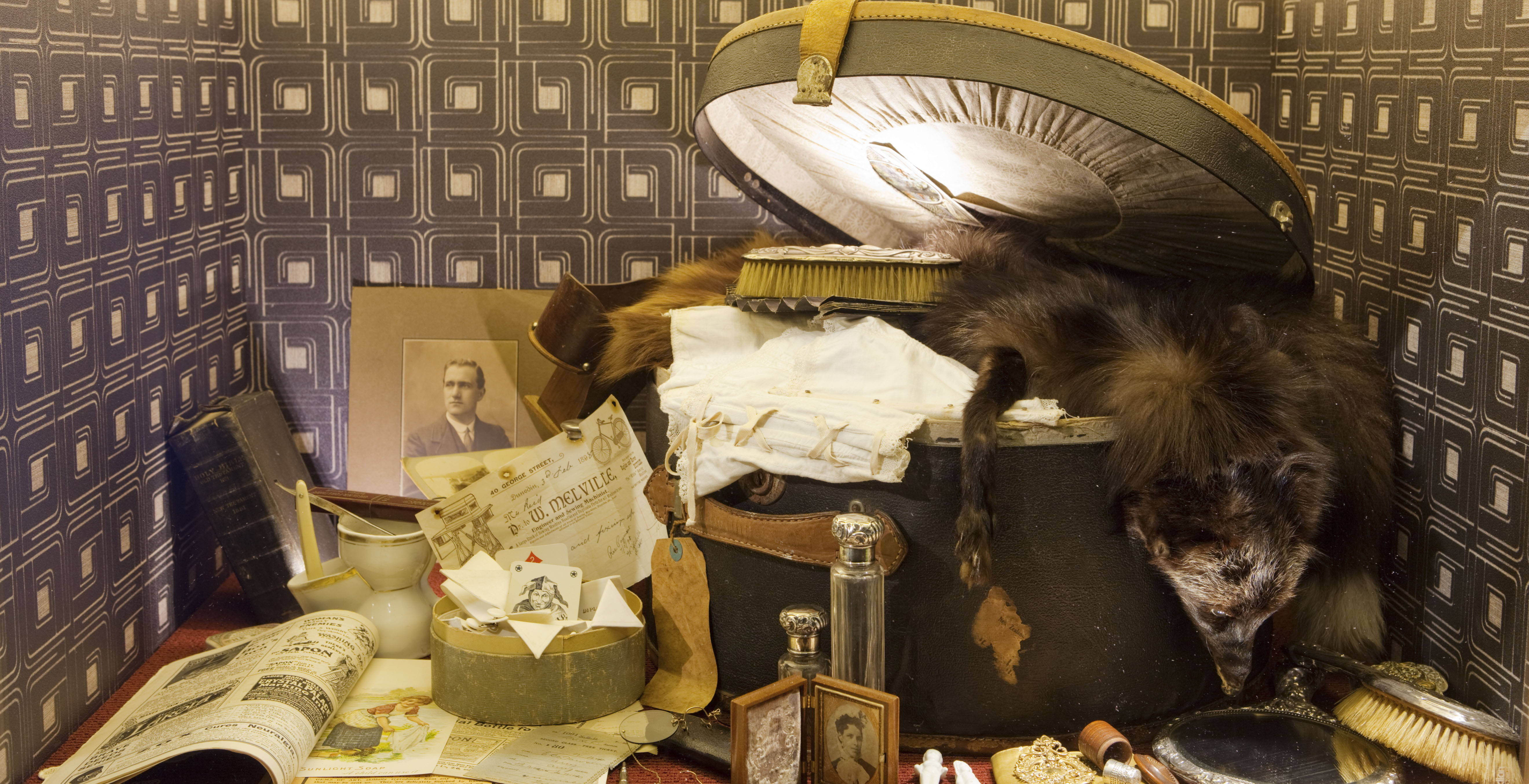
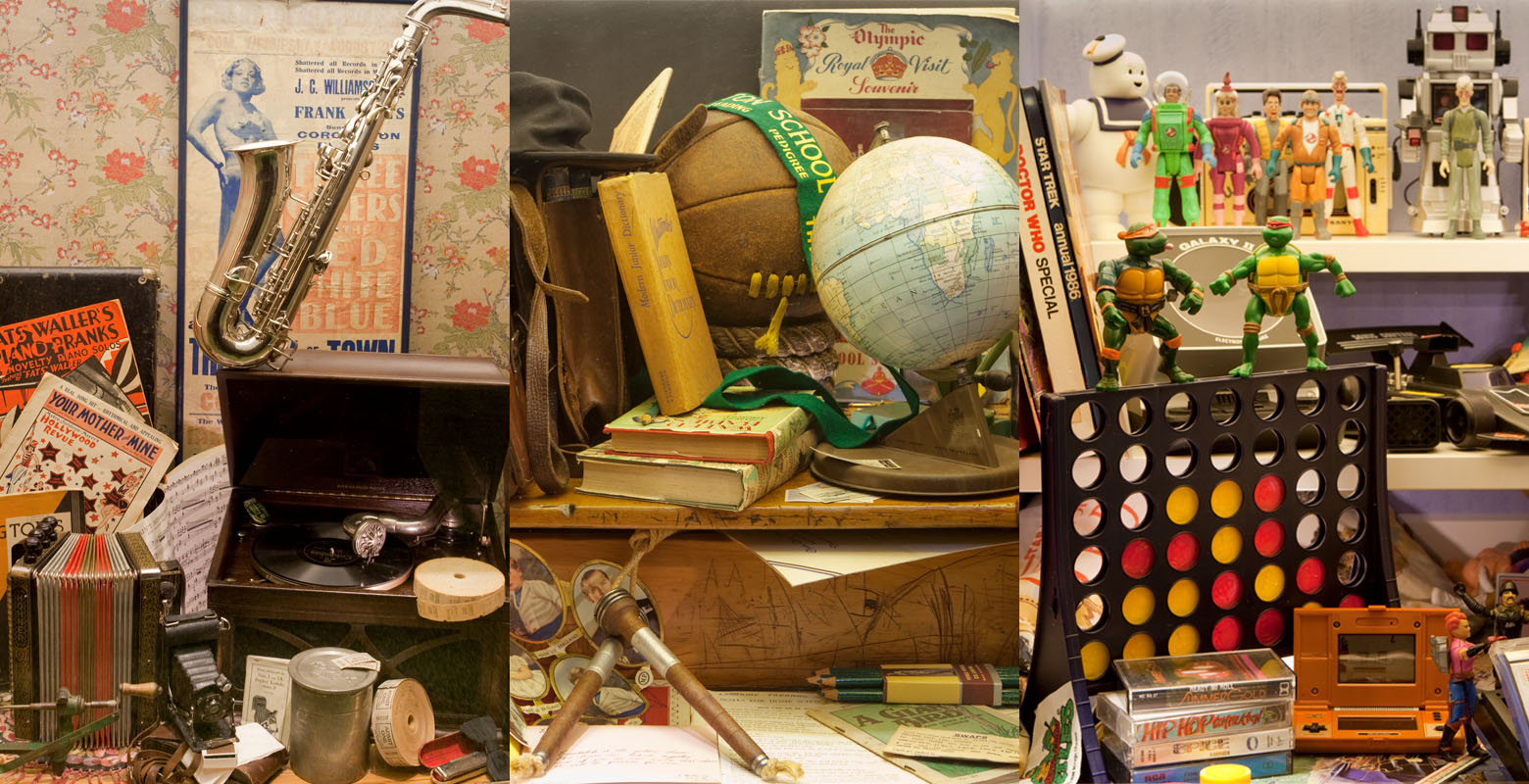
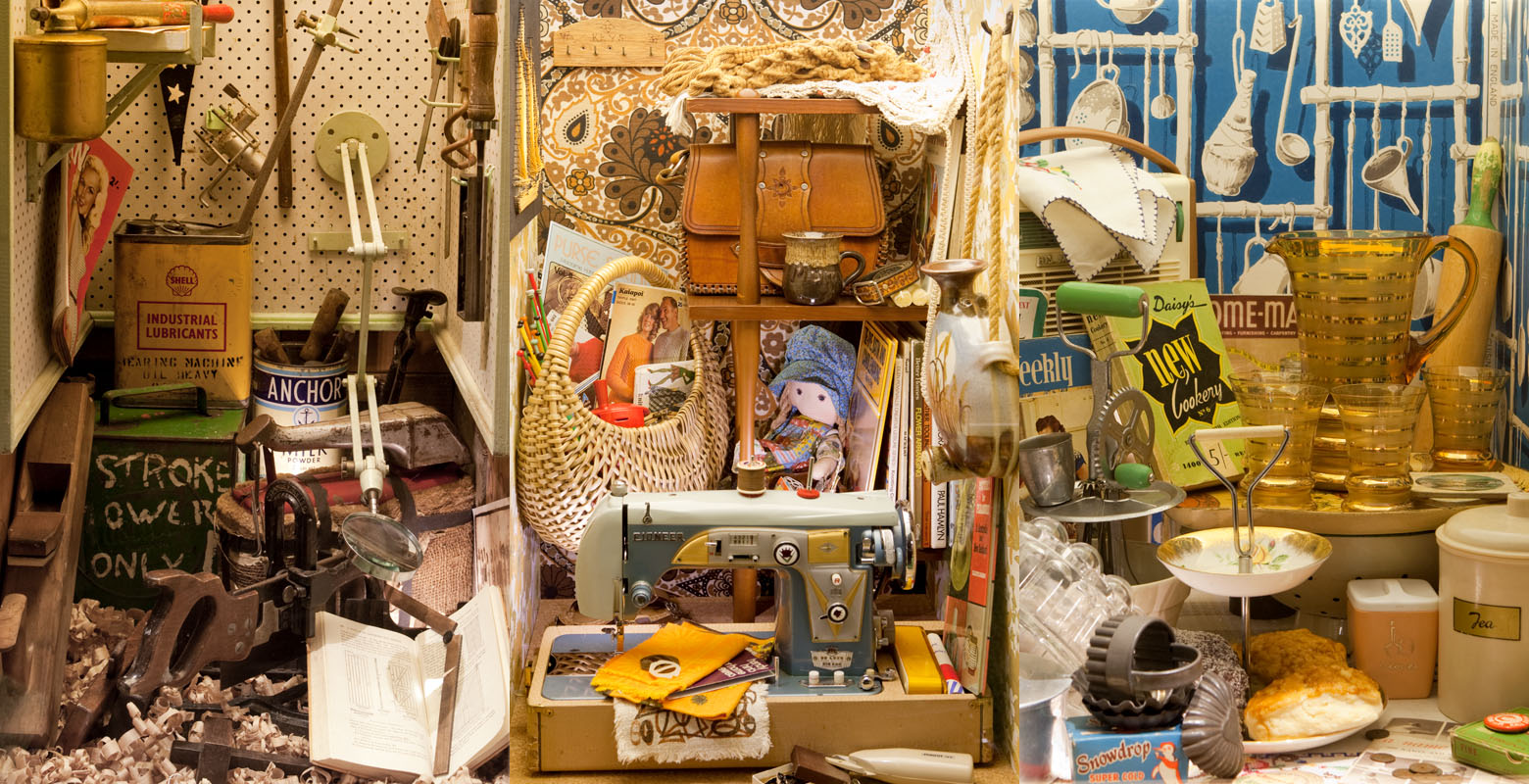
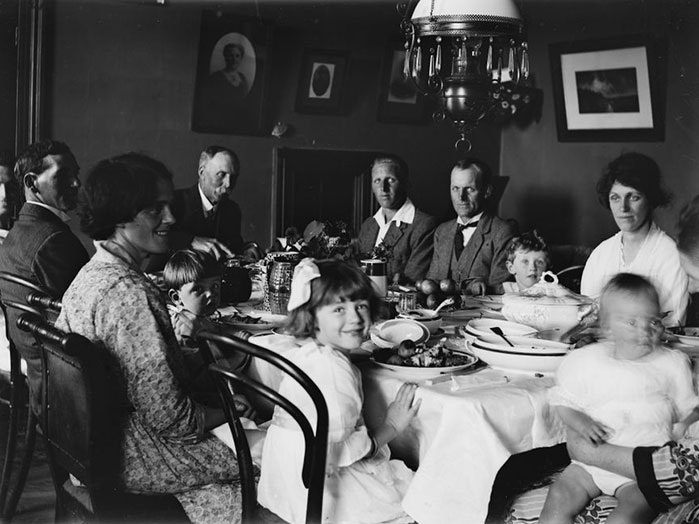
Slice of Heaven: 20th Century Aotearoa exhibition objects and images from Te Papa's collections
Discover moreKia kitea ake

Phar Lap
Phar Lap was a legendary racehorse and an adored animal hero for a generation of people in New Zealand. You can pay your respects to his bones here, in the country he was born.
Open
Permanent exhibition
Exhibition Ngā whakaaturanga

See the Britten Bike at Te Papa
See the record-breaking Britten V1000 motorbike, designed and built by Kiwi genius John Britten.
On now
Long-term display
Exhibition Ngā whakaaturanga
Sponsored by



Get our newsletter
Stay in the loop about our wide range of events and exhibitions.

Follow us
Follow our social media channels for a glimpse behind the scenes at Te Papa.

Join Friends of Te Papa
Friends enjoy benefits and discounts including invitations to previews and private viewings.