






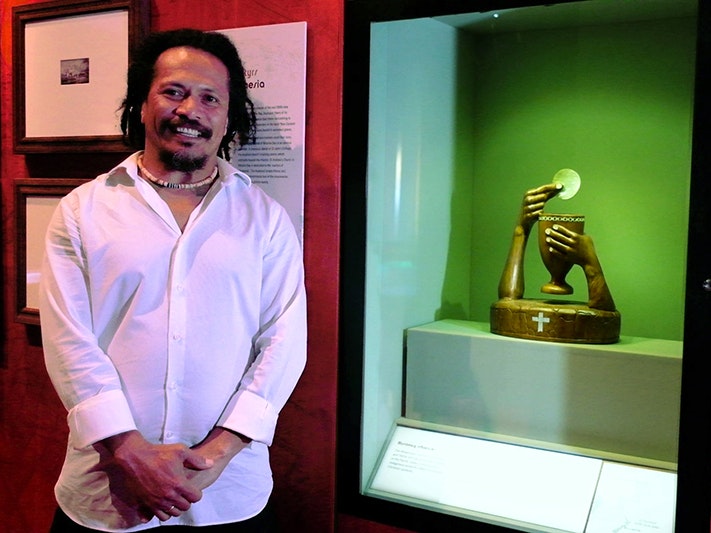
Watch: Selwyn Teho celebrates Solomon Aelans Langguis Wik 2025
Selwyn Teho, Vice President of the Wellington Solomon Island community in New Zealand, talks about what Solomon Aelan Pijin Langguis Wik means to him.
Free museum entry for New Zealanders and people living in New Zealand
Open every day 10am-6pm
(except Christmas Day)
Free museum entry for New Zealanders and people living in New Zealand
The Solomon Islands, an archipelago nation situated in the southwestern Pacific Ocean, is made up of over 900 islands with rainforests, coastal environments, and coral reefs.
The people of the Solomon Islands are primarily Melanesian and the official language is English, however, pidgin English is widely spoken. Browse our Solomon Island collection and writing and knowledge from community members.
Selwyn Teho, Vice President of the Wellington Solomon Island community in New Zealand, talks about what Solomon Aelan Pijin Langguis Wik means to him.
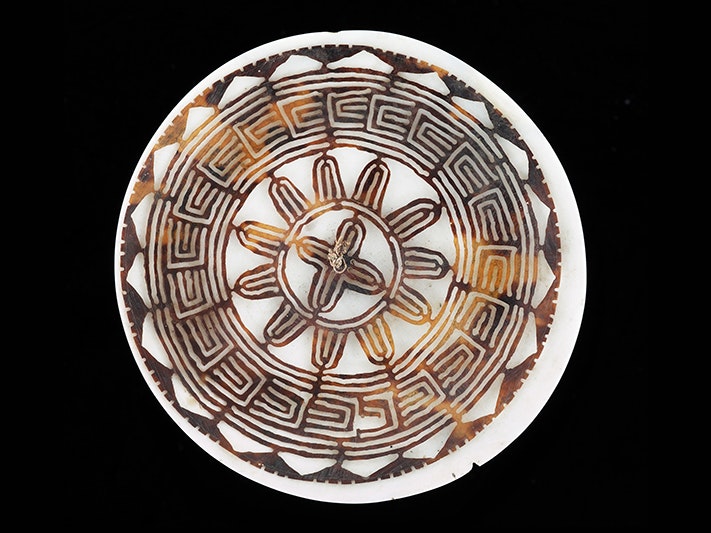
Kapkaps, as ornaments like this are called, are found in parts of Papua New Guinea and the Solomon Islands. These shell disks overlaid with delicate turtle shell filigree are much admired. Attached to a cord or woven band of fibre, they can be worn on the forehead, breast, or shoulder.
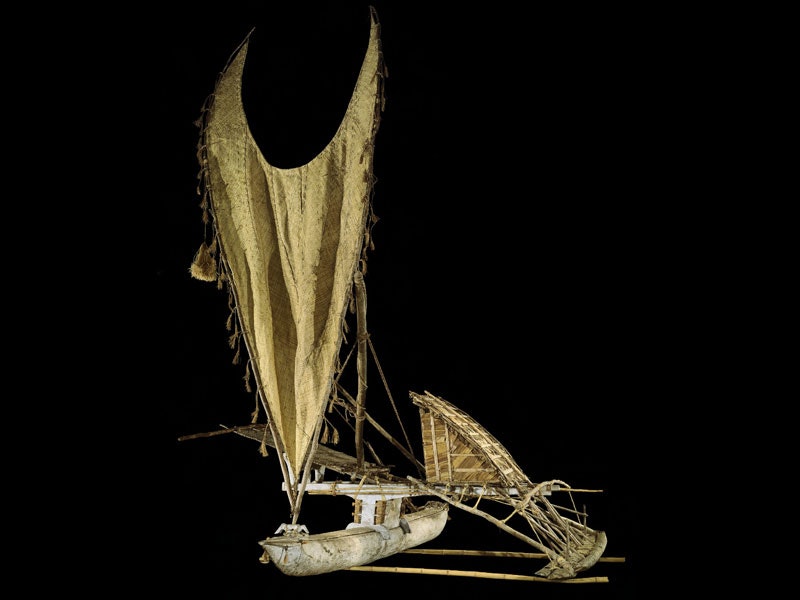
The tepuke is a type of sailing canoe that was once common in the Temotu province of the Solomon Islands. This tepuke is seven metres long, although a full-size tepuke can be up to twenty metres in length.
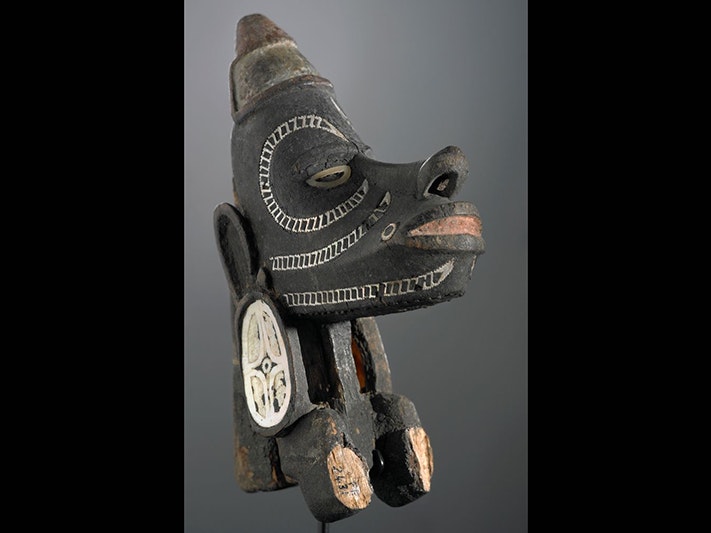
This is the story of Tiola, a banara (chief) in Solomon Islands mythology and the origin of the nguzunguzu, canoe prow figureheads used by the islands’ tribes.
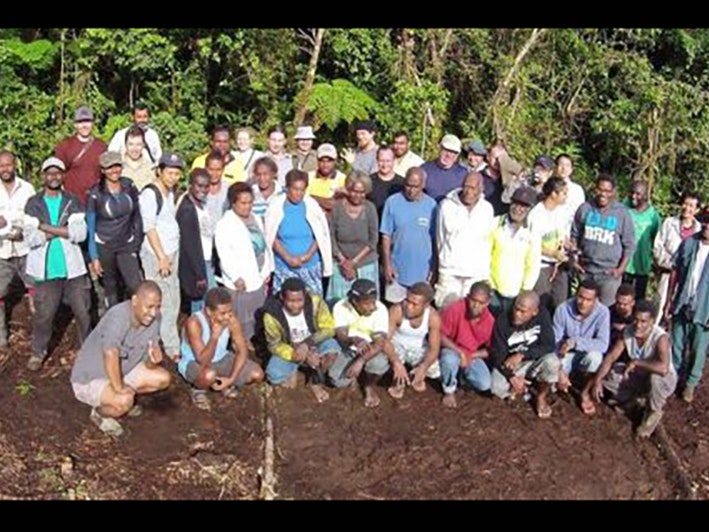
Botany Curator Leon Perrie was part of an expedition into the jungle in the centre of Guadalcanal island in the Solomon Islands to document the plants and animals present. Leon's job was to help with the ferns.
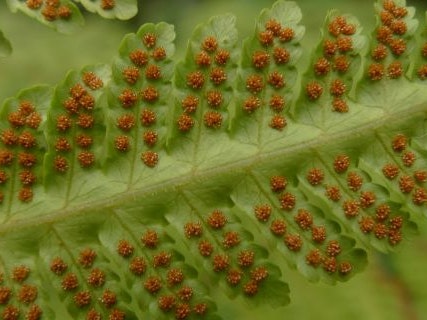
Botany Curator Leon Perrie describes his expedition to central Guadalcanal in the Solomon Islands to document the ferns and lycophytes.
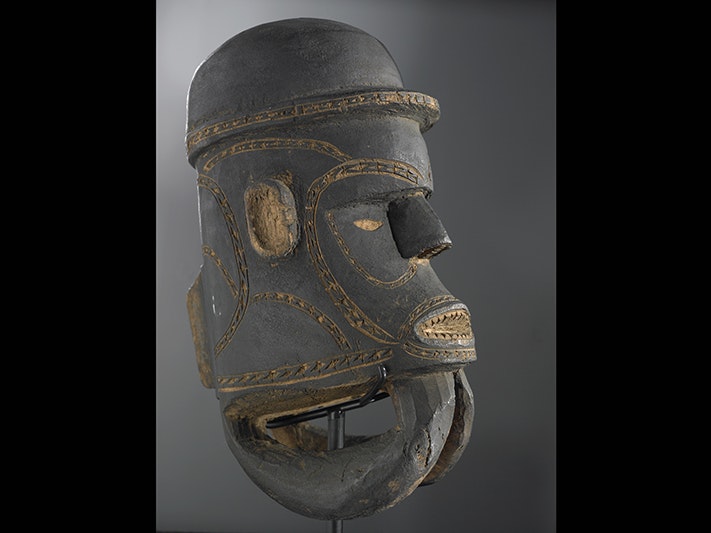
Collection Manager Pacific Cultures Grace Hutton introduces us to Nguzunguzu, the guardians of war canoes from the Solomon Islands.
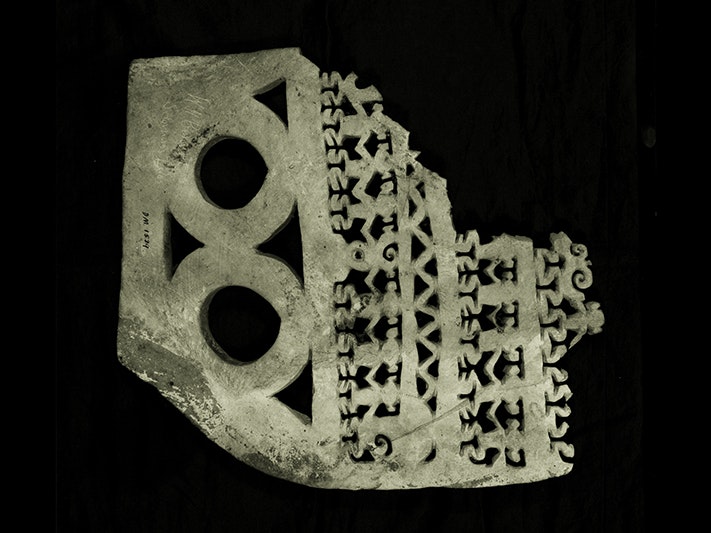
Following fieldwork in the Solomon Islands and the tracing of residual traditional knowledge in Ranongga Island, a large fretworked Tridacna shell plaque, known as a ‘barava’ can now be reinterpreted as originally a land title deed.
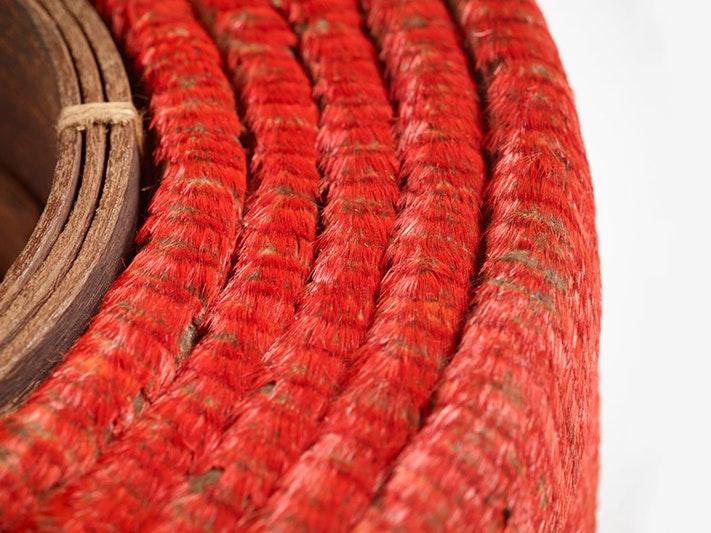
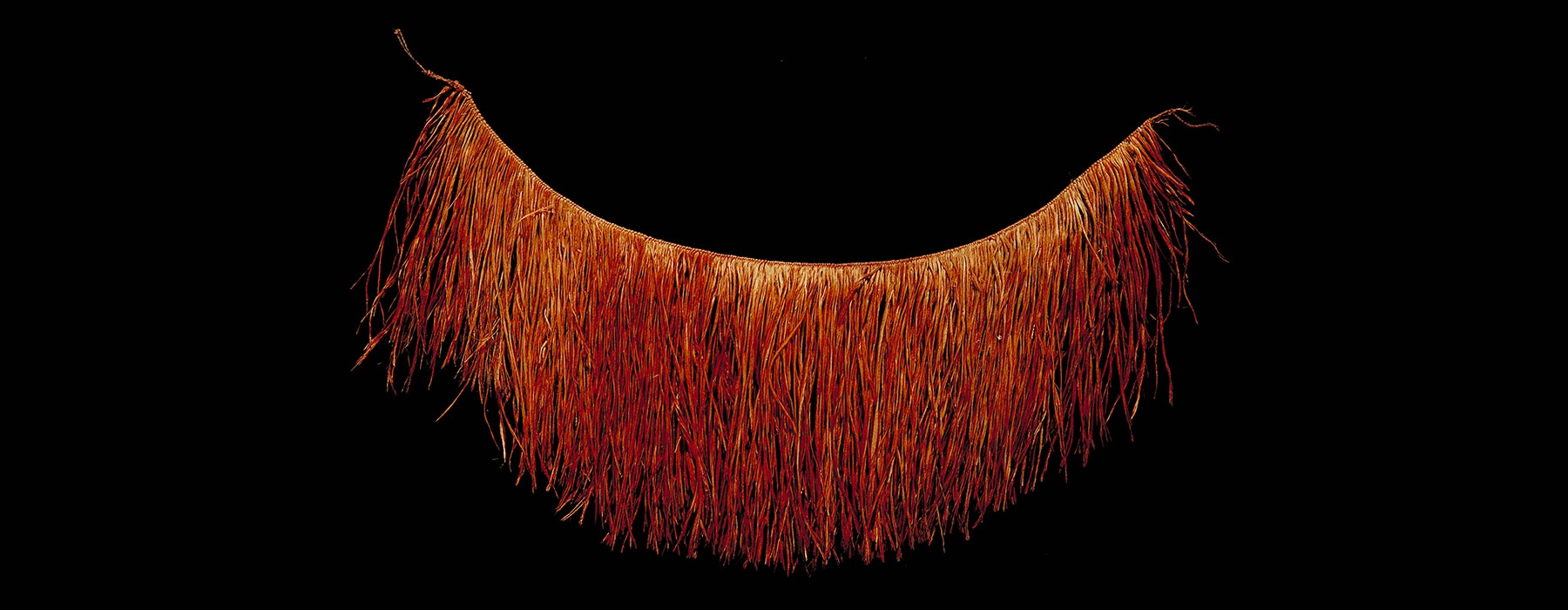
This is a tevau, a coil of highly prized red feathers from the Santa Cruz Islands in the Temotu Province of the Solomon Islands. In this region, tevau was a kind of currency often exchanged for services and goods such as canoes, root crops, turtles and pigs.
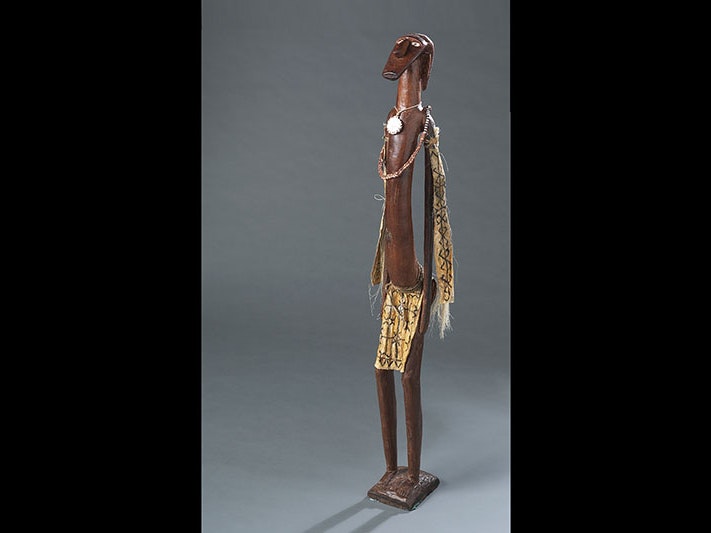
‘Menepo’, a traditional free-standing wooden statue from Santa Cruz in the eastern Solomon Islands.
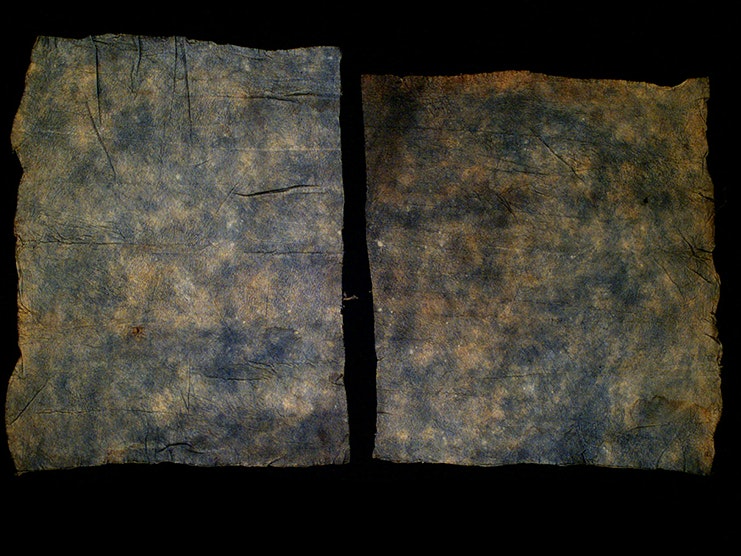
The very diverse island cultural groups that make up the Solomon Islands create different kinds of tapa, for different uses. Read about how tapa are made and used in the Solomon Islands.
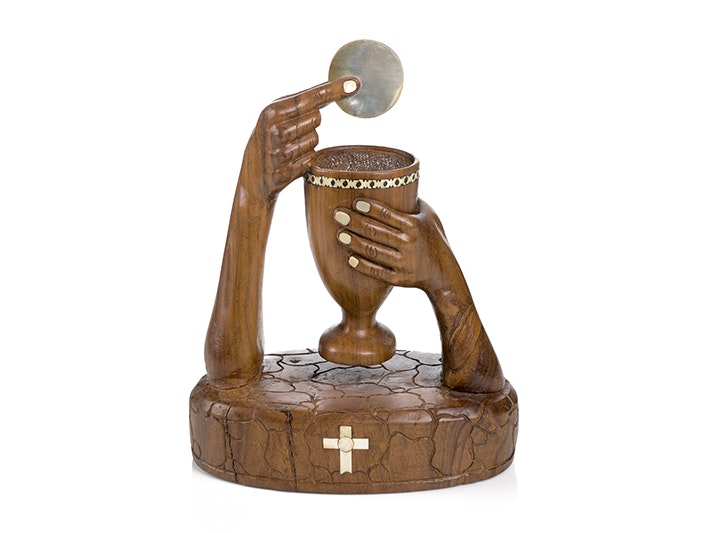
This sculpture ‘The Great Elevation’ is an example of the integration of an indigenous Solomon Islands wood carving style with Christian symbols and motifs.

A small whale’s tooth from the Solomon Islands was found to have four very small holes drilled obliquely midway between its ends. This paper talks about the possible reasons for these holes and how the hypothesis was tested.
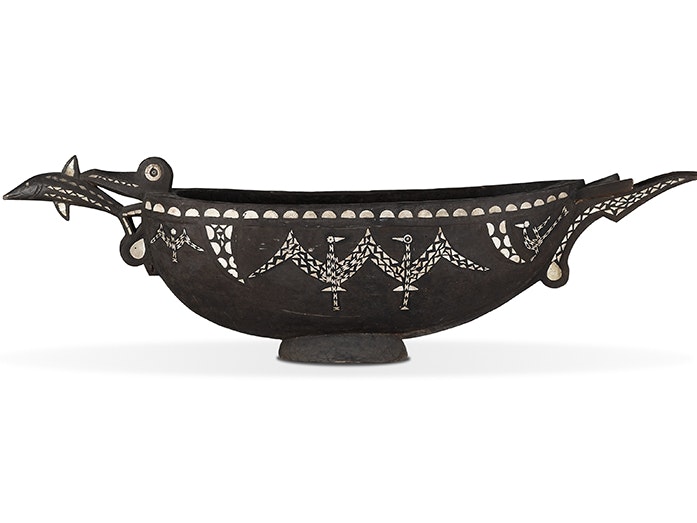
The shell inlay decoration of this wooden bowl suggests that it was probably made in the islands of the Southeast Solomons, a region that includes Ulawa and San Cristobal and the small islands in between.
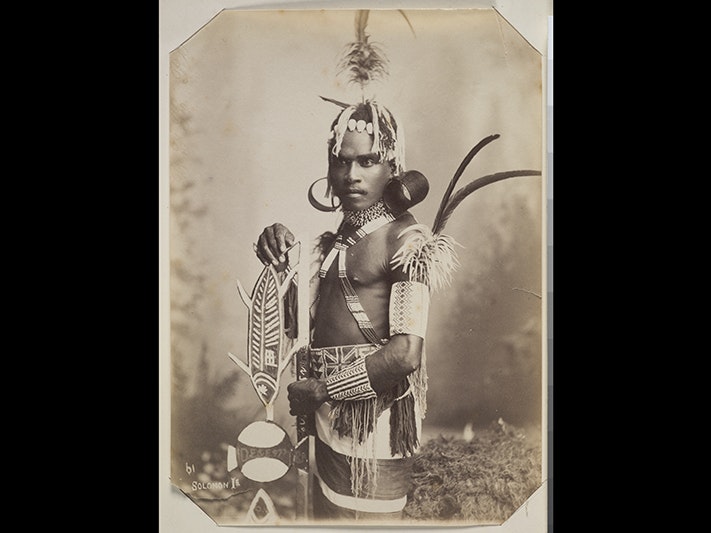
A studio portrait of a young man from the Solomon Islands.
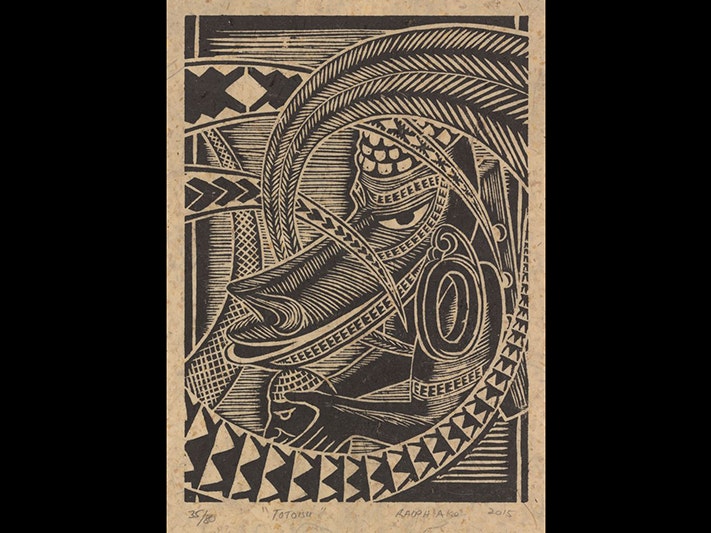
This print was made by Ralph Ako, a printmaker and carver from Bareho Islands, Marovo, West Province, Solomon Islands. The print depicts a Toto Isu or Nguzunguzu, an anthropomorphic figurehead originally lashed to the bow of the canoe.
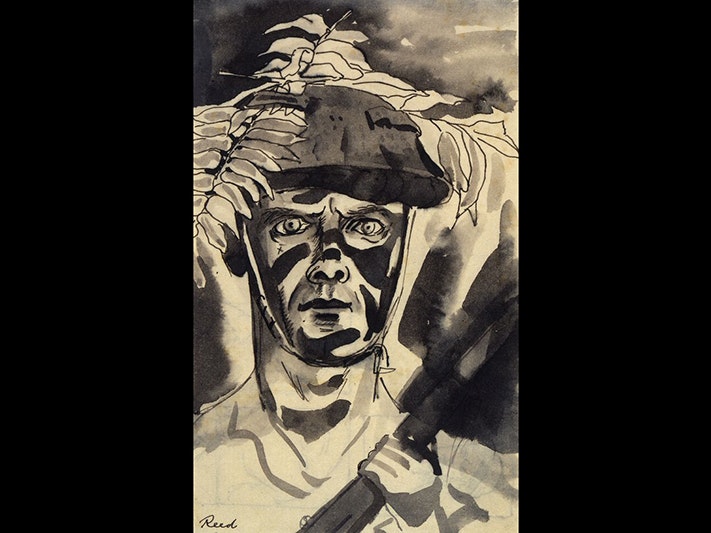
Sniper, Solomon Islands was based on sketches William James Reed made in 1946-4.
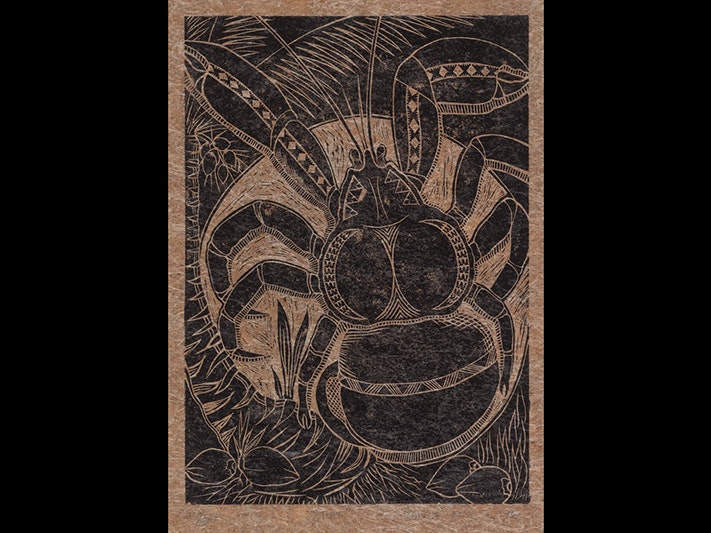
This print was made by Ralph Ako a printmaker and carver from Bareho Islands, Marovo, West Province, Solomon Islands. The print features a large kakarita (mudcrab).
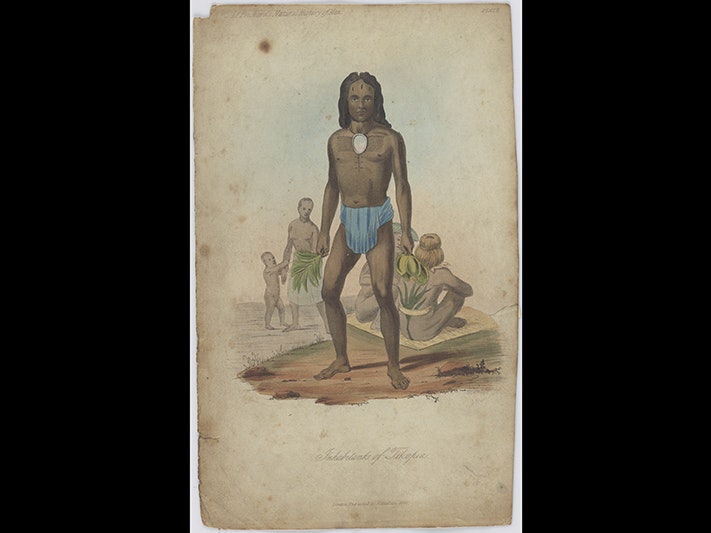
Inhabitants of Tikopia. From: The Natural History of Man by James Cowles Prichard
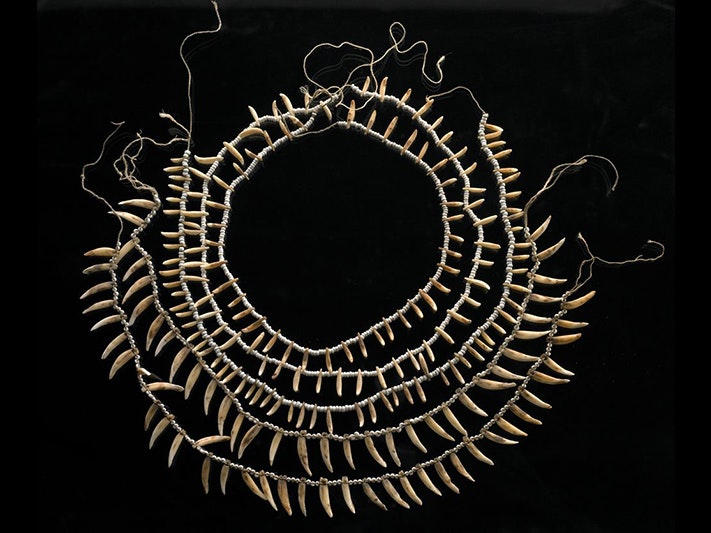
To support the development of our exhibition ‘Whales –Tohorā’, this review surveys material published in English on the practices, knowledge and beliefs of South Pacific people in relation to whales, dolphins and porpoises.
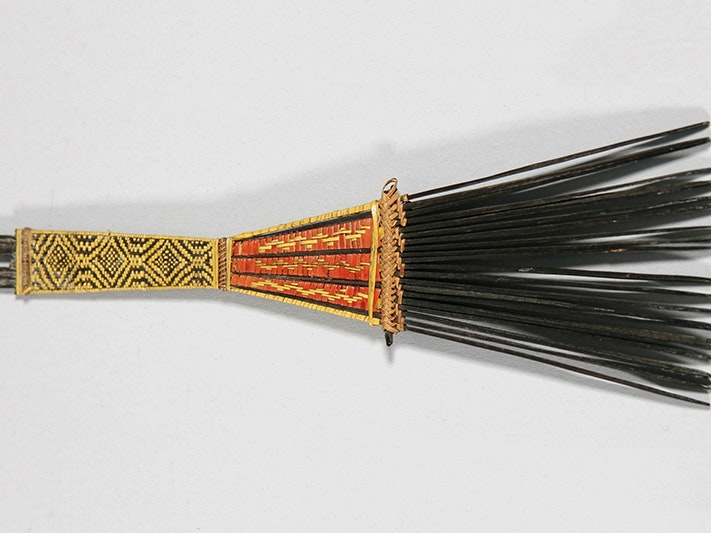
Find out about Solomon Island art, tools, clothing, currency, and life held in our collections.