





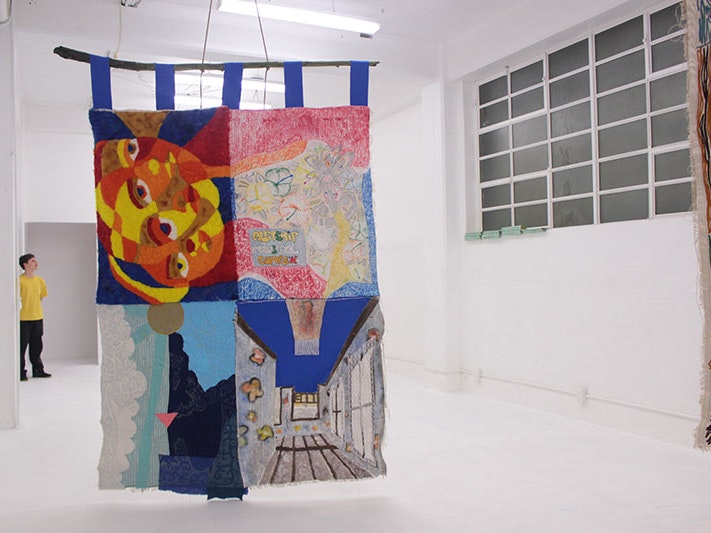
A handshake, a quilt, the living
Artist Owen Connors and art curator Simon Gennard discuss the influential role that the New Zealand AIDS Memorial Quilt has played in their work as a marking point in a trajectory of queer history.
Free museum entry for New Zealanders and people living in New Zealand
Open every day 10am-6pm
(except Christmas Day)
Free museum entry for New Zealanders and people living in New Zealand
In the original 8 colours of the Gilbert Barker rainbow flag, orange symbolises healing, to acknowledge the journey of overcoming past struggles.
Rainbow bodies and minds interact uniquely with health and wellbeing due to historically embedded social and institutional challenges. Explore taonga in Te Papa collections related to the health and wellbeing of rainbow communties.
Artist Owen Connors and art curator Simon Gennard discuss the influential role that the New Zealand AIDS Memorial Quilt has played in their work as a marking point in a trajectory of queer history.
In 1987/88 Fiona Clark created two albums of intimate photographs of four New Zealanders who had been diagnosed with HIV. While Fiona visually documented their days, the subjects in turn contributed their own words and thoughts to the album. Michael Stevens has a copy of the albums on his book shelf. In this essay, he reflects on living with HIV then and now.
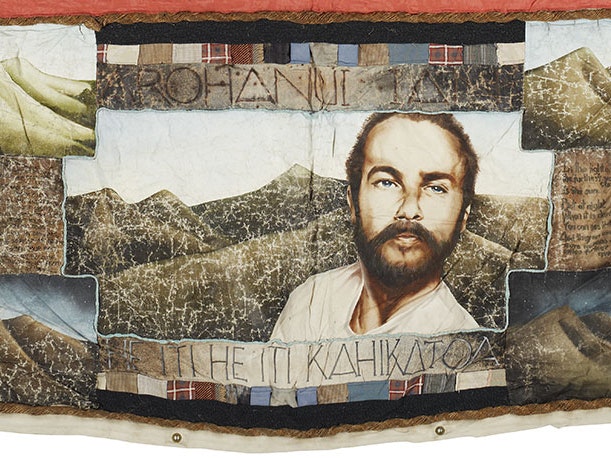
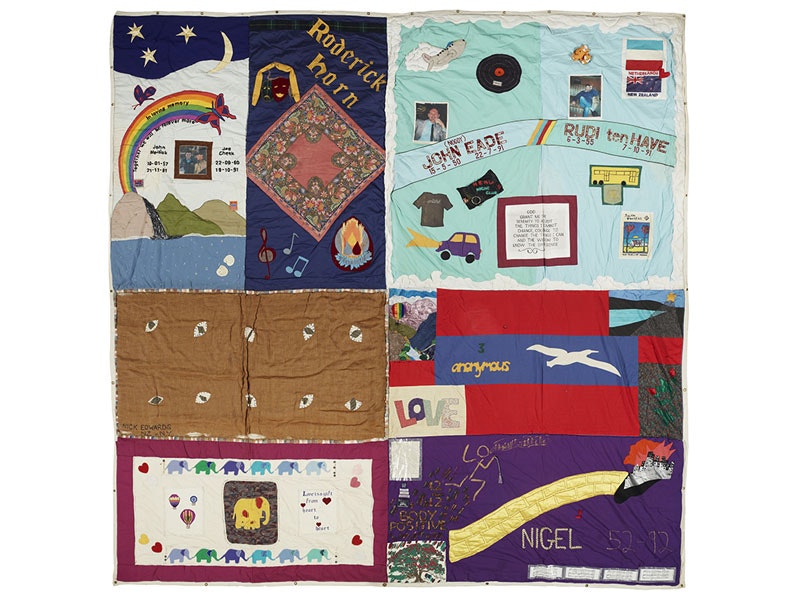
Te Papa is kaitiaki of the New Zealand AIDS Memorial Quilt. This panel was made by Welby Ings for Ian Williams. In the late 1990s, Welby wrote this reflection on their relationship and the creation of the panel.
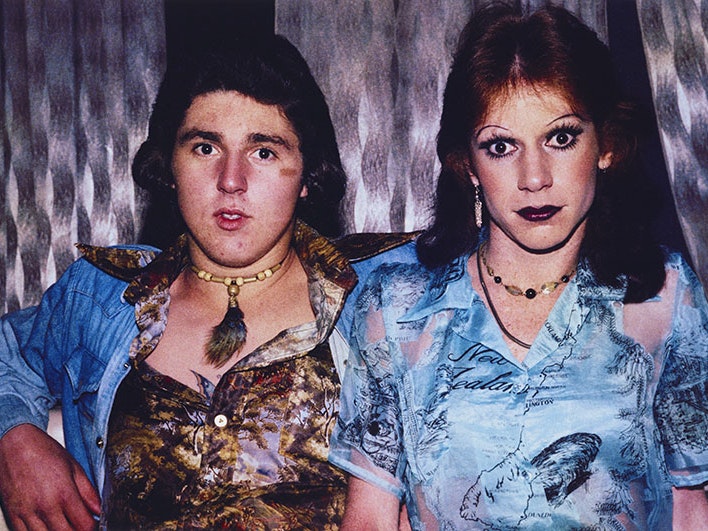
Fiona Clark is one of New Zealand’s most celebrated art photographers. In this essay, she recalls her time as an art student in Auckland in the early 1970s, when she began to take photographs of the people and the night life around her.
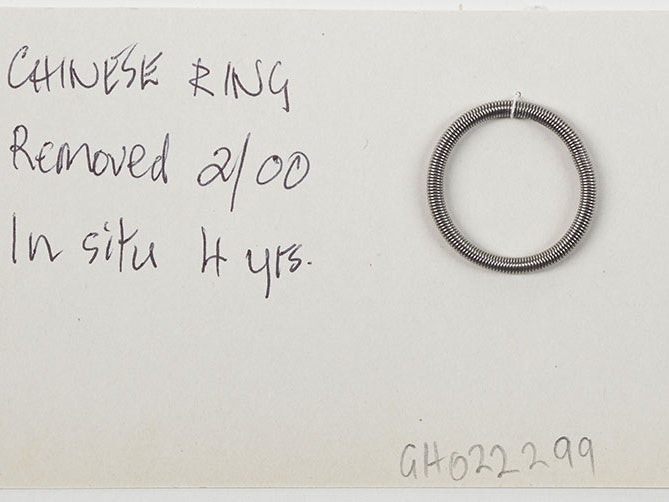
“I don’t know why I’m drawn to this object so much, but a silver ring fished out of your womb feels romantic.”
Vanessa Mei Crofskey offers personal reflections inspired by a Chinese intrauterine device (IUD) in Te Papa’s History Collection.
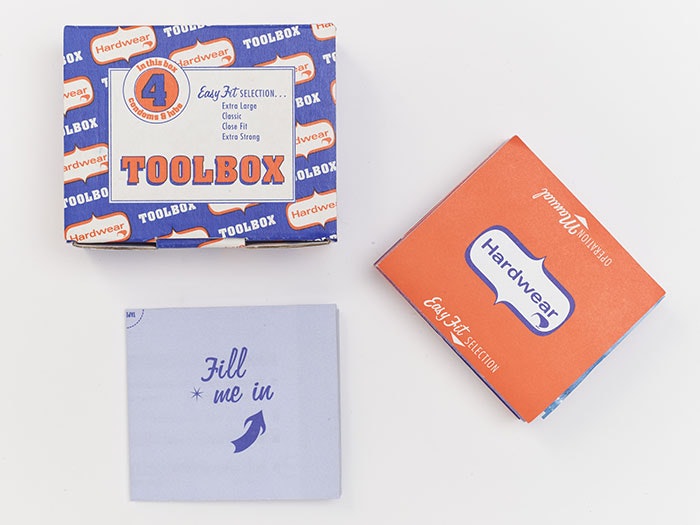
The ‘Toolbox’ was a successful safe sex campaign in 1997 aimed primarily at gay and bisexual men. The box includes a range of condoms, lubricants and techniques to help make sex better and safer, including getting the right fit.
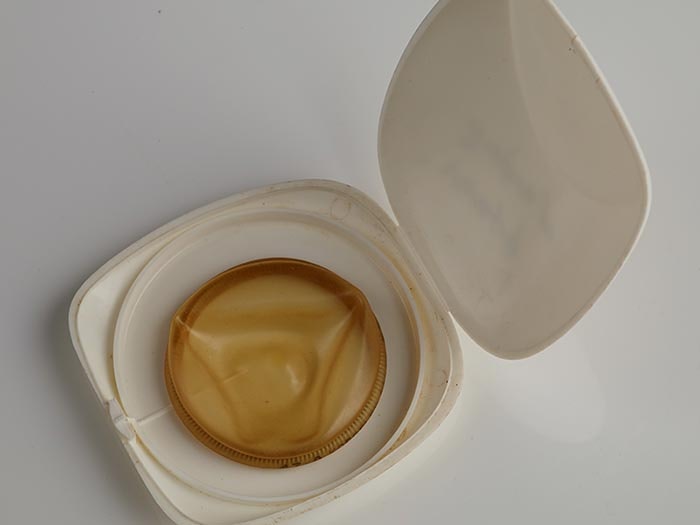
Te Papa holds a significant collection of contraceptive devices gifted by Dame Margaret Sparrow, one of New Zealand’s leading sexual-health doctors and birth-control advocates. These objects can be considered part of 'hidden history', particularly women's history. Such objects rarely survive, but have a huge impact on society, fertility, sexuality, and gender relations.
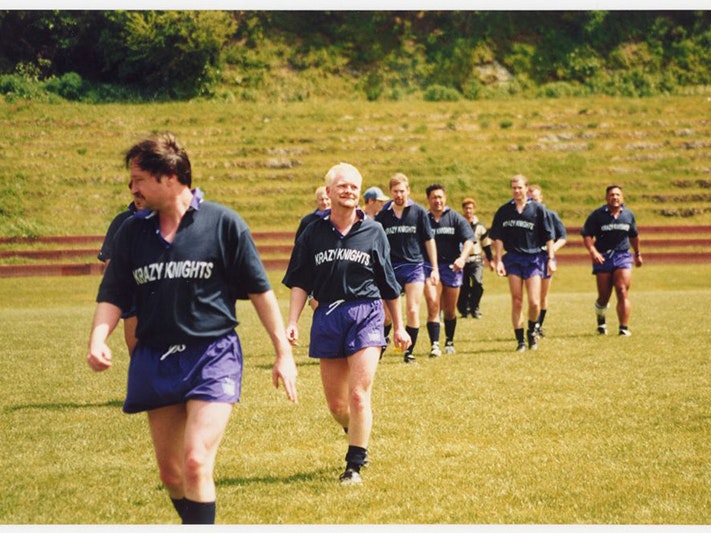
Historian Scott Pilkington explores the relationships between masculinity, mental health, and Queer participation in sport through taonga in Te Papa collections.
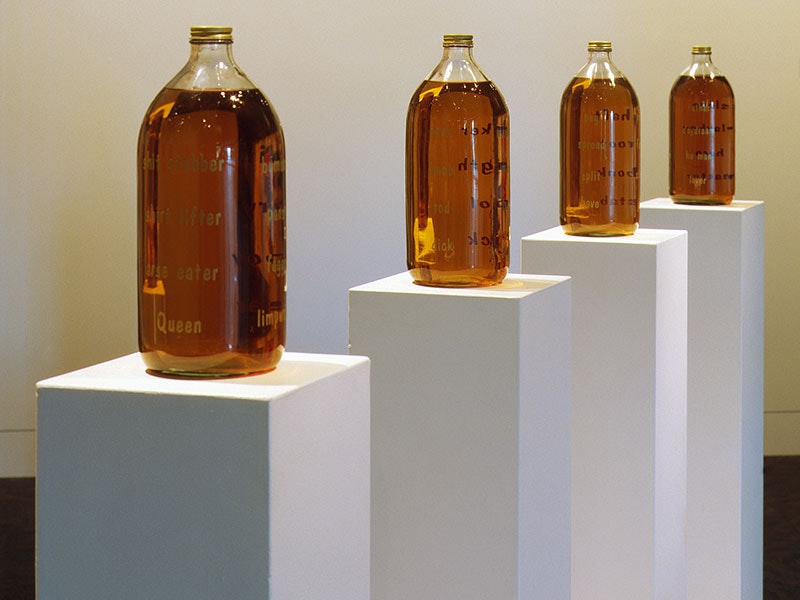
Jeremiah Boniface explores the work of Grant Lingard, whose practice in the early 1990s focused on addressing issues of sexuality and concepts of masculinity.
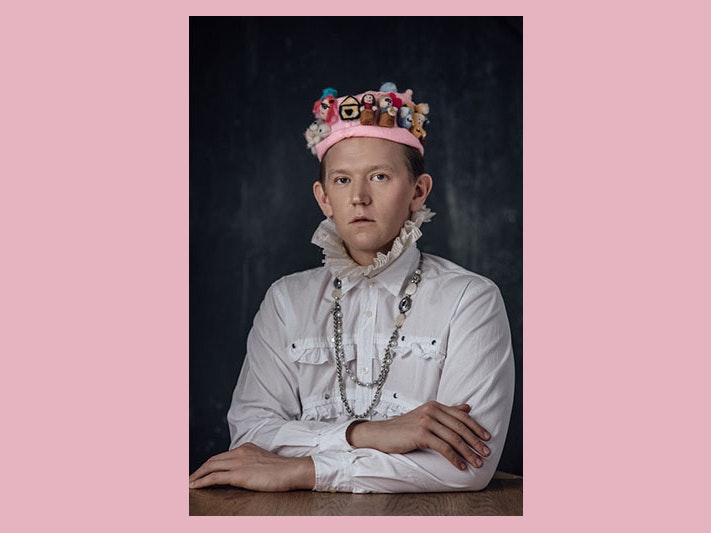
This digital portrait of Chris Parker shows the popular New Zealand comedian wearing the results of his creative response to the Covid-19 pandemic lockdown.
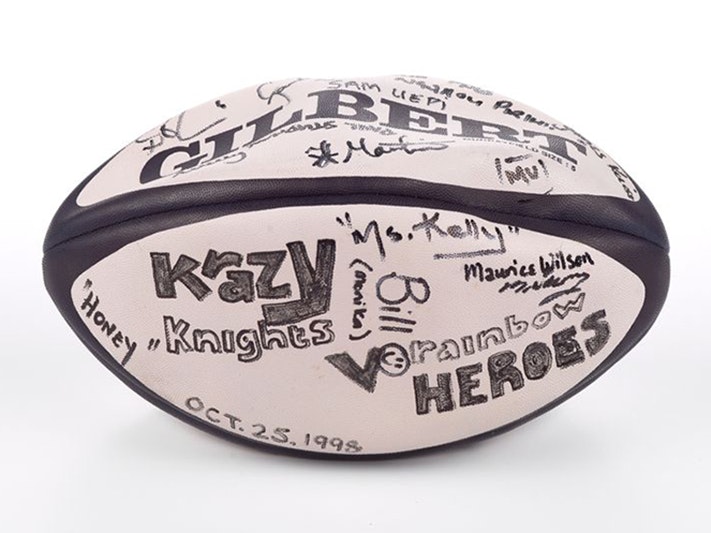
Queer people in Aotearoa have always been part of everyday life – working, socializing, raising families, and taking part in the same pastimes as everyone else. Scott Pilkington explores how sport is one of those shared spaces through items in the Te Papa collection.