





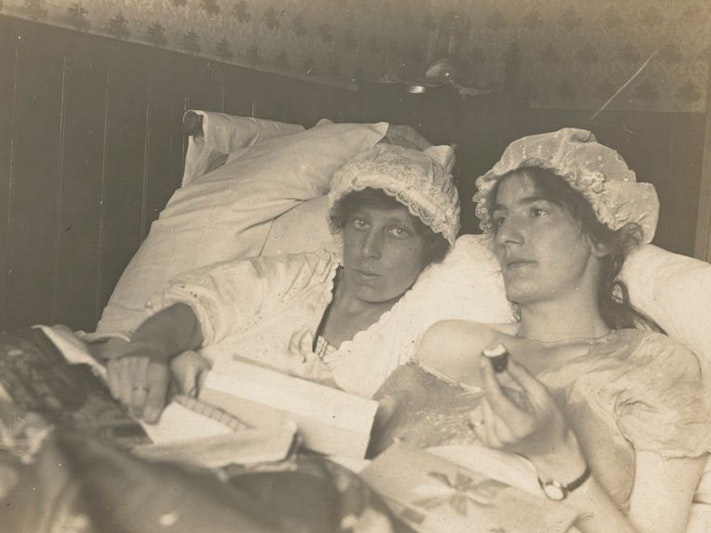
Self Portrait with Friend
Poet Dani Yourukova responds to Daisy Tinney's photography in Te Papa collections.
Free museum entry for New Zealanders and people living in New Zealand
Open every day 10am-6pm
(except Christmas Day)
Free museum entry for New Zealanders and people living in New Zealand
Through art, LGBTQI+ communities make the invisible visible. LGBTQI+ artists share their histories, experiences and stories through visual mediums of painting, photography and digital illustration.
Poet Dani Yourukova responds to Daisy Tinney's photography in Te Papa collections.
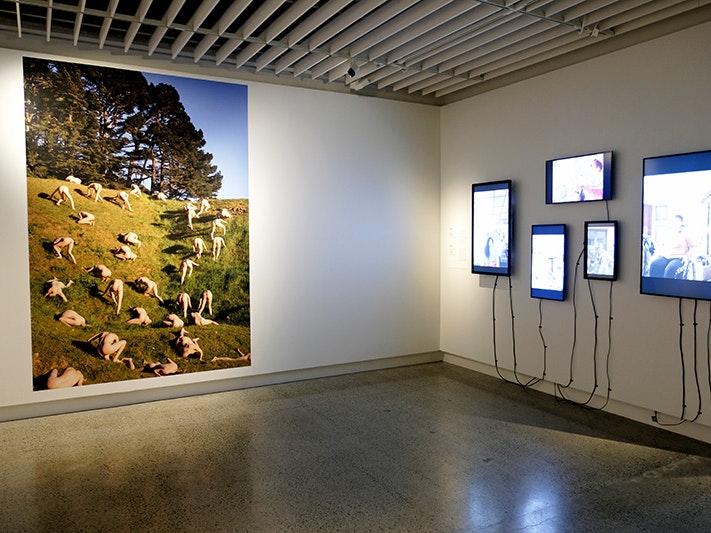
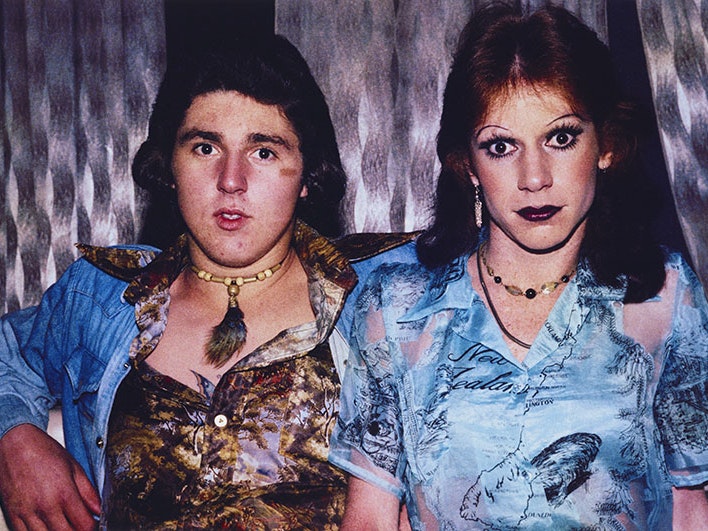
Fiona Clark is one of New Zealand’s most celebrated art photographers. In this essay, she recalls her time as an art student in Auckland in the early 1970s, when she began to take photographs of the people and the night life around her.
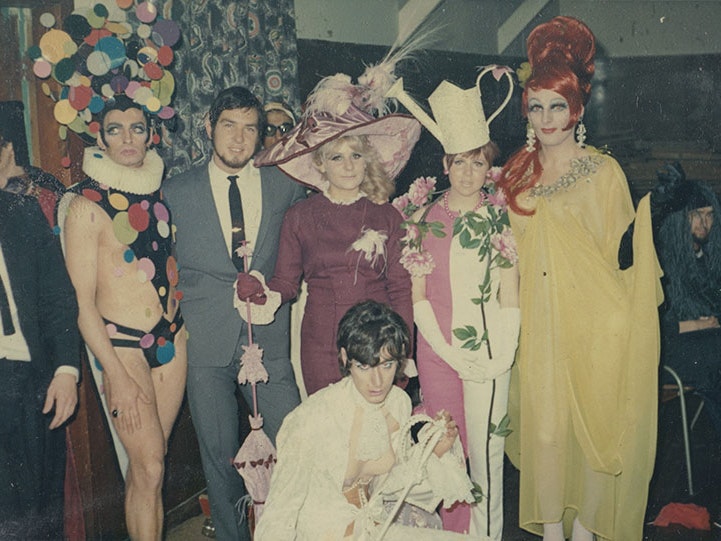
Drag performer Johnny Croskery’s album from the 1960s includes photographs taken at the Dorian Society’s annual fancy dress balls in the 1960s. In this excerpt from ‘Mates & Lovers’, Chris Brickell explores the origins of the Dorian Society.
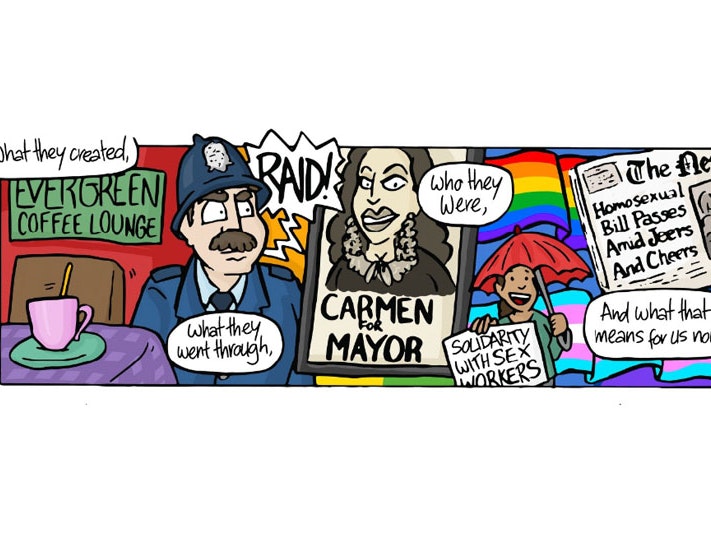
This comic was created by queer trans illustrator, comic creator, and designer Sam Orchard after seeing the exhibition Poutokomanawa: The Carmen Rupe Generation at the New Zealand Portrait Gallery, Wellington, in 2019.
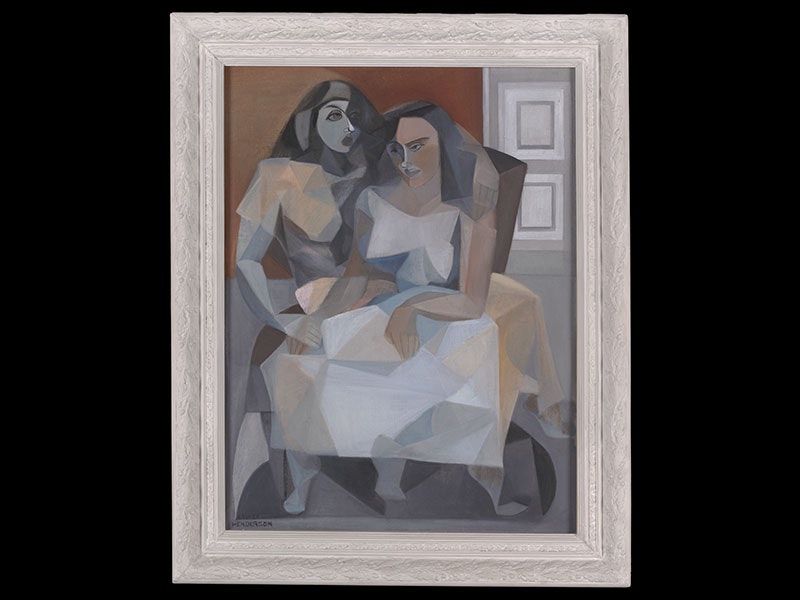
Two female lovers are intimately entwined in a series of delicate interlocking planes. The work is remarkable not only for its stylistic innovations but also for the fact it depicts a lesbian couple — a daring choice for prim and proper 1950s New Zealand.
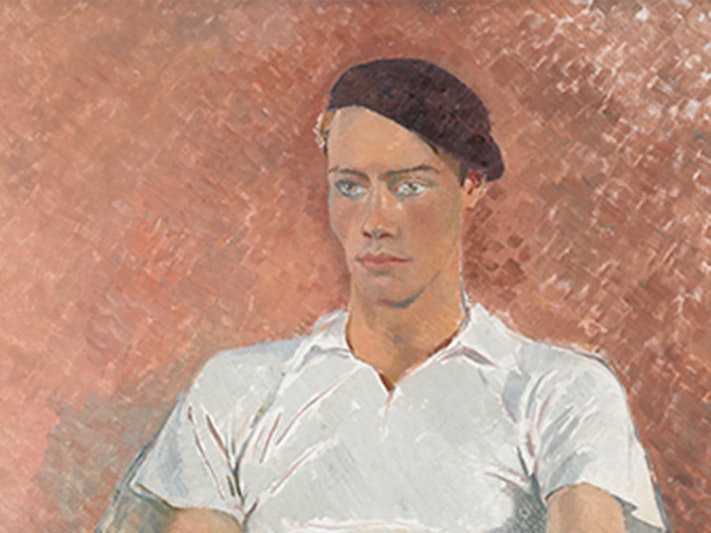
The subject of Man in white is Philpot’s friend Jan Erland. This is one of a group of portraits that he painted of Erland, all on the theme of sports and leisure. Writing to his sister Daisy, Philpot described ‘every moment with this dear Jan’ as filled with ‘inspiration and beauty’.
Glyn Philpot was gay, and lived at a time when homosexuality was a criminal offence. He was never explicit about his sexuality, but in the 1930s he painted numerous works like this one – loving portraits of men in his life.
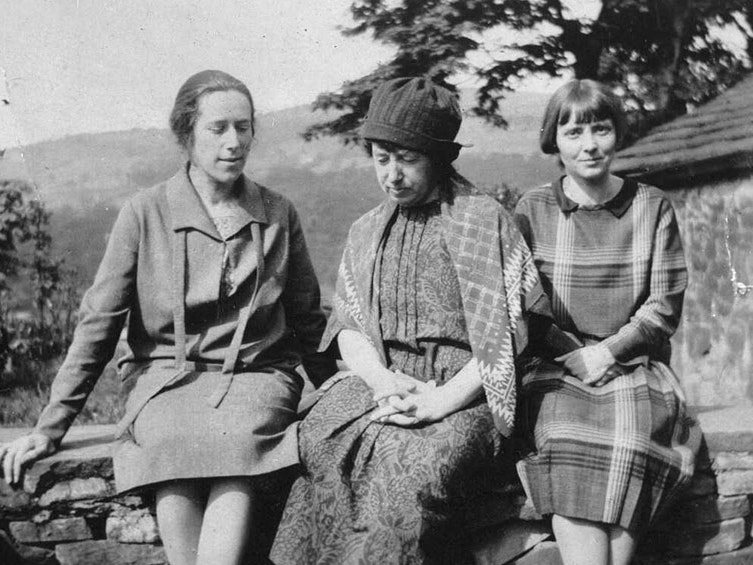
Art historian Joanne Drayton explores the unconventional life of painter Frances Hodgkins, arguing that absence of evidence is not always evidence of absence.
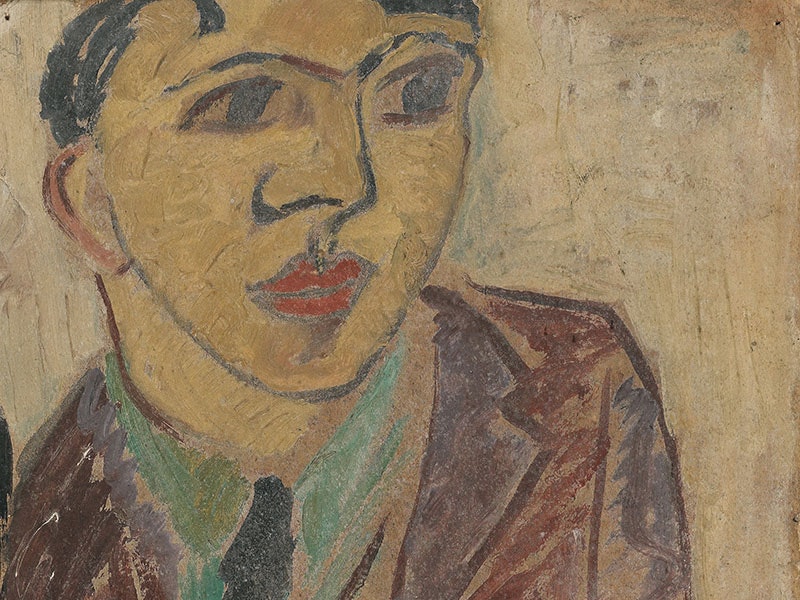
This portrait of Rodney Kennedy was painted by Toss Woollaston in 1936. The two men met at art school in Dunedin, and became lovers in 1932. After Toss’ marriage in 1936, they remained life-long friends. Chris Brickell tells their story.
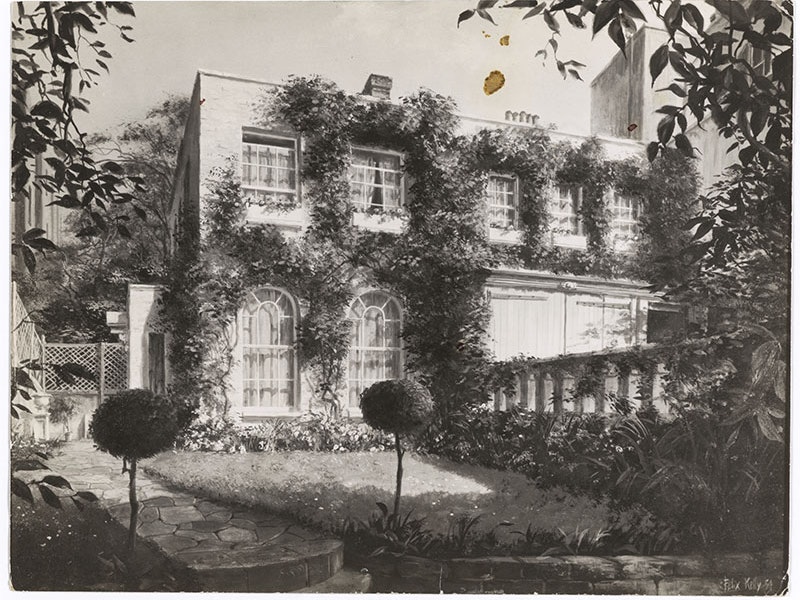
Art historian David Maskill explores the surrealist vision of painter Felix Kelly.
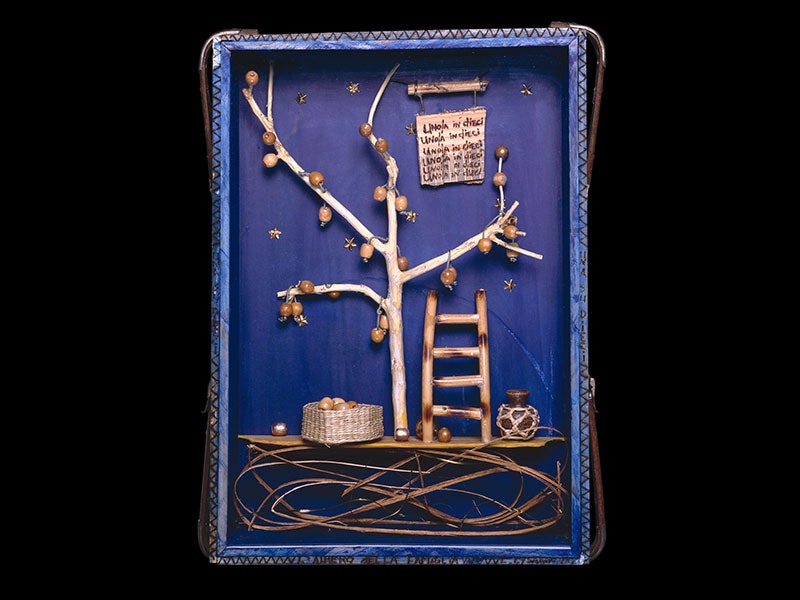
Lauren Lysaght’s mixed media work Hidden Agender is inspired by the life of Eugenia Falleni (about 1875–1938), a woman who presented herself as man in the late 19th and early 20th centuries, and whose life was placed under the microscope in 1920 when she was charged with murder and ‘sex fraud’.
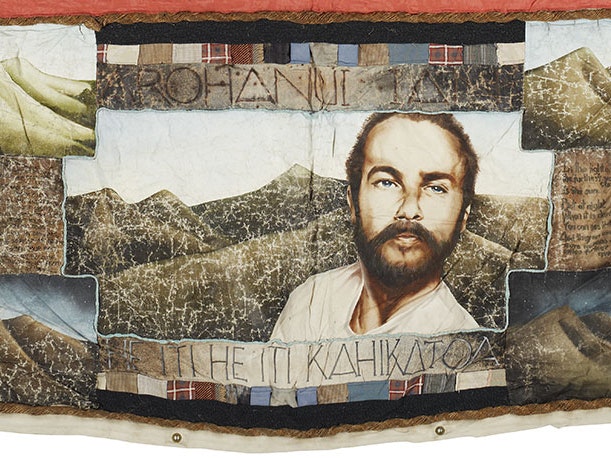
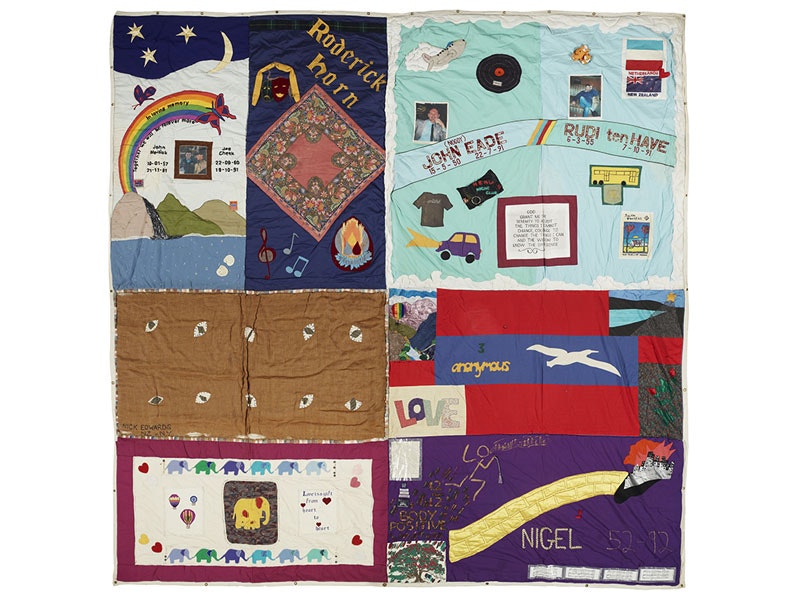
Te Papa is kaitiaki of the New Zealand AIDS Memorial Quilt. This panel was made by Welby Ings for Ian Williams. In the late 1990s, Welby wrote this reflection on their relationship and the creation of the panel.
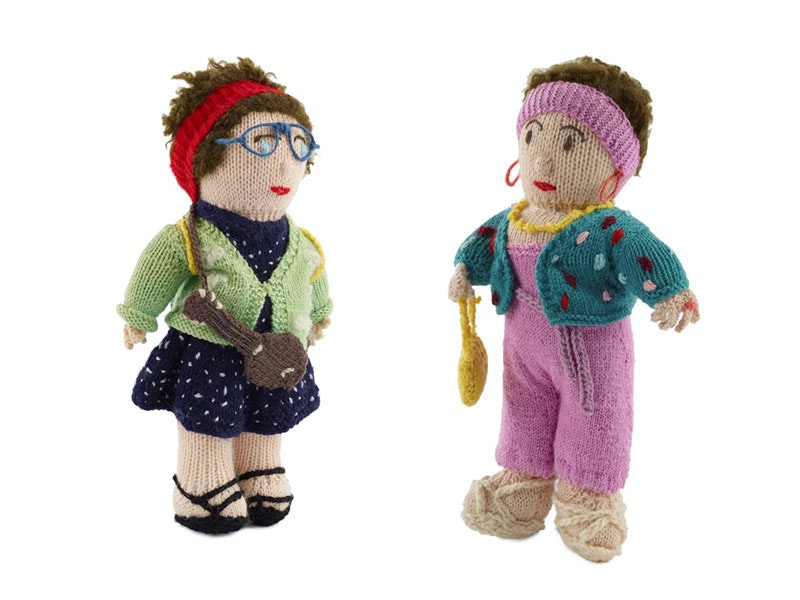
These miniature works of knitted art hail from Invercargill, and might just be the ultimate Kiwiana tribute to two of New Zealand’s most popular characters – Camp Mother and Camp Leader, the creations of Lynda and Jools Topp – the Topp Twins.
In 1987/88 Fiona Clark created two albums of intimate photographs of four New Zealanders who had been diagnosed with HIV. While Fiona visually documented their days, the subjects in turn contributed their own words and thoughts to the album. Michael Stevens has a copy of the albums on his book shelf. In this essay, he reflects on living with HIV then and now.
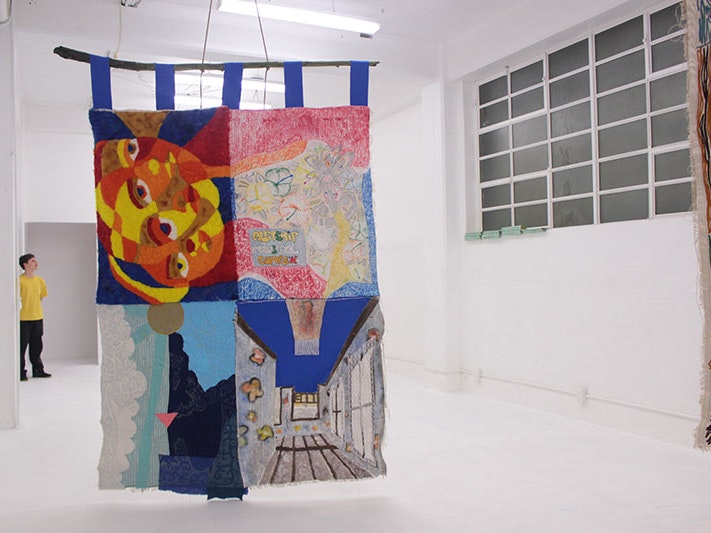
Artist Owen Connors and art curator Simon Gennard discuss the influential role that the New Zealand AIDS Memorial Quilt has played in their work as a marking point in a trajectory of queer history.