







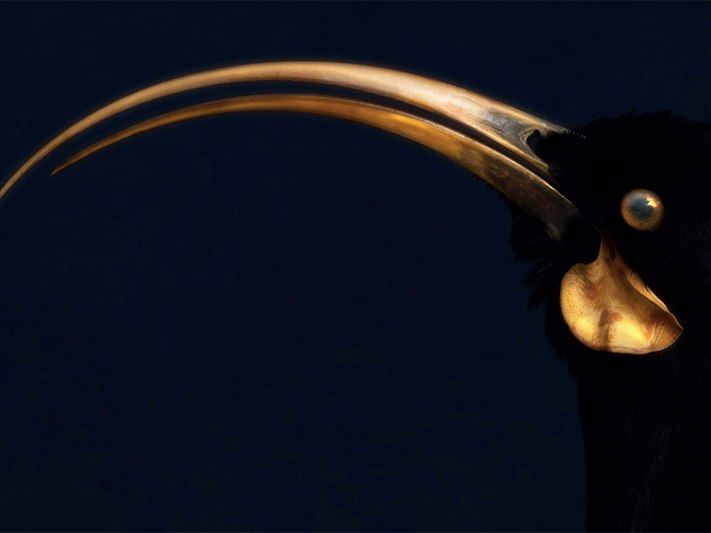
Meet the manu in Taharaki Skyside
Learn more about the native manu behind Fiona Pardington’s Taharaki Skyside. Each is unique, culturally and environmentally important, and many need our protection.
Free museum entry for New Zealanders and people living in New Zealand
Open every day 10am-6pm
(except Christmas Day)
Free museum entry for New Zealanders and people living in New Zealand
Photo by Imogen Warren, CC BY-SA 4.0, via Wikimedia Commons
Matuku-hūrepo call (Source: Department of Conservation CC BY 4.0)
Among the tall plants in wetlands, swamps and the at the edge of lakes.
Threatened – Nationally Critical
Vulnerable to habitat loss, introduced predators, poor water quality, reduced food availability.
Matuku-hūrepo are great at hiding, but when they do get spotted they point their beak to the sky and freeze, expertly blending into the reeds. This technique does not, however, work so well when they try it out in the open!
As well as fish, mollusc, insects, and worms, matuku-hūrepo are great tuna hunters! They hunt by sweeping their bill side to side in the water, drawing in prey.
Matuku roughly translates from te reo Maori to ‘heron of the swamp’.
The male matuku has a loud booming cry to ward off other males in the breeding season. It was thought the matuku boomed from loneliness and sorrow, and that hearing its call could help people express grief. A lament sung by a grieving person describes the singer as a matuku:
Kei te matuku, e hū ana i te repo, i!
A bittern booming in the marsh!
Learn more about the native manu behind Fiona Pardington’s Taharaki Skyside. Each is unique, culturally and environmentally important, and many need our protection.
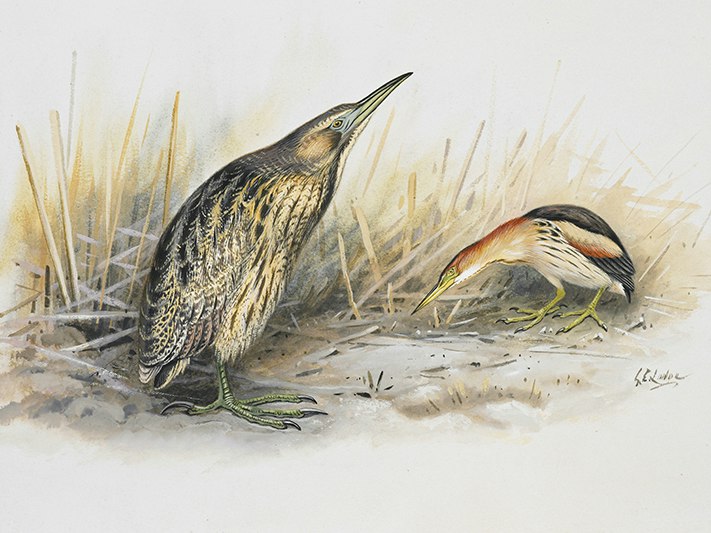
Find illustrations, collected birds, eggs, art, and kahu huruhuru (feather cloaks) from the matuku-hūrepo on Collections Online.
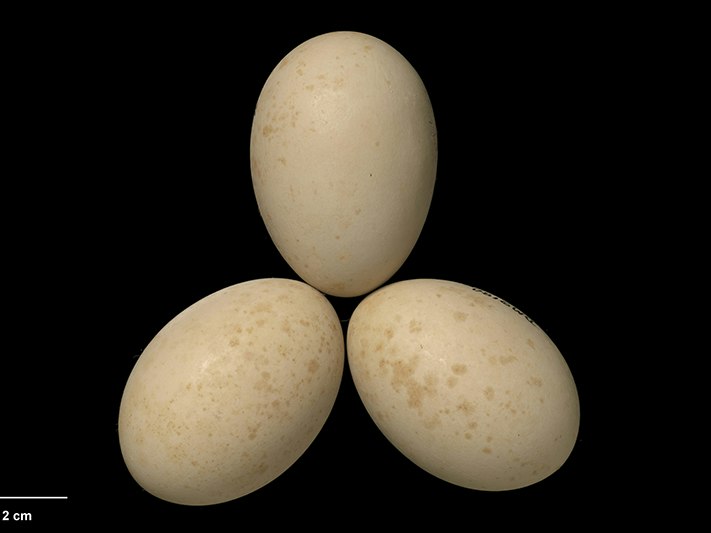
A large, stocky heron with a thick neck, heavy yellowish bill and relatively short yellow legs, nitterns are extremely cryptic and rarely seen. Male bitterns produce a sequence of distinctive ‘wooom’ calls known as ‘booms’, while females are largely silent, apart from producing a bubbling noise when they return to the nest, and a nasal ‘kau’ when alarmed.
This link will take you to NZ Birds Online website.