





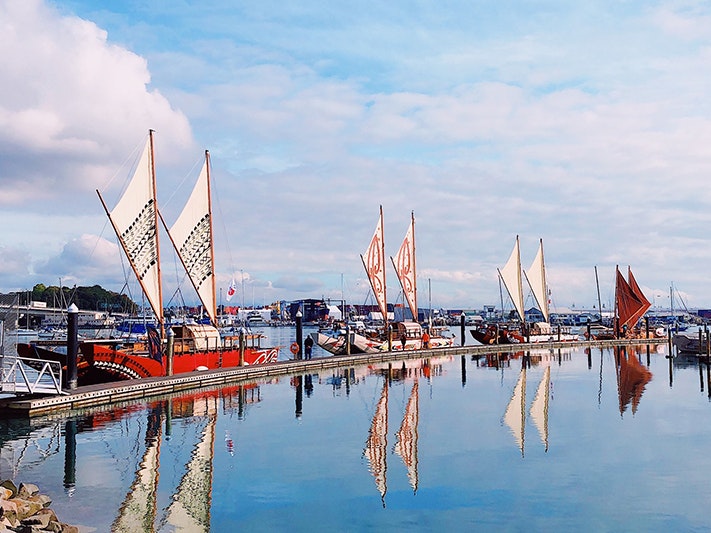
Waka hourua
Find out about navigating the Pacific, the knowledge revival of building of waka hourua (double-hulled vessels) and navigation, and sharing the mātauranga (Māori knowledge) and experiences in the process.
Free museum entry for New Zealanders and people living in New Zealand
Open every day 10am-6pm
(except Christmas Day)
Free museum entry for New Zealanders and people living in New Zealand
Explore these rich online resources about Aotearoa New Zealand and the Pacific through stories about taonga in the Te Papa collections, articles, blog posts, quizzes, and videos.
Discover stories about the national art collection, artists, photographers, curatorial research, and contemporary and historical collecting. Learn about mātauranga and the natural environment, te ao Māori and Pacific cultures, the Tiriti of Waitangi, and the social histories of Aotearoa New Zealand.
If you are looking for what is on in the museum, check out the Exhibitions page.
Help us make more resources like this, donate today.
Find out about navigating the Pacific, the knowledge revival of building of waka hourua (double-hulled vessels) and navigation, and sharing the mātauranga (Māori knowledge) and experiences in the process.
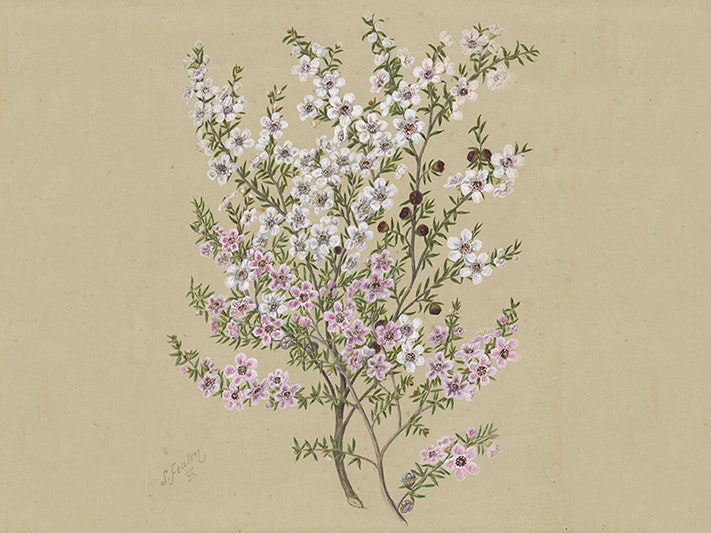
Botanical illustration can serve the needs of botany, documenting and supporting the description of plants and flowers for science records. But it can also serve the needs of art, conveying the beauty of a plant to viewers.
Te Papa, home to both the national art collection and the WELT Herbarium, holds a wide range of botanical illustrations, from Joseph Banks’ Florilegium to Sarah Featon’s exquisite 19th-century watercolours of Aotearoa’s indigenous flora. Explore some of them here.
Discover online stories of tangata whenua – the world of Māori, including mātauranga Māori, taonga, Te Tiriti o Waitangi, identity, te reo Māori language resources, and stories of resistance and contemporary identity.
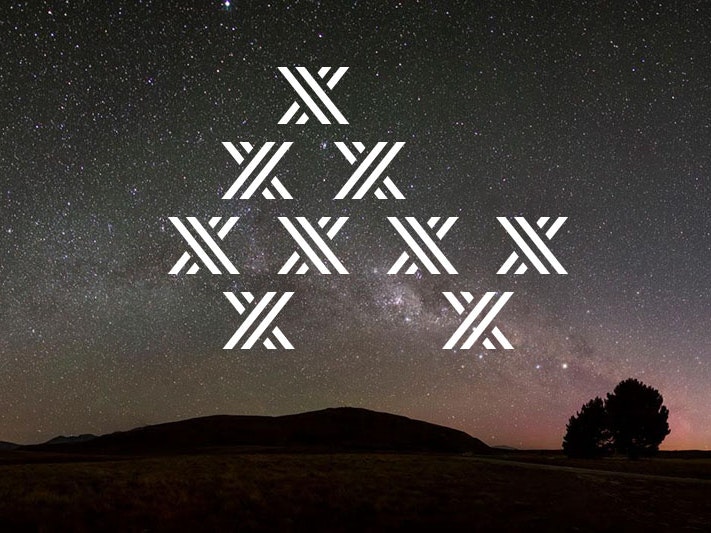
Learn all about Matariki and see our events. Matariki is a time to gather with family and friends to reflect on the past, celebrate the present, and plan for the future.
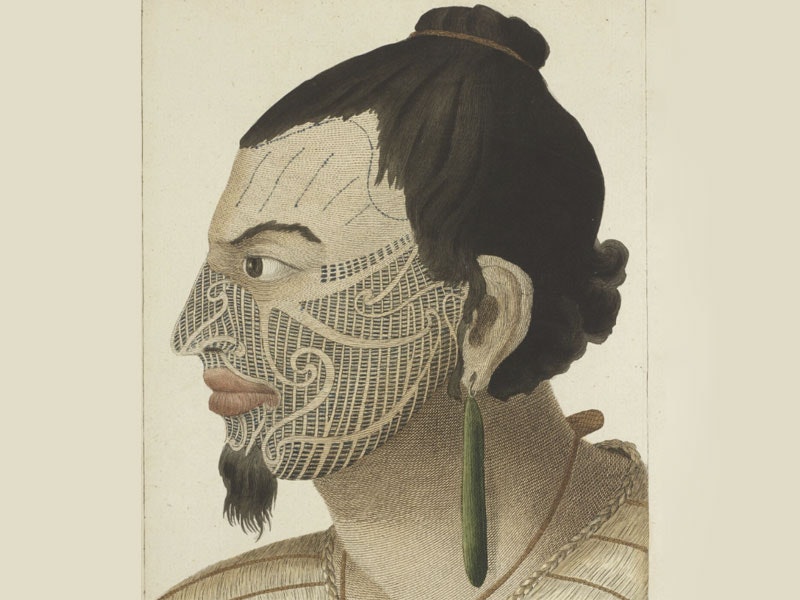
The practice of Māori tā moko developed on from Pacific tattooing in isolation. Find out about techniques, differences in tools and styles, photography and art, and aspects of early international trade in colonial collecting.
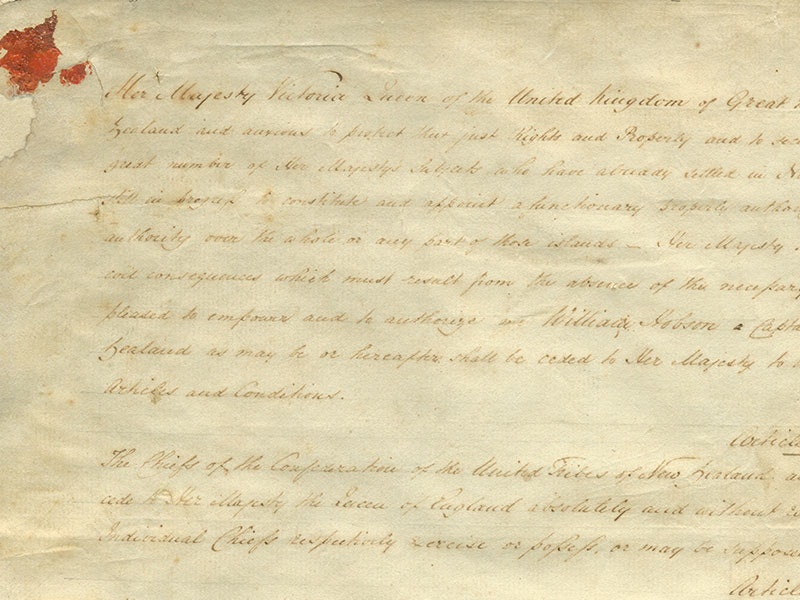
It is celebrated and argued over. It contains contradictions, and yet it offers clarity. It has a rocky past, but it is providing New Zealanders with new ways forward. It is the Treaty of Waitangi – this nation’s founding agreement.
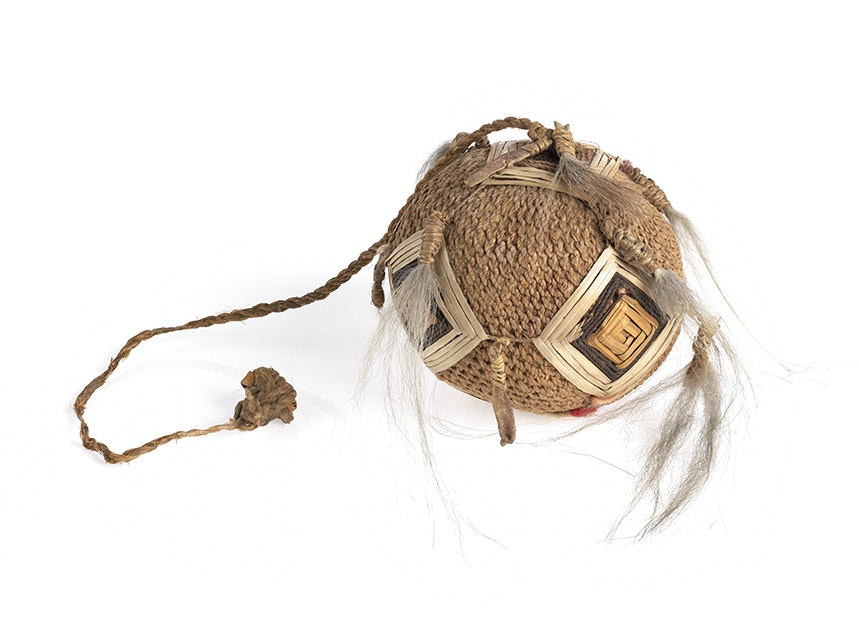
Explore taonga from te ao Māori (the Māori world), historical images and documents, and kōrero tuku iho (histories, traditions) in Te Papa’s collections.
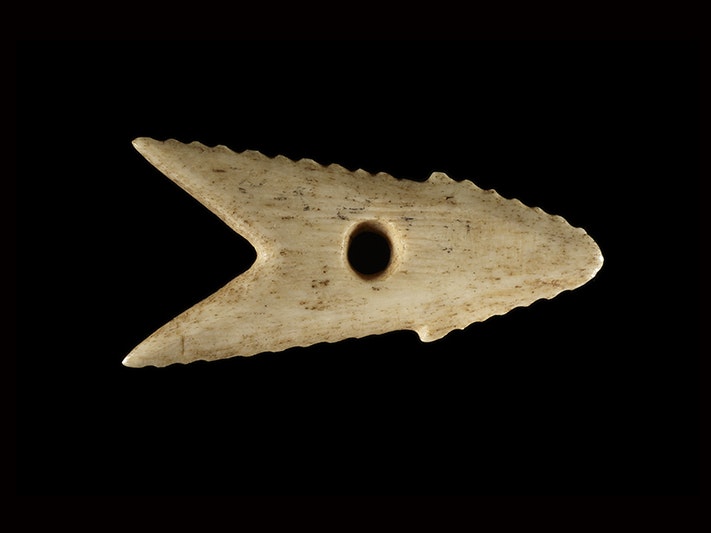
Browse hundreds of stories, taonga (treasures), kōrero (discussions), and mātauranga (knowledge) about Māori culture in Aotearoa.
Explore online stories about te taiao – the natural world of Aotearoa New Zealand and the Pacific, highlighting endemic and native species, conservation science, and how the collections contribute to knowledge, including mātauranga, Western science, DNA and environmental research, and fieldwork collecting.
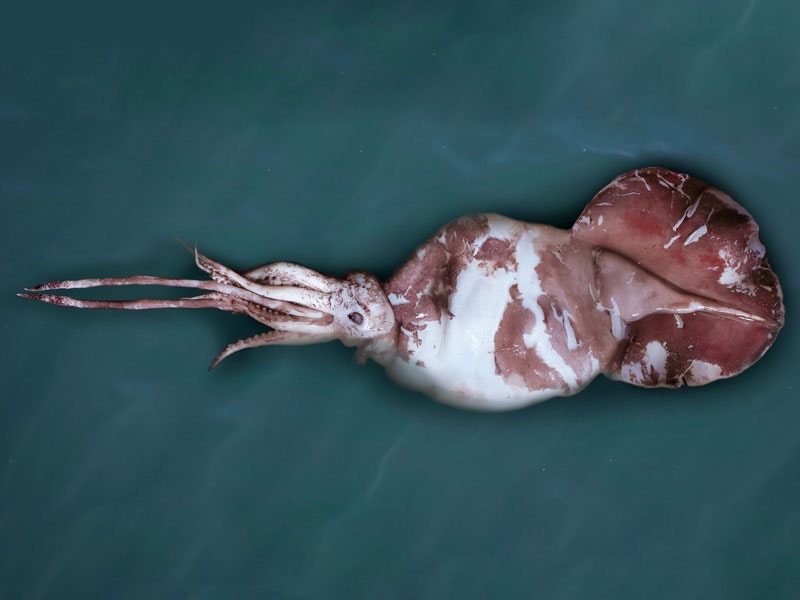
All you’d want to know about the colossal squid – from its anatomy, to how it was found.
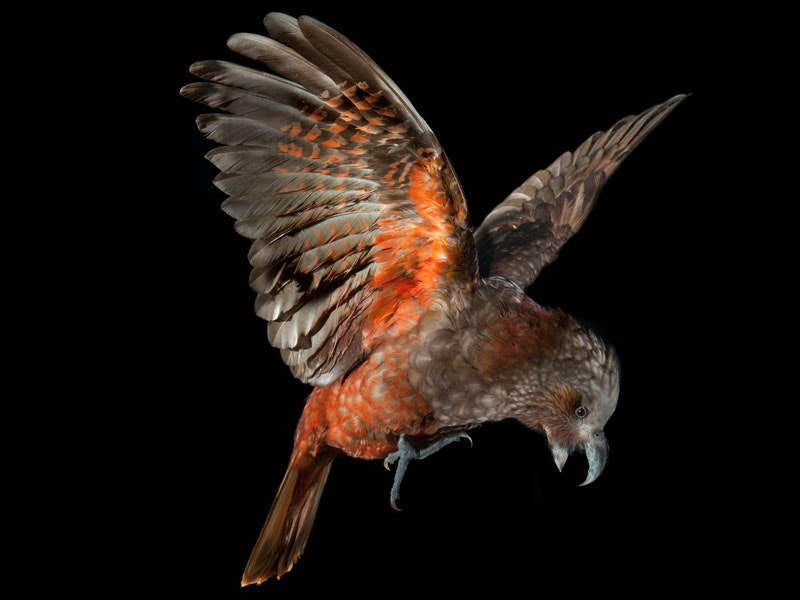
Birds are an important part of New Zealand's nationhood. We are the only nation where the people are often colloquially known by a bird name – ‘Kiwi’.
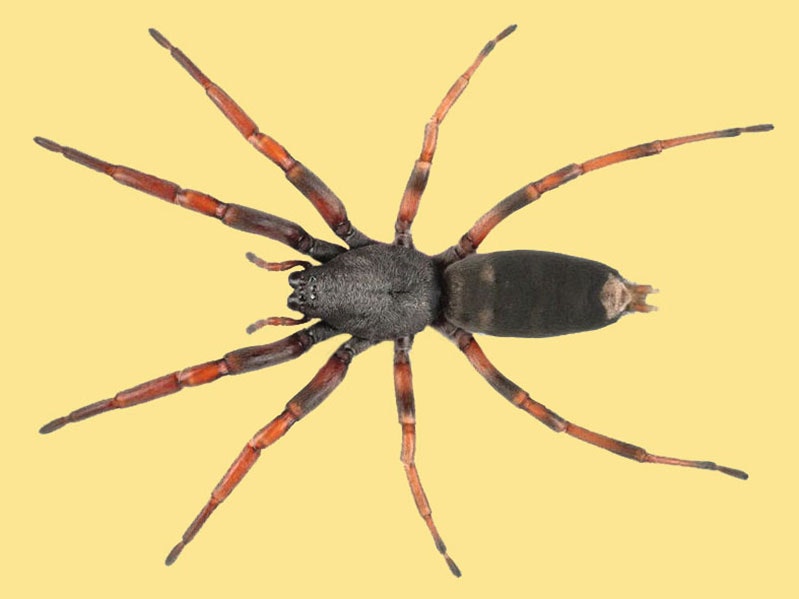
Insects, arachnids, myriapods, creepy-crawlies, moths, butterflies and their allies. Insects, spiders, and other bugs make up well over half of Aotearoa New Zealand’s animal diversity and that most of them are found nowhere else on planet Earth.
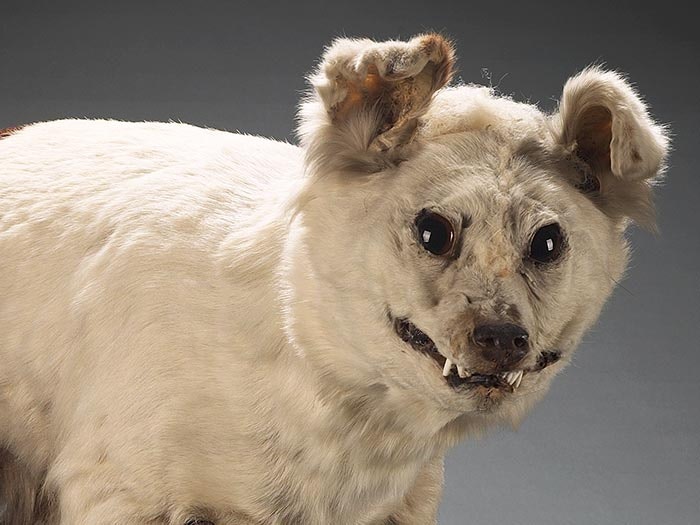
Crustacea, vertebrates, fossils, botany, molluscs, insects, marine mammals, fishes, and reptiles can be found in the largest, most comprehensive collection of New Zealand fauna and flora on Collections Online.
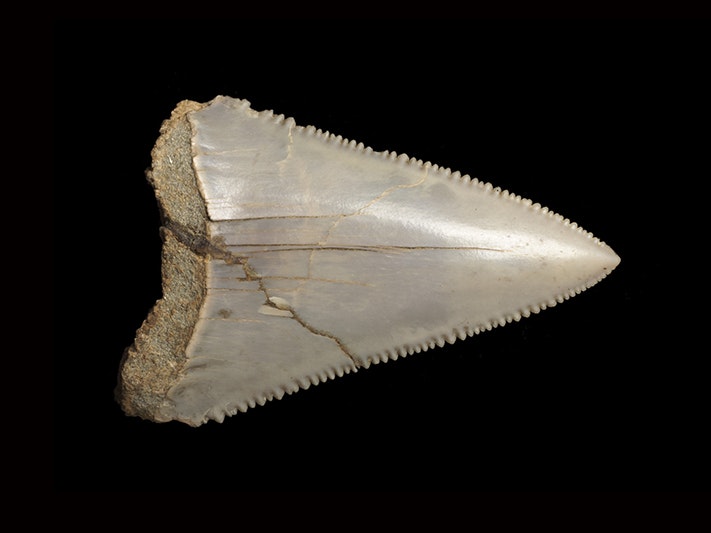
Browse hundreds of stories about te taiao (nature), botany, zoology, research, and the environment of Aotearoa and the Pacific.
Explore online stories of Aotearoa New Zealand’s social and historical fabric – the voices, actions, and communities shaping the nation. From collections about immigration, social justice, protest movements, and national identity, to historical wars, suffrage, colonial history, pandemic lockdowns, sport, fashion, and children’s toys.
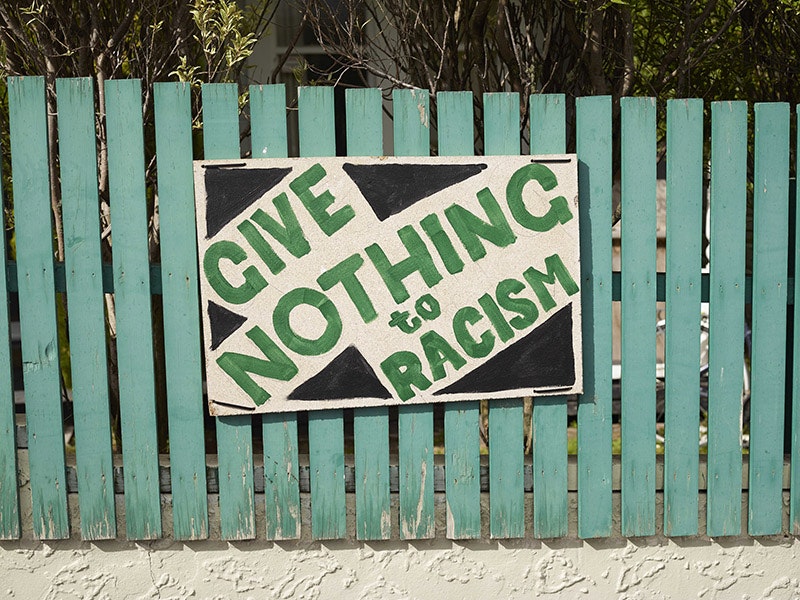
Read about protest collecting, decolonisation, and antiracism from our tohunga (experts), and across the web.
It is celebrated and argued over. It contains contradictions, and yet it offers clarity. It has a rocky past, but it is providing New Zealanders with new ways forward. It is the Treaty of Waitangi – this nation’s founding agreement.
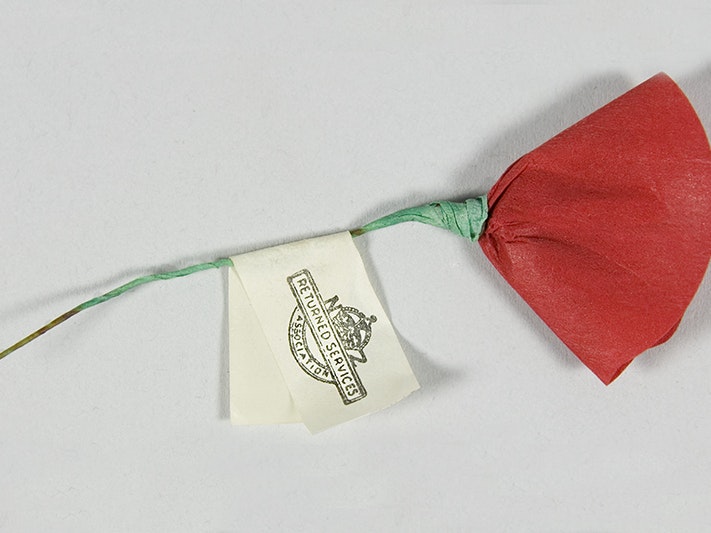
ANZAC refers to the soldiers from Aotearoa New Zealand and Australia who served in the Australian and New Zealand Army Corps (ANZAC) during the First World War. Anzac Day is held annually on April 25 as a national day of remembrance to commemorate those who served and those who died in all international wars, conflicts, and peacekeeping operations.
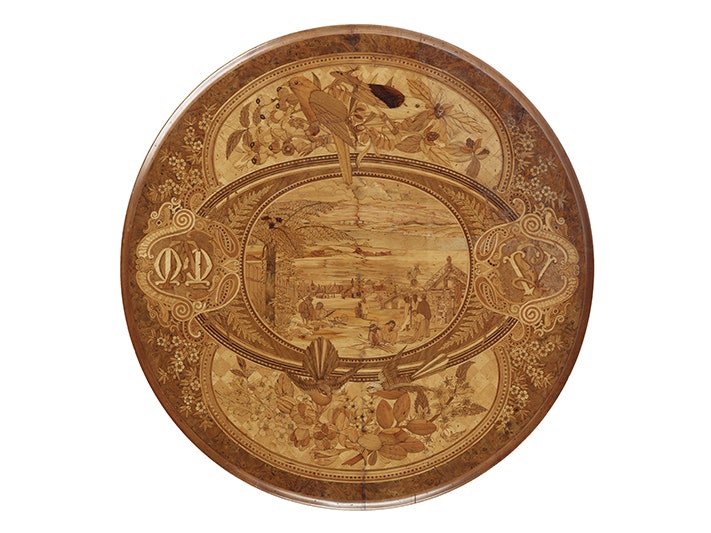
From postage stamps to protest, childrens toys to familiar scenes, from early New Zealand society to contemporary migrant community collecting, view Aotearoa New Zealand culture on Collections Online.
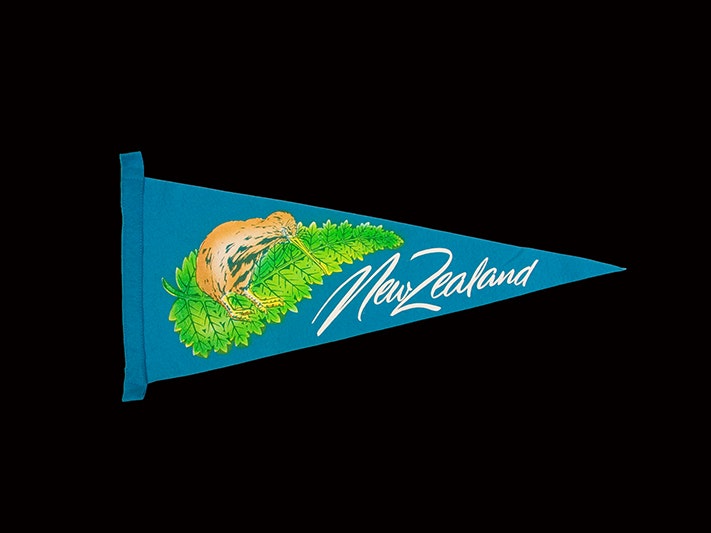
Browse hundreds of stories, taonga (treasures), and voices from Aotearoa New Zealand social history and identity.
Explore online stories of identity and traditions of Pacific nations in Te Moana-nui-a-Kiwa and Aotearoa New Zealand. Including stories about identity, community, traditional and revived knowledge, as well as connections to Te Papa’s collections.

Watch five interviews with eight Pasifika women examining the trope of the sensual ‘dusky maiden’ and the cultural significance of flowers in the Te Moananui-a-Kiwa Pacific Islands. Explore further through blog articles responding to the films, Te Papa collection images, and Pacific writing and media.
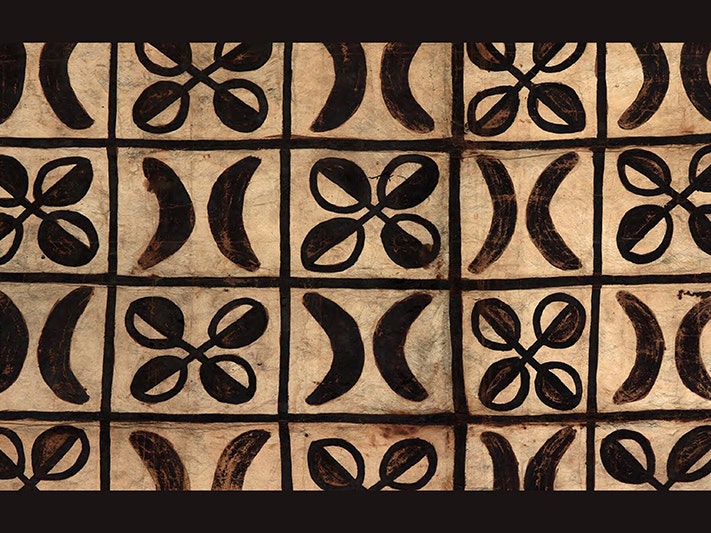
Find out about how tapa has been used, read about wānanga (workshops) contemporary makers, and see the tools used to make tapa and the beautiful taonga (treasures) in our collection.
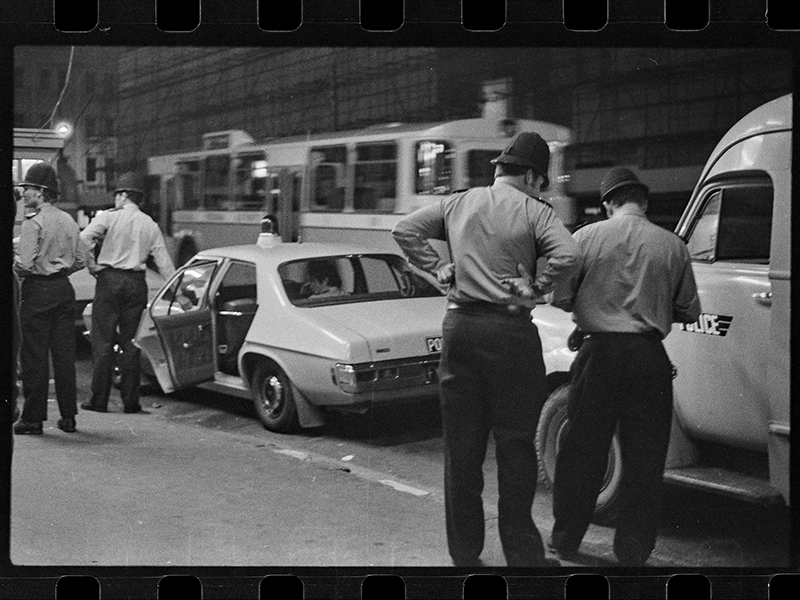
The Dawn Raids were the Government’s promise to ‘get tough’ on law and order and immigration in the 1970s. Raids took place in the early hours of the morning or late at night when police would enter homes to convict and deport so-called ‘over-stayers’.
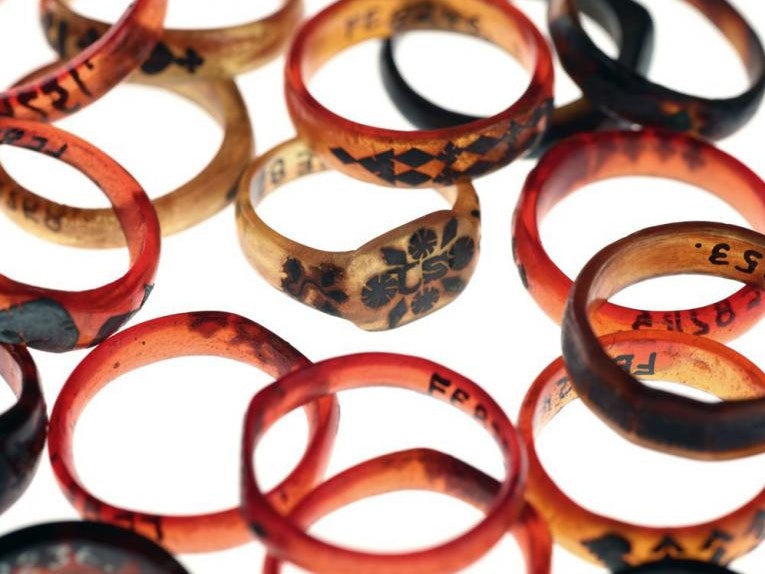
Find taonga in the collections from historical collecting in the early days of the Colonial Museum, to contemporary art from makers and communities from the Pacific Islands.
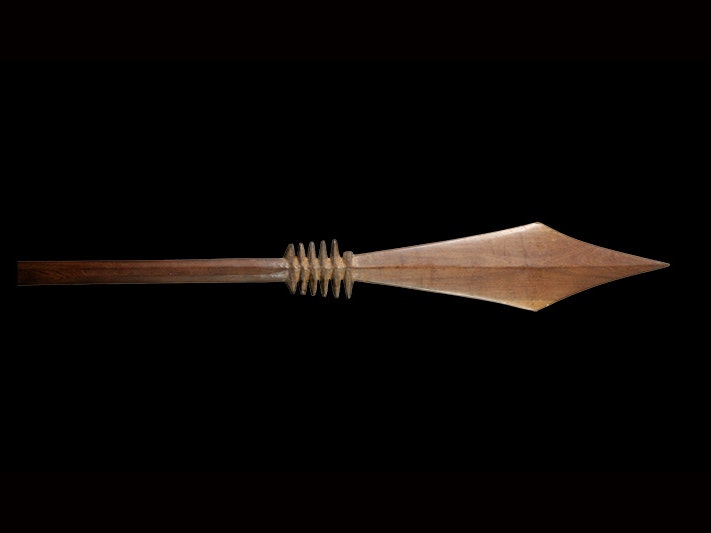
Browse hundres of stories, measina (treasures) related to Te Moana-nui-a-Kiwa: Pacific peoples and cultures.
Explore online stories of art and creativity from across Aotearoa New Zealand, the Pacific, and beyond. Watch interviews with traditional and contemporary artists, browse artworks in the National Art Collection, take a deep dive into what photographers have captured and why, or understand how makers blend cultural storytelling with artistic expression.
Botanical illustration can serve the needs of botany, documenting and supporting the description of plants and flowers for science records. But it can also serve the needs of art, conveying the beauty of a plant to viewers.
Te Papa, home to both the national art collection and the WELT Herbarium, holds a wide range of botanical illustrations, from Joseph Banks’ Florilegium to Sarah Featon’s exquisite 19th-century watercolours of Aotearoa’s indigenous flora. Explore some of them here.
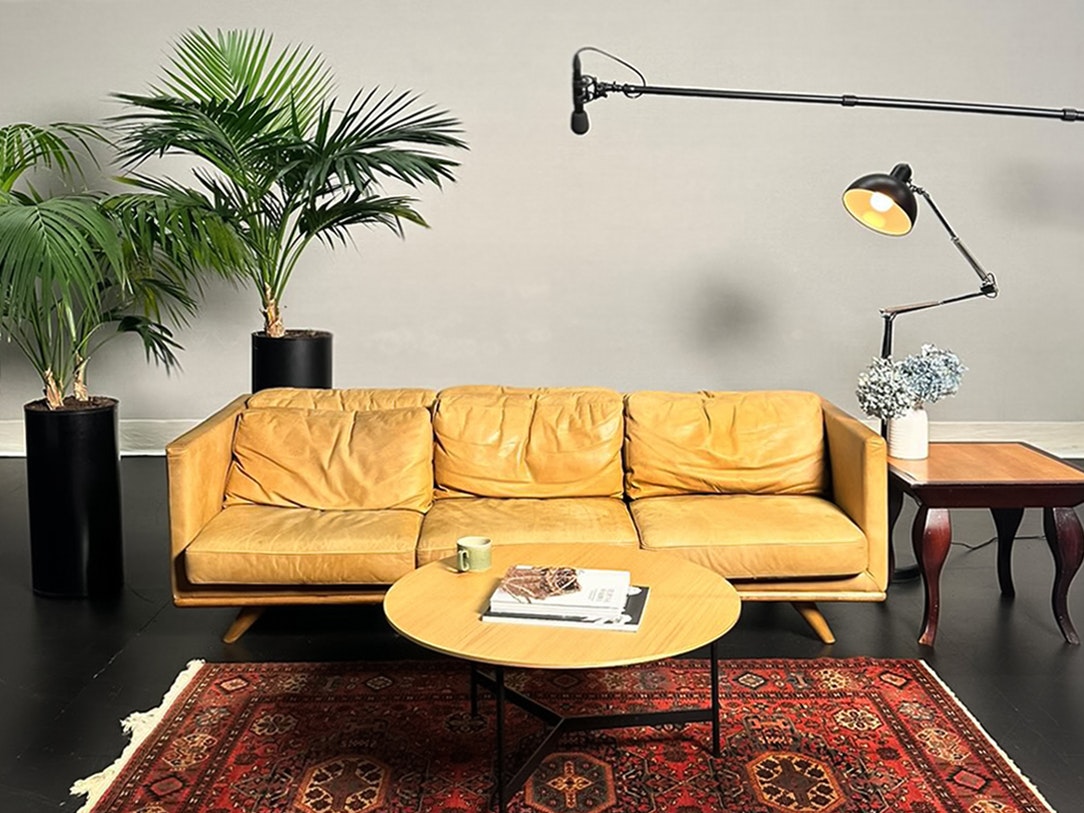
Watch Aotearoa New Zealand artists, ranging from contemporary jewellers to sculptors, designers, painters, photographers, and more, engage in discussions about their works and methods.

Studio portraits taken in a professional photographer’s studio – often making use of backdrops or props – were for formal, posed portraits, as well as informal, candid photographs of people, and sometimes their pets.
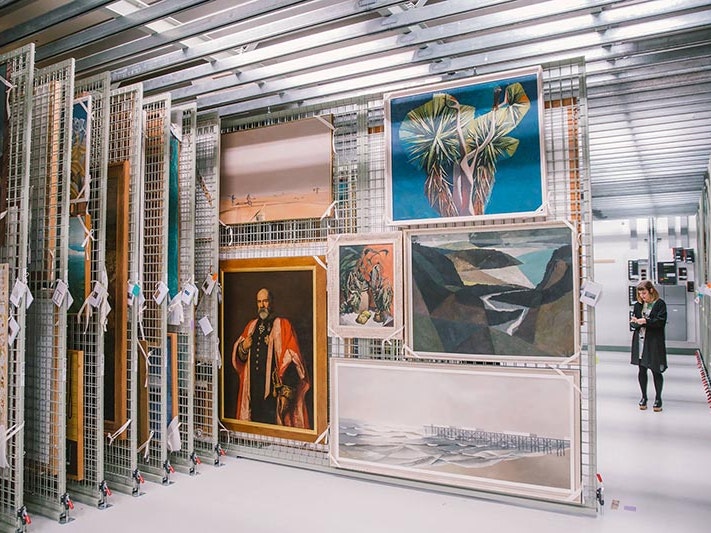
View taonga (treasures) and artist biographies on Collections Online from the national art collection that have come into the museum from collectors, artists, their families, and the public.

Browse hundreds of stories about New Zealand artists, jewellers, photographers, and discover the National Art Collection.
Take a peek inside the national museum – its history, role, the people, and the work that supports research, exhibitions and events, and the Digital Museum.
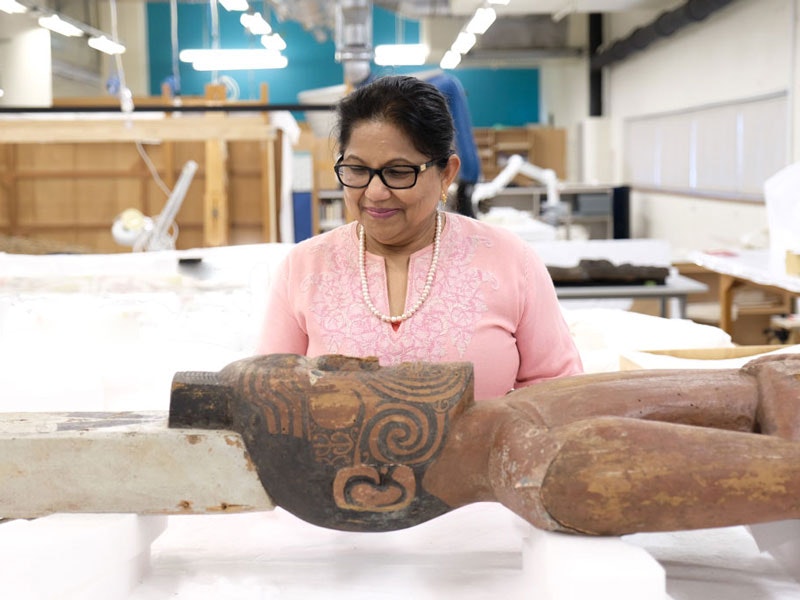
Explore how exhibitions are created, how we care for our collections, and the research that happens behind-the-scenes.
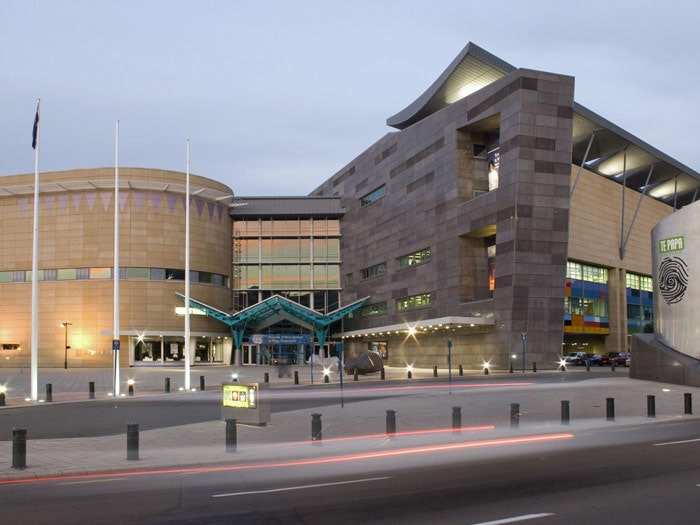
Te Papa is a landmark building in the heart of Wellington. It’s an engineering feat, rich with symbolism, and accessible to all.
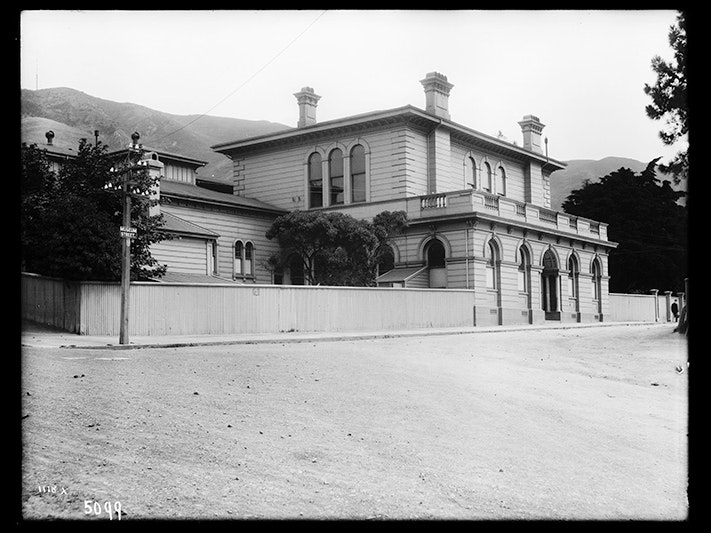
Founded in Thorndon in 1865 by Sir James Hector, the Colonial Museum was Te Papa’s predecessor. Discover its early stories and people, and how past collecting practices continue to shape – and sometimes hinder – provenance research today.
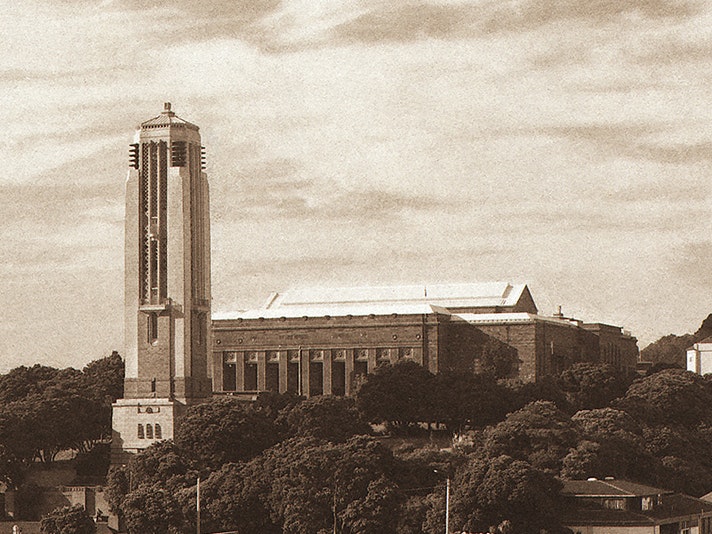
In 1907, the Colonial Museum was renamed the Dominion Museum and took on a broader national focus. In 1936, a new building opened in Buckle Street to house the Dominion Museum and new National Art Gallery. In 1972, the Dominion Museum became the National Museum.
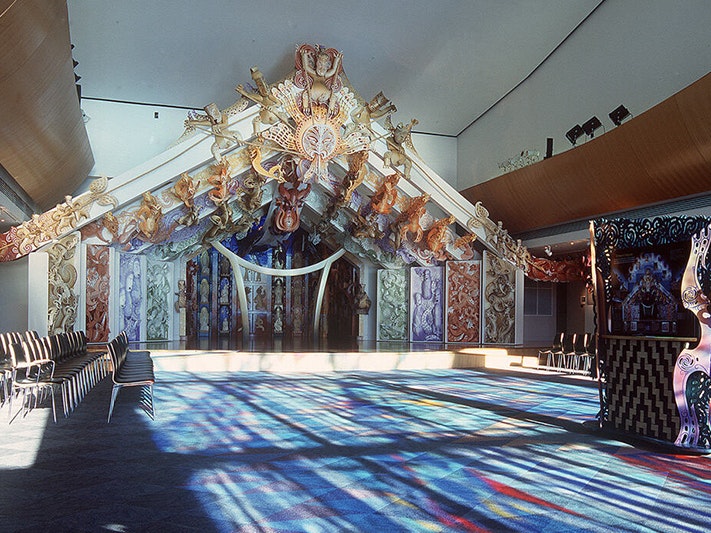
Rongomaraeroa is a unique marae (meeting place) within Aotearoa New Zealand. Like all marae, it is founded on Māori principles of kawa (marae protocol) and tikanga (cultural practices) it was created for our unique museum context as a contemporary marae acknowledging the whakapapa (ancestral history) and the taonga (treasures) of all peoples who call Aotearoa New Zealand home.
Explore different ways to use the collections, focus on a subject, research, download datasets, and find out how other websites use Collections Online.
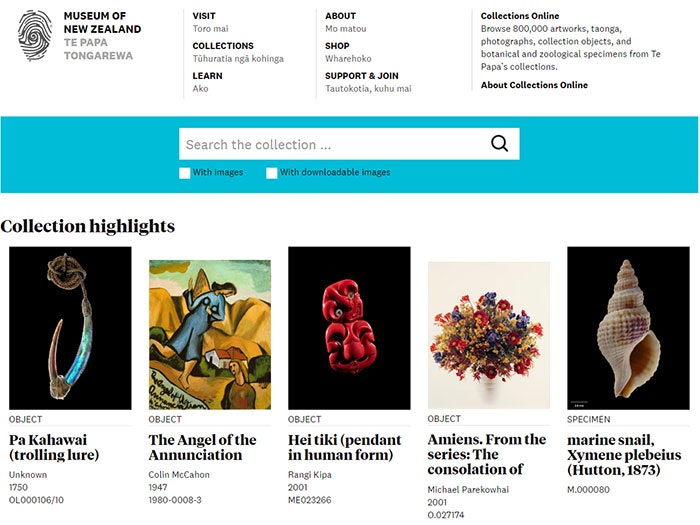
Collections Online has information on over 1,000,000 artworks, objects, and specimens from Te Papa’s collections; from dinosaur teeth to contemporary art, buzzy bee to Xena.
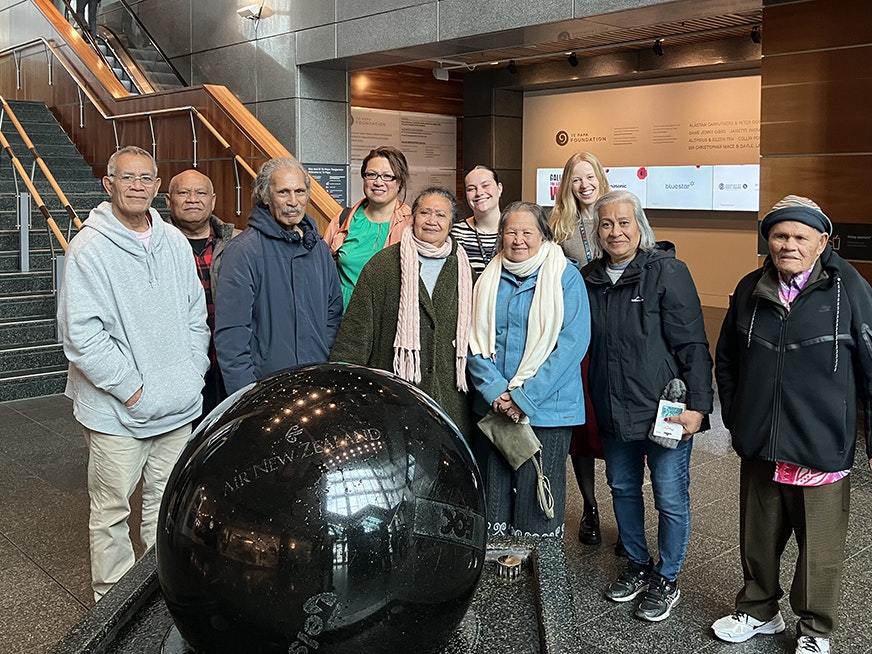
Hear from our subject experts and go behind the scenes to find out the latest on what’s happening at Te Papa.

We share open collections, data, and knowledge around the web. Here’s why we do this and where to find us.
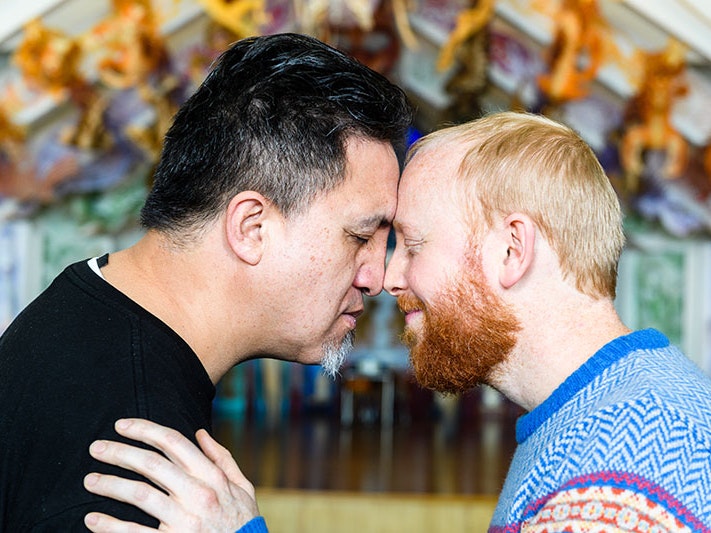
Are you interested in peeking inside Te Papa to take a journey into the wonders, taonga (treasures), and events that make up Aotearoa New Zealand’s history? Find out about our online learning options.

Take a moment or two to relax with online jigsaw puzzles using taonga from our collections. Come back frequently to find new ones!