Free museum entry for New Zealanders and people living in New Zealand

Watch: We Are Not Your Dusky Maidens!Mātakina: Ehara mātou i ō Kōhine Kaurehu!

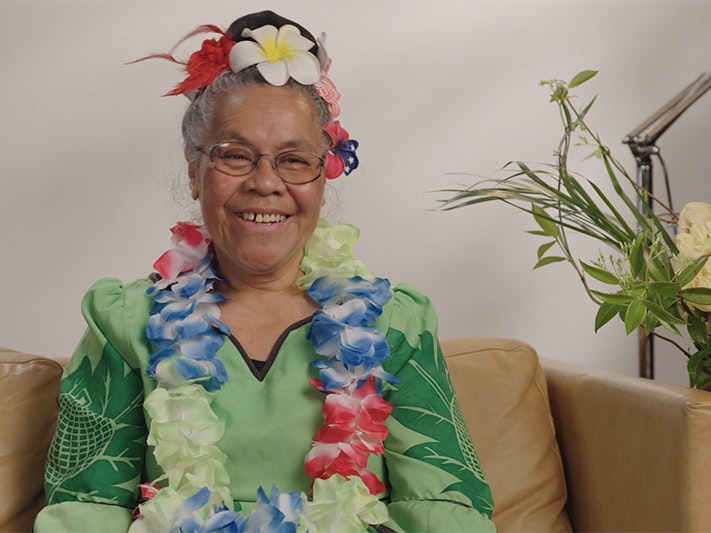
Pasifika female identity is synonymous with flowers – sei, hei and tiare are precious and worn close to the body behind the ear, in the hair, or around the neck as lei. Fragrant flowers remain the indigenous perfume of Tangata o le Moana, and the meaning and significance behind the flowers changes with migration to Aotearoa where the fragrance becomes nostalgic and even more beloved.

However, the wearing of flowers by Pasifika women is also tied to the trope of the sexualised and beguiling “dusky maiden”, a stereotype that persists to this day.

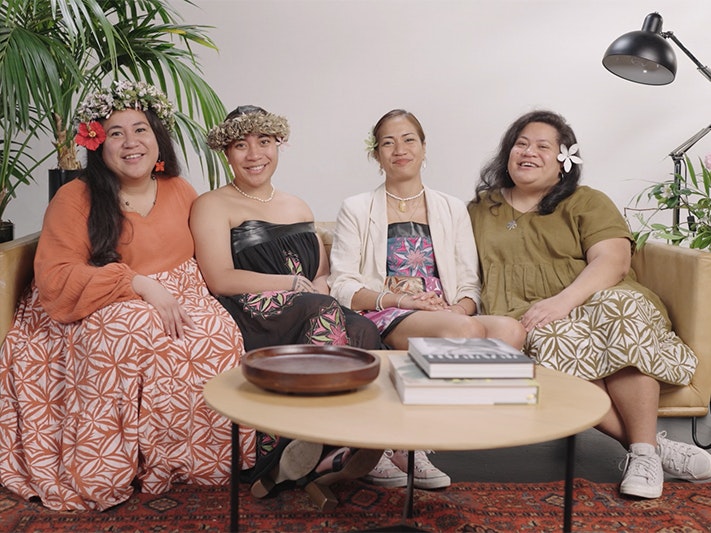
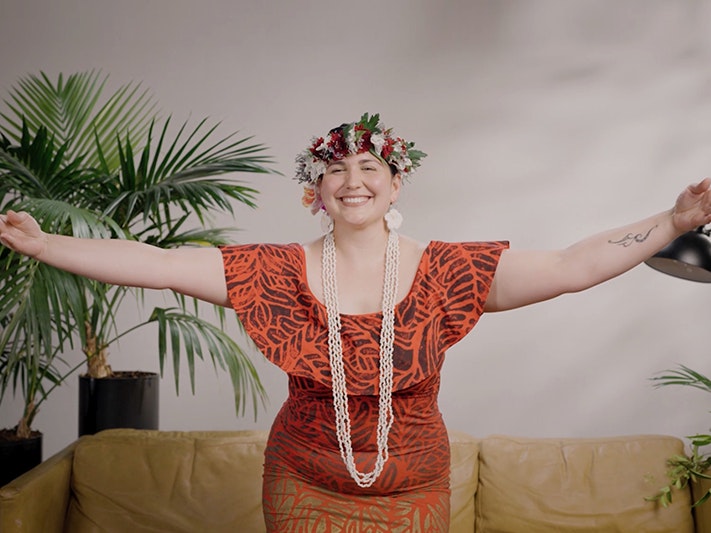
The women interviewed in this collection of short films for We Are Not Your Dusky Maidens! reveal the vitality and complexity of what it means to be a Pasifika woman in the twenty-first century. Importantly, flowers help ground these Island-born women, but they also speak back to the dusky maiden trope – shown in historic images from Te Papa’s collection – revealing how romanticised notions of the Pacific have shaped their own identities and how they think and move in the world.

Watch all five short films of We Are Not Your Dusky Maidens!

Creating and responding to We Are Not Your Dusky Maidens!

Connecting the Dusky Maidens trope and Te Papa’s Collection

  • Sepia photo of a Sāmoan woman

    View Thomas Andrew's dusky maidens of Sāmoa

    New Zealand photographer Thomas Andrew lived in Sāmoa from 1891 to 1939. Sāmoa was a major trading centre and tourist destination, and there was a growing demand for souvenir images of island scenes. Many of his portraits of Sāmoan women are examples of stereotypes of the exotic ‘Island belle’ or dusky maiden in colonial photography and were in mass circulation in souvenir photo albums and tourist magazines, and as postcards.

  • Sepia photo of three Pacific women in a photographic studio.

    View the Collection photographs shown in the interviews

    The South Seas, as they were often known before the 20th century, have long held a place in the imagination as an exotic, carefree paradise where the restrictions of Western society no longer applied. Women were usually pictured topless, and the idea of Polynesian beauty represented in highly stereotyped ways. 

More writing and videos about the Dusky Maiden trope

  • Nine women wearing pasifika clothing are standing or seated around or on a sofa looking at the camera.

    Myths & Maidens

    ‘Myths and Maidens’ is a love letter to fa‘afafine Moana, and looks at some of our trauma, challenges and inequities across Pasifika, and how in the face of this, the celebration of ourselves is an act of colonial resistance.

    Watch this documentary on Coconet’s website

  • A necklace with four skulls sitting on three large green leaves

    Garland Magazine – Issue 9: Te Moana nui a Kiwa

    This edition of Garland Magazine is primarily about adornment and flowers throughout Oceania and reflects a cultural resilience and invention that can be found across the wide expanse of Te Moana nui a Kiwa. 

    Explore the articles on Garland Magazine’s website.

  • A close up of a painting of a woman's face with a red flower behind her right ear.

    Watch: Velvet Dreams

    A homage to Dusky Maiden images as well as a playful take on the low art of velvet painting, Sima Urale’s Velvet Dreams provides a tongue-in-cheek exploration of Pacific Island stereotypes. Part detective story, part documentary, an unseen narrator goes in search of a painting of a Polynesian princess that he has fallen in love with.

    Watch this on the NZ On Screen website.

  • An  eight-leaved flower with white petals.

    Read: Tiare maori: beloved flower of the Cook Islands

    Curator Museum Cook Islands Jean Tekura Mason writes about the star-like tiare maori (Gardenia taitensis), with its gentle fragrance, is the most beloved to Cook Islanders.

    Explore the article on the website EnjoyCookIslands.com