





Collection management: Repatriation guide
The purpose of this resource guide is to provide museums with a foundation from which to develop their own practices and policies around repatriation of kōiwi tangata (human remains).
Free museum entry for New Zealanders and people living in New Zealand
Open every day 10am-6pm
(except Christmas Day)
Free museum entry for New Zealanders and people living in New Zealand
Support for returning ancestral remains and taonga Māori to their source communities
Whether you’re just beginning your repatriation journey or continuing long-standing mahi, this fund is here to help.
Ngākahu Ruruhau provides funding to organisations in Aotearoa New Zealand for projects that support the repatriation of ancestral remains and taonga Māori from museums, collecting institutions, and other organisations in Aotearoa New Zealand and overseas.
The fund provides up to $5,000 (incl. GST) for activities that support repatriation, including research, care, and other related costs.
The next funding round opens on 1 August 2026 and closes on 31 March 2027.
We welcome applications from iwi, hapū and whānau caring for taonga, museums and galleries.
To be eligible you must:
represent a legally constituted non-profit organisation, such as an incorporated society, charitable trust, or iwi authority
submit no more than one application per financial year (1 July – 30 June).
contracting a bioarchaeologist to identify ancestral remains
engaging logistical support to assist with repatriation
short-term workforce capacity to undertake repatriation research
improving the storage, care, and security of ancestral remains
organising hui or wānanga to discuss repatriation options and approaches
travel to build relationships with source communities or support source communities to travel to you
designing and creating resting place memorials
costs associated with the respectful return and receiving of ancestral remains and taonga Māori
costs associated with burial or interment.
items or services that have already been purchased or projects that have already been completed
ongoing operational costs (e.g. rent and utilities)
travel for professional development (please see our Travel Subsidy Grant or Professional Development Grant instead).
Find out more about NSTP funding and grants
Complete the application form below, then email it with your supporting documentation to NSTPGrants@tepapa.govt.nz
Ngākahu Ruruhau National Repatriation Fund Application Form (73.05 KB)
Applications are accepted from 1 August 2026 to 31 March 2027 or until all available funding has been allocated. We encourage you to apply early, as the fund will close once it is fully committed.
We aim to let you know the outcome within 30 working days of receiving your application.
All decisions made by our assessment panel are final, and no correspondence will be entered into.
If you have any questions about the Ngākahu Ruruhau fund, we are happy to help.
Phone: 0508 678 743
Email: NSTPGrants@tepapa.govt.nz
If your application is successful, we'll send you instructions on how to invoice us, including a purchase order number. Please note that the invoice must come from your organisation, as we're unable to pay suppliers directly.
Te Papa's standard payment terms are the 20th of the month following the invoice date.
Once you've used the funding, you’ll need to:
submit a short report to NSTPGrants@tepapa.govt.nz outlining how the funding was used, including the costs incurred and the outcomes achieved.
Your report must be submitted after your project is complete and no later than 30 June 2027.
Download the reporting template:
Ngākahu Ruruhau National Repatriation Fund Final Report (75.54 KB)
If your application is successful, we'll ask you to acknowledge the support you've received from National Services Te Paerangi. We will provide you with our logo and usage guidelines for this purpose.
Please send a copy of any publicity which references National Services Te Paerangi for approval before publication.
The purpose of this resource guide is to provide museums with a foundation from which to develop their own practices and policies around repatriation of kōiwi tangata (human remains).
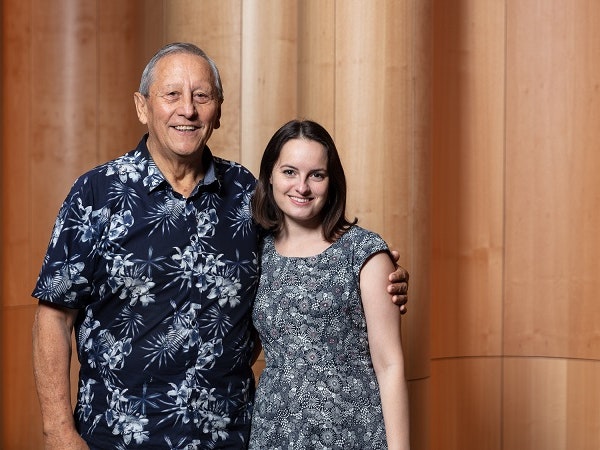
Learn about some of the current examples of processes and practises of professionals working on repatriation throughout Aotearoa.