






2026 Venice Biennale – Fiona Pardington
Fiona Pardington is the Aotearoa New Zealand artist for the 61st International Art Exhibition – La Biennale di Venezia.
Free museum entry for New Zealanders and people living in New Zealand
Open every day 10am-6pm
(except Christmas Day)
Free museum entry for New Zealanders and people living in New Zealand
Explore online stories about the work of artists and photographers from the national art collection through videos, podcasts, and in-depth articles. Find out about favourite art works from our curators, find expressions of culture and creativity across Aotearoa New Zealand and the Pacific, watch interviews with traditional and contemporary artists, browse selected artworks and photographs in Te Papa’s collections, or watch makers blending storytelling with artistic expression.
If you are looking for what is on in the museum, check out the Exhibitions page.
Help us make more resources like this, donate today.
Fiona Pardington is the Aotearoa New Zealand artist for the 61st International Art Exhibition – La Biennale di Venezia.
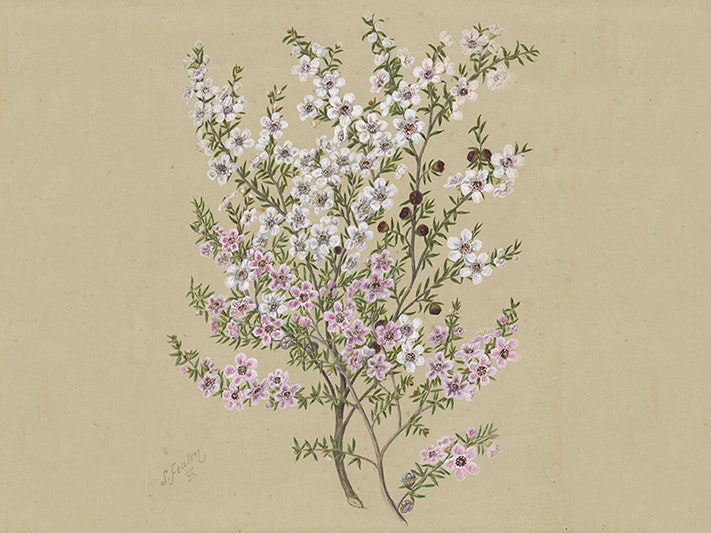
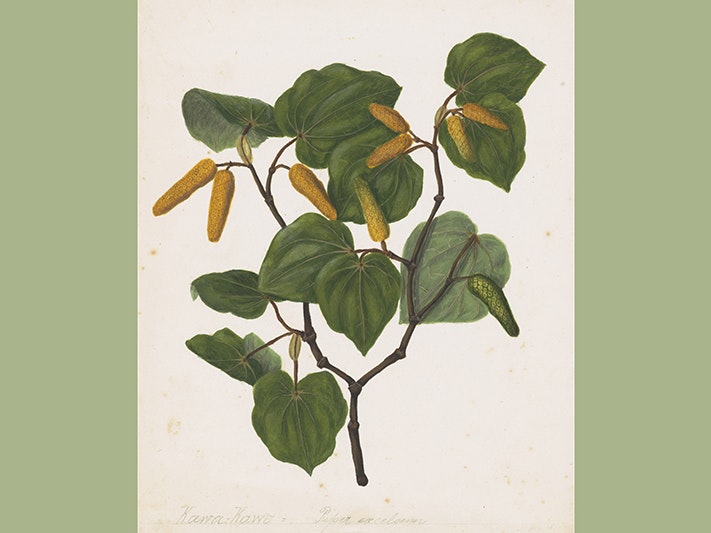
Botanical illustration can serve the needs of botany, documenting and supporting the description of plants and flowers for science records. But it can also serve the needs of art, conveying the beauty of a plant to viewers.
Te Papa, home to both the national art collection and the WELT Herbarium, holds a wide range of botanical illustrations, from Joseph Banks’ Florilegium to Sarah Featon’s exquisite 19th-century watercolours of Aotearoa’s indigenous flora. Explore some of them here.
What do the curators really think? How much do you know about about Aotearoa New Zealand artists? Ranging from contemporary jewellers to sculptors, designers, painters, photographers, and more, you can hear from the artists talking about their works and methods, and learn about art in the Te Papa collections.
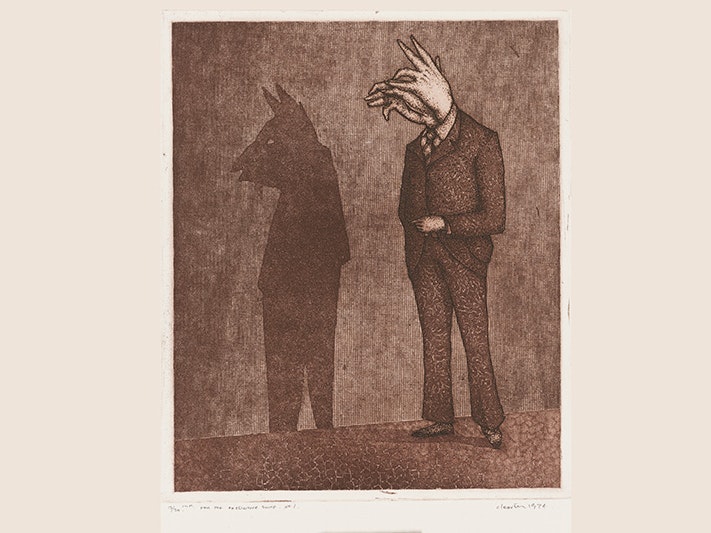
Read about ngā ringatoi (artists) and explore their works on Collections Online.

Watch Aotearoa New Zealand artists, ranging from contemporary jewellers to sculptors, designers, painters, photographers, and more, engage in discussions about their works and methods.
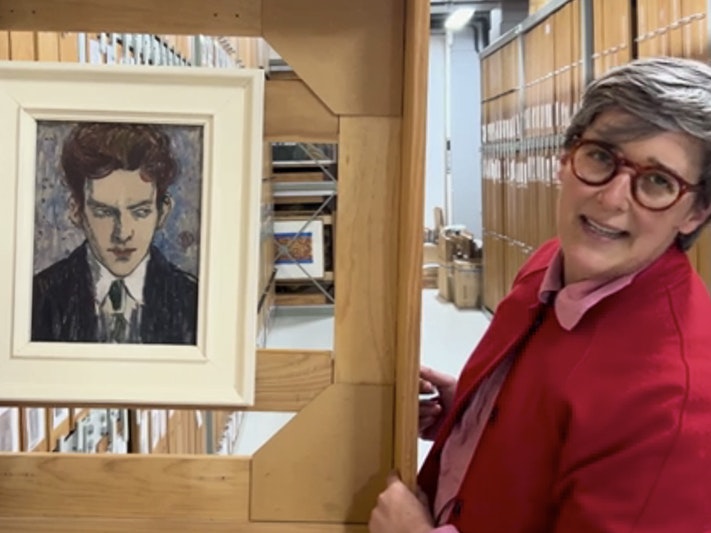
What art does an art curator like? What makes a piece of art important? Our art curators talk about their favourite artworks and describe particular pieces in our collection.

Art is for everyone. Here we explore some of your responses to artworks, exhibitions, and our collections.

Find out about our various avenues of art research and who we are.
Photographers, professional studio portraits, curatorial collections and preservation, protest photography, photographs of land, people, and even their pets.

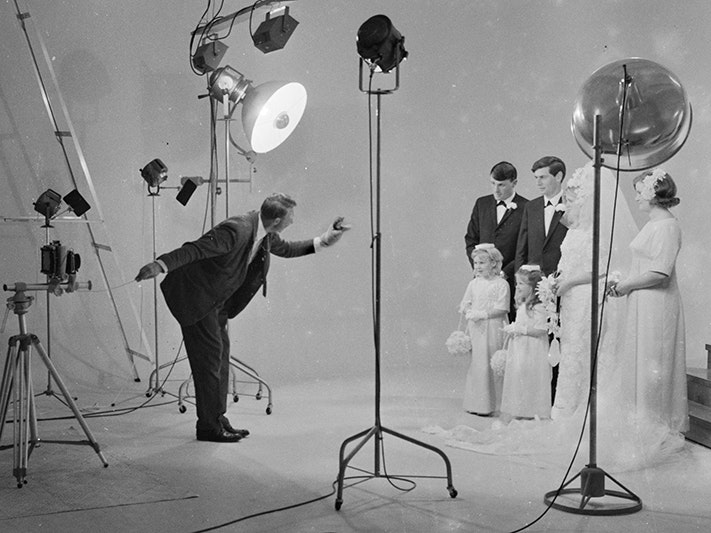
Studio portraits taken in a professional photographer’s studio – often making use of backdrops or props – were for formal, posed portraits, as well as informal, candid photographs of people, and sometimes their pets.
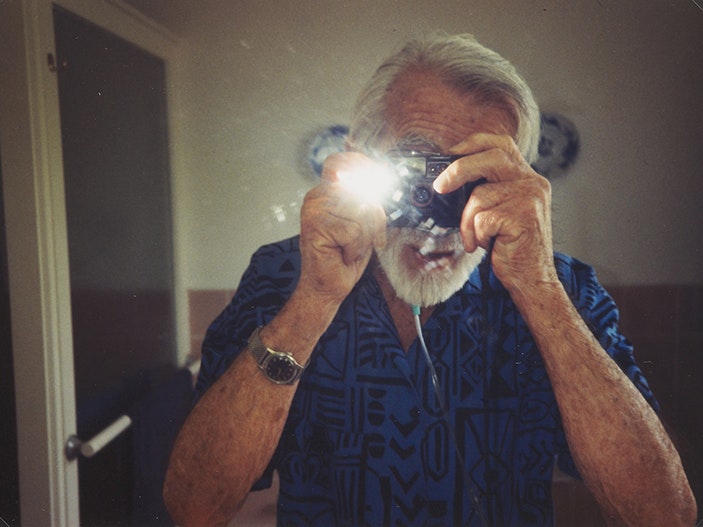
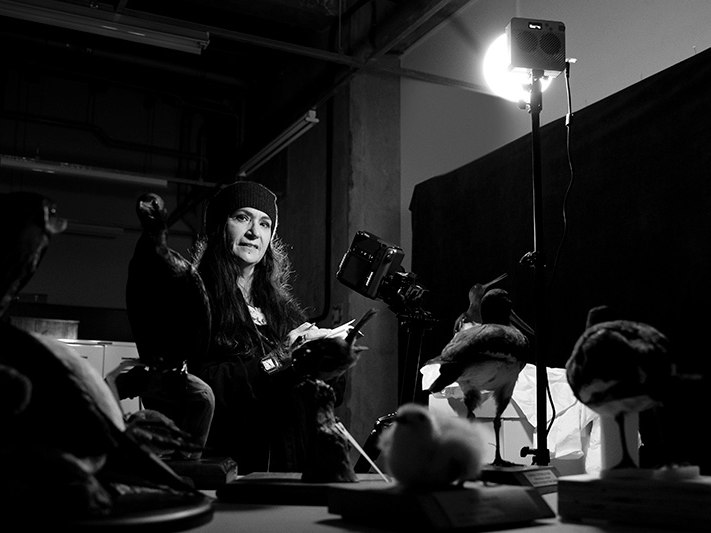
Meet some of the photographers – from documentary photojournalists to studio photographers – in the photography collection at Te Papa.
Read our blog posts that cover everything from identifying who people are in archival images, how Indigenous people have been portrayed by Western society, to curious creatures found in nature challenges.
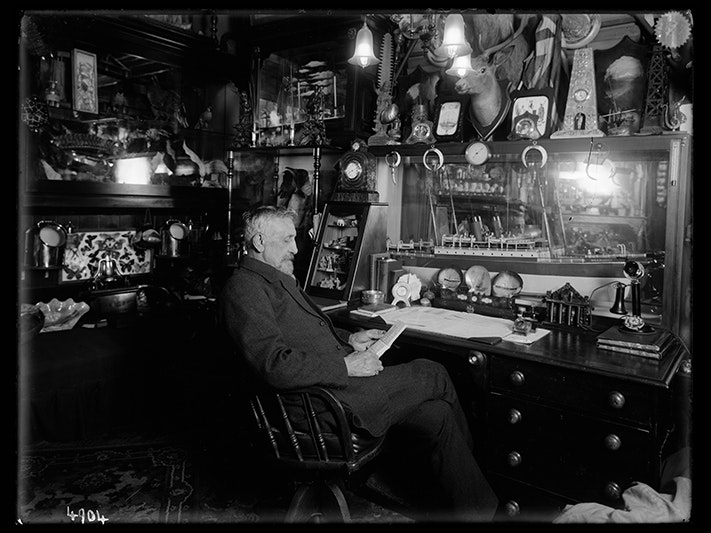
Te Papa actively collects both in the fields of historical documentary photography and art photography and the Photography Collection covers Colonial Museum collecting in the second half of the nineteenth century, photographs collected for their historical value illustrating of past times, family photogrophs, studio photography, and photorgraphy as an art medium.
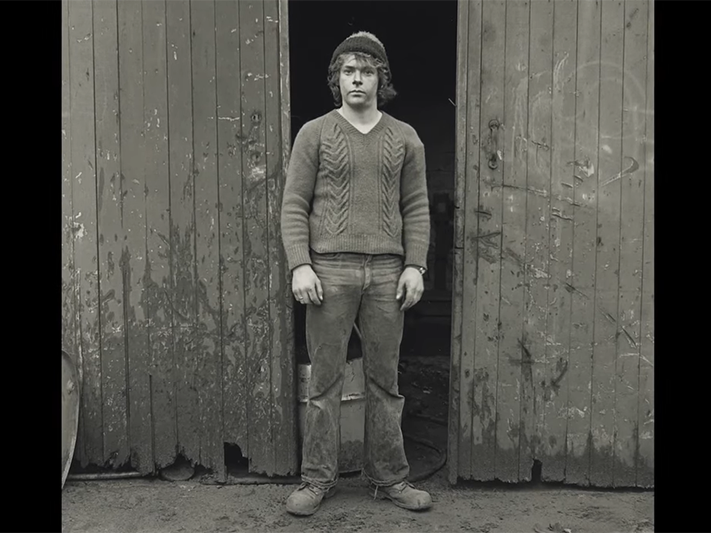
Te Papa’s photography curator, Athol McCredie, shares stories about seven photographs from his book and exhibition New Zealand Photography Collected.
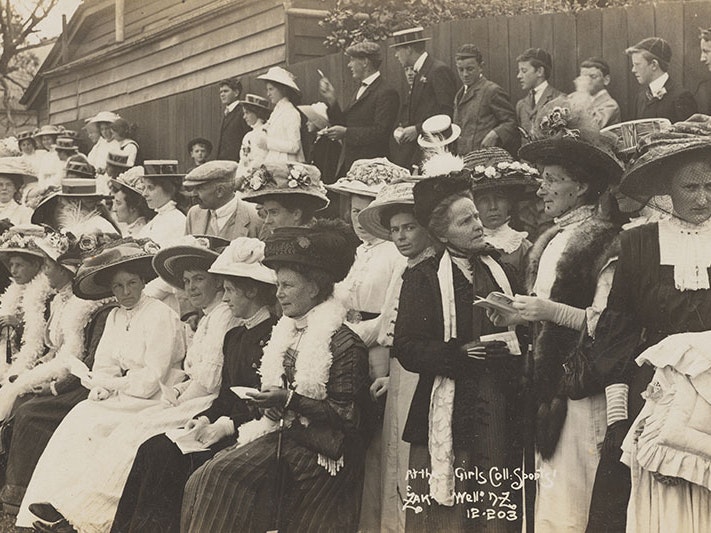
At the Girls College sports, about 1910, Wellington, by Zak (Joseph Zachariah). Te Papa (PS.003374)
Get them while they’re young – art is not just for adults and rarified spaces. Read and listen to our tamariki and rangatahi responding to art.
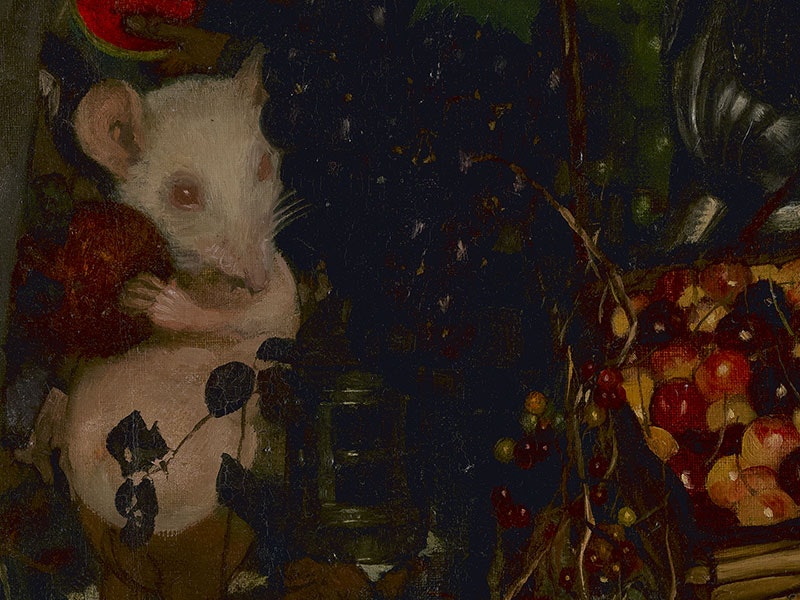
What does a child see when they look closely at Frank Craig’s ‘Goblin market’?
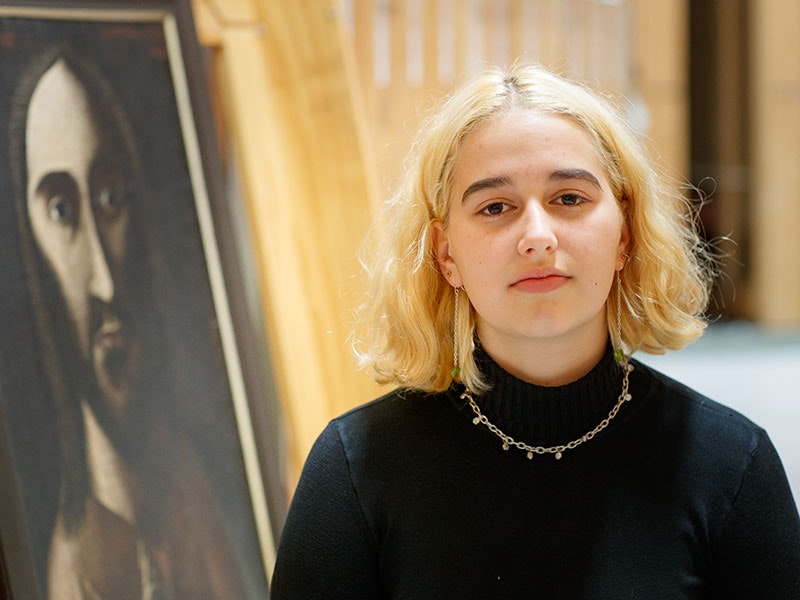
“The themes in his work always have a place in society – especially today where so many people are outcasts from their own countries.”
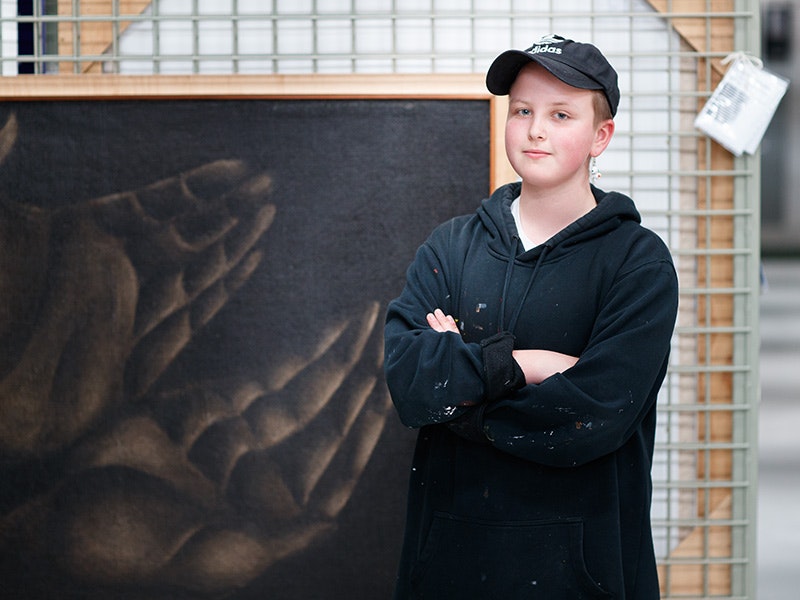
“I think much of what he paints is an expression of feelings too big for your body. He makes these things that impress upon you from the outside. That can feel better than something emerging from the inside, because there is nowhere to go if something’s inside of you.”
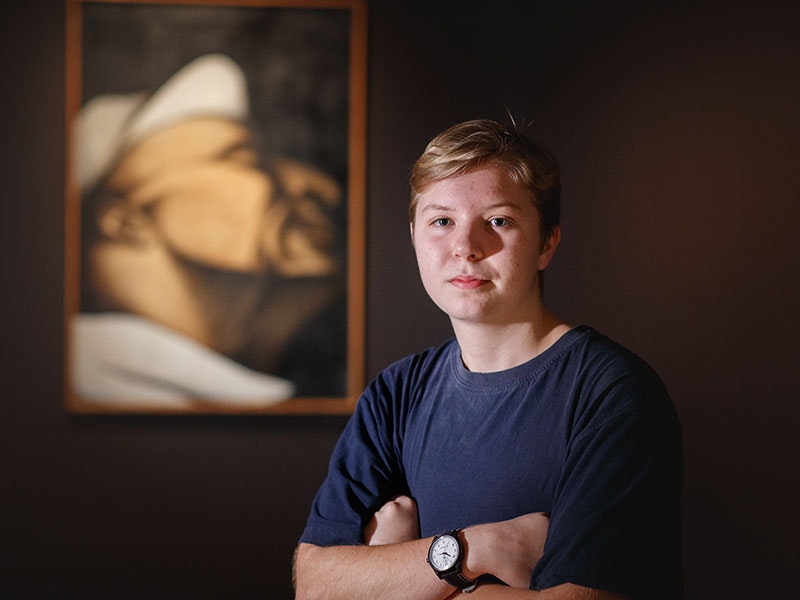
“I still kinda hate the way that they look, but I really enjoy the way that they make me think.”
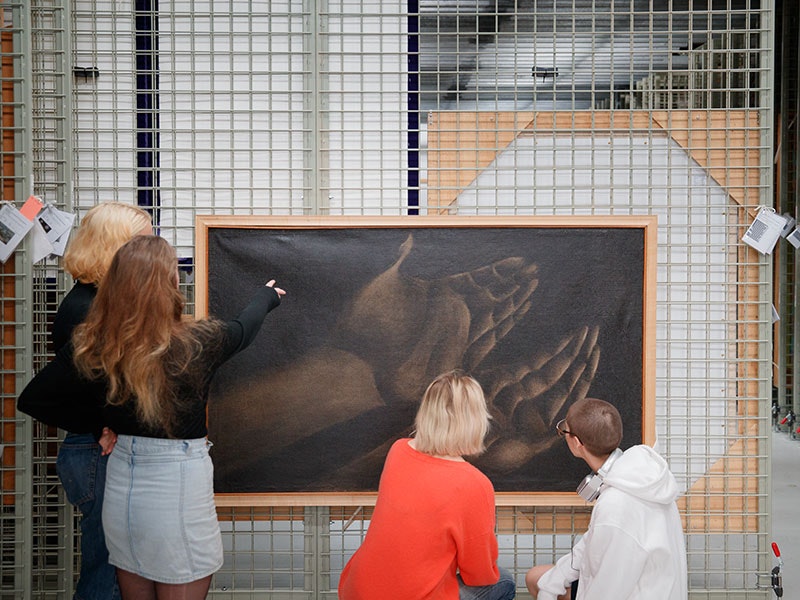
‘Tony Fomison: Lost in the Dark’ is co-created with students from Wellington High School, which involved working together across a number of creative sessions. Here, Experience Designer Chloe Johnston channels her inner teen.

Te Papa’s kids’ audio guide, Tell Me a Picture, was made by children for children. But kids aren’t the only ones who enjoy the fascinating, funny, and poignant perspectives it offers.

Is of a fish! Have fun with words: follow these instructions to create your own dadaist poem, using things you are likely to have at home.
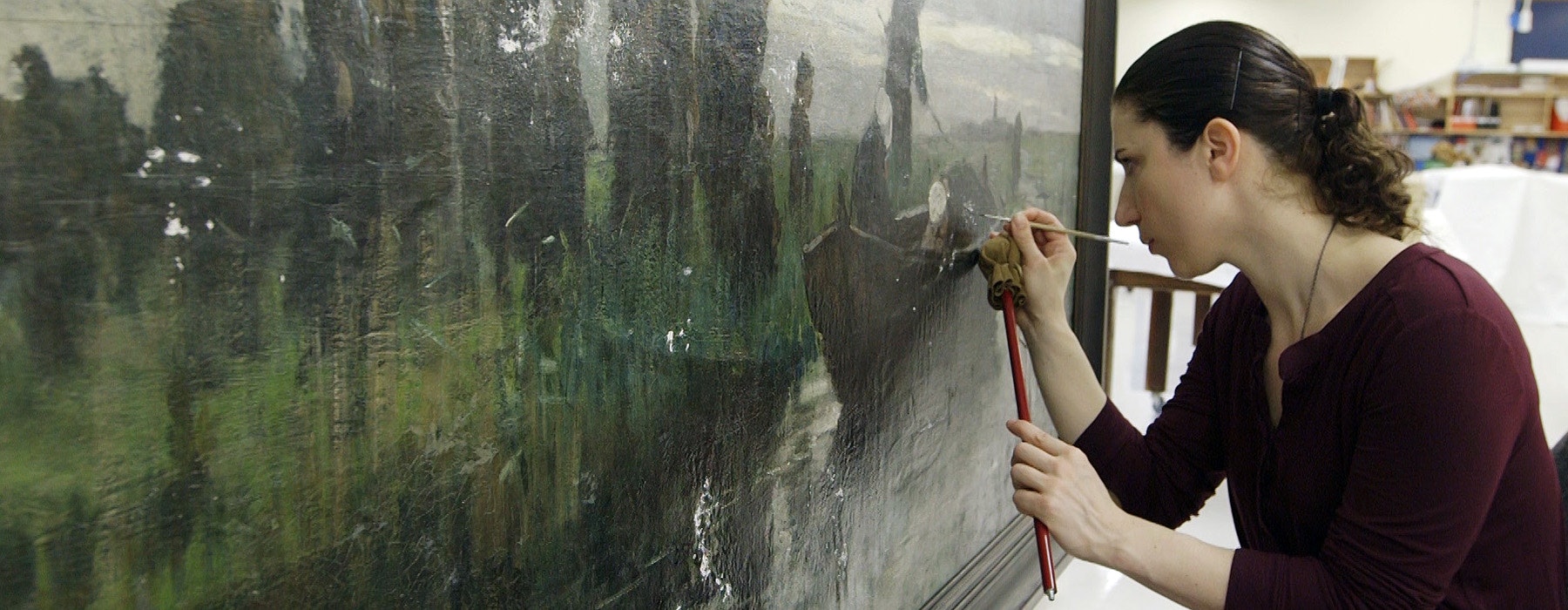
Find out about discoveries behind paintings, conservation techniques, timelapses of exhibition installations, and what an art collection manager’s job is like.

In 2011, Te Papa conservators Melanie Carlisle and Katherine Campbell undertook the conservation of Poedua [Poetua], daughter of Oreo, chief of Ulaietea, one of the Society Isles, a 1785 painting by John Webber. This blog series offers insights into what knowledge and steps are required during a conservation treatment.
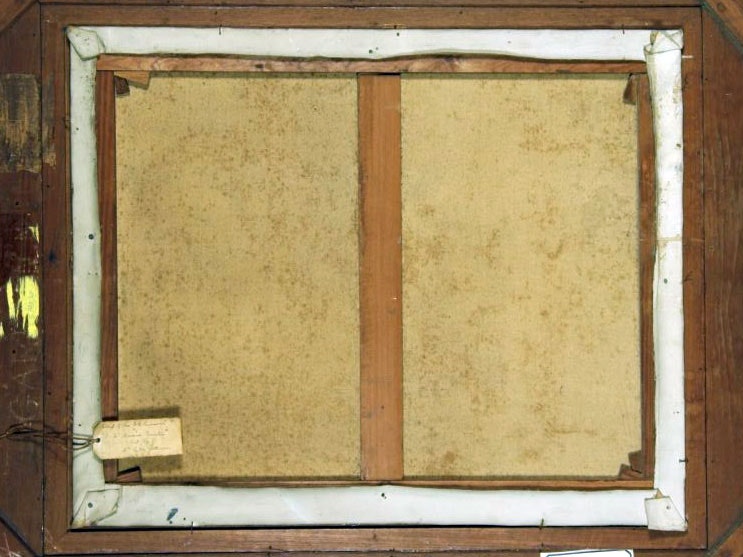
Conservator Paintings Linda Waters writes about what the back of a painting can tell you.

Art collection manager Anna Brookes shares with us what she gets up to day to day and her tips for getting into the industry.
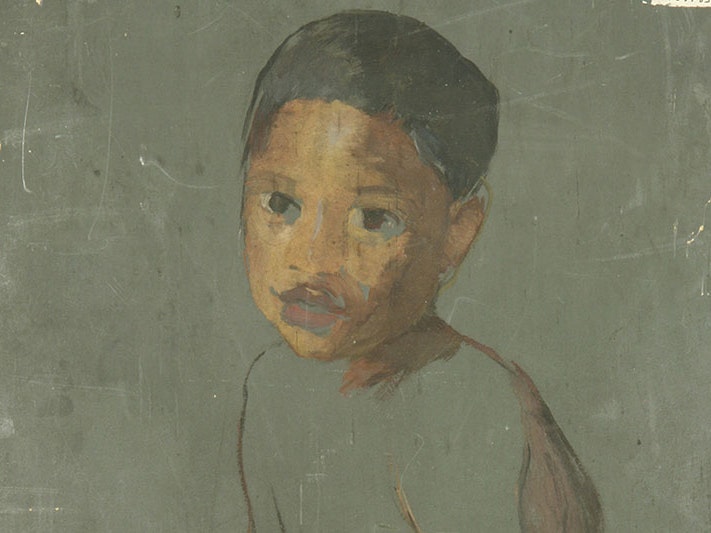
Wilhelm Dittmer, Taketake (Wanganui chief), about 1904, oil on cardboard. Gift of Alexander Turnbull, 1916. Te Papa (1992-0035-1686)
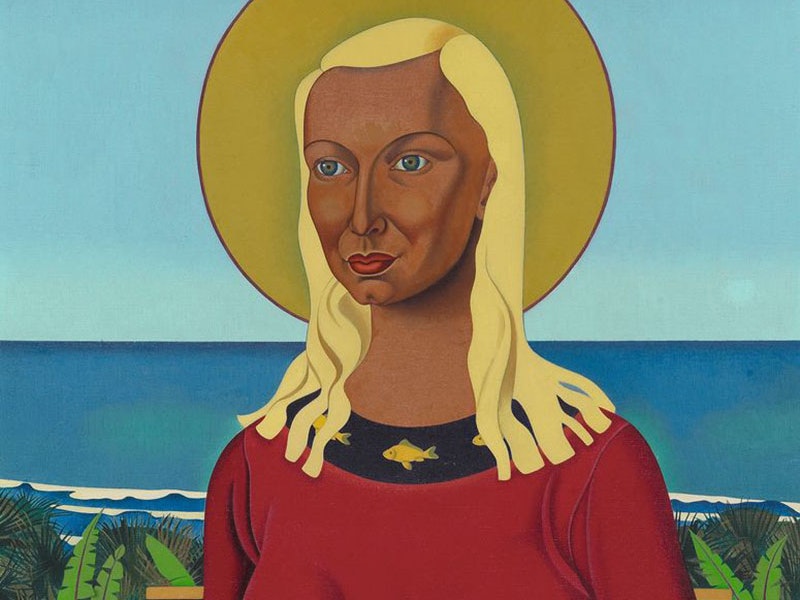
Rita Angus’s painting, Rutu, is one of Aotearoa New Zealand’s most iconic portraits. Here, Conservator Paintings Linda Waters reveals some of the hidden histories she learned while preparing Rutu for exhibition.
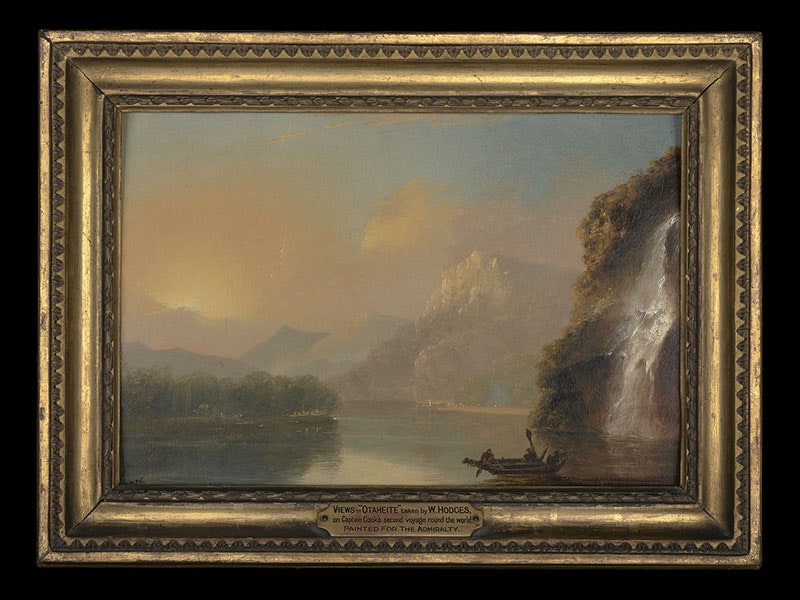
In April 2019, Te Papa acquired a rare, early oil painting by William Hodges, artist on Captain Cook’s second voyage, titled Waterfall in Dusky Bay with Maori Canoe. Here, Te Papa tour host Bill Whelen reflects upon his journeys into Dusky Sound, and finding the exact location of Te Papa’s newly acquired painting.

Three-dimensional painting, thousands of fluttering, colourful strands. Hundreds of thousands in fact. Spatial designer Vioula Said and exhibition preparator Sam Wallis run you through what went into bringing it to life.

For over 25 years, Guy Ngan’s large-scale Forest in the sun (1976) hung in the Beehive before being gifted to our collection. Conservator Textiles Anne Peranteau talks about the prep work involved in its conservation, as well as the artwork’s weavers Joan Calvert and Jean Ngan.

Hear the story of Auguste Rodin’s “Eve”, and the conservation work that went into making her ready for display, to tour New Zealand in 2019.

Books about the national art collection, photography, biography, exhibition catalogues and more.