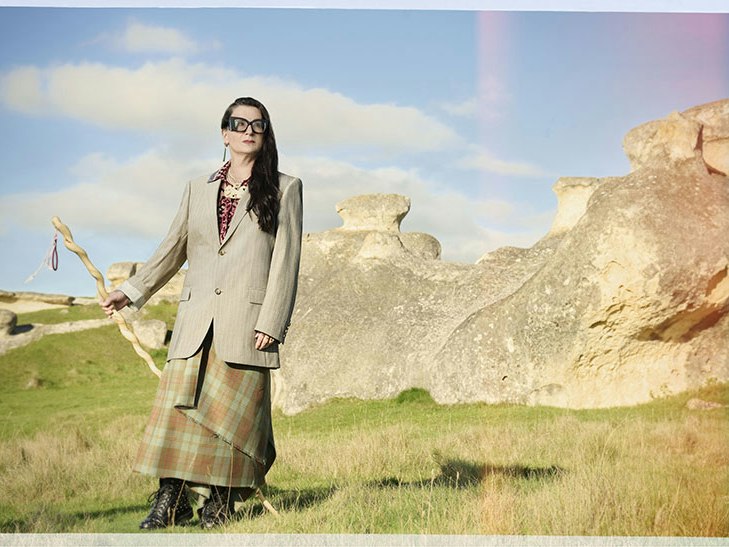
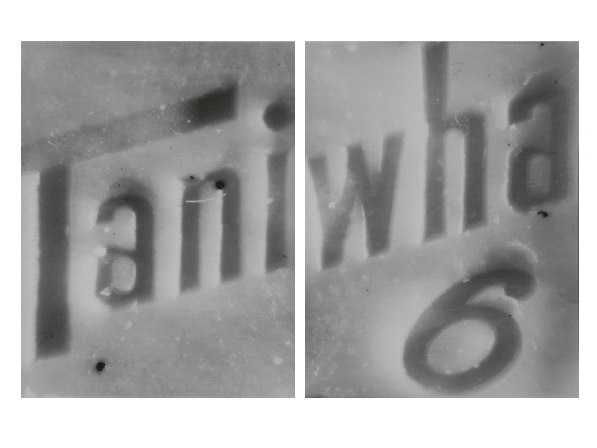
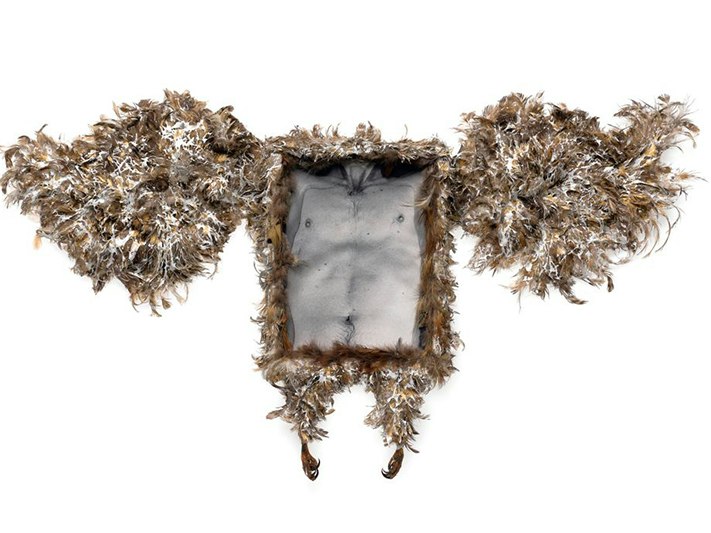
Fiona Pardington’s photography is shaped by her Ngāi Tahu whakapapa, te ao Māori and a deep curiosity for the stories that objects, people, and places can hold. Through careful research and technical skill, her work invites us to reconsider history, memory, and our relationships with the natural world.
Her practice explores recurring themes of time, loss, identity, and the legacy of colonialism, shaping the way she approaches each body of work she has produced. Learn more about those themes and influence below.
Wā: Time
A strong awareness of time runs through Pardington’s photography. She captures moments that are passing, fading, or already gone – dying flowers, bruises, museum taoka, and extinct birds.
Photography becomes a way of holding memory while reminding us that time continues to move forward.
I felt drawn to photography because of its ability to bring the past into the future. A photograph moves into the future in a way that we can’t. – Fiona Pardington
Loss and remembrance sit at the heart of Pardington’s practice.
Her early still-life photographs explored cycles of life and death through flowers and plants. More recently, taxidermied birds and museum collections have become symbols of ecological loss, cultural disruption, and memory.
It’s been killed. It’s been stuffed, and sometimes it’s extinct. There's levels of grief that you feel. – Fiona Pardington
Through flowers, taoka, and extinct manu, Pardington asks us to consider what has been lost and how those histories continue to shape the present, and could inform our futures.
Left: Heavy penance, Fiona Pardington; photographer; 1992. Purchased 2008. Te Papa (O.031429); Right: Choker, Fiona Pardington; photographer; 1994; Auckland. Purchased 1999 with New Zealand Lottery Grants Board funds. Te Papa (O.018723)
Representation and power
Pardington's photographs are visually striking, but they also challenge viewers to reflect on power, colonial histories, identity, sexuality, and violence. Her work demonstrates a keen awareness of the power of the gaze: who is looked at, who does the looking, and how photographs shape the way people, taoka, and other subjects can be understood.
Speaking about her series Tainted Love (1994), she explains:
I don't deliberately set out to make images that are 'transgressive' or difficult... but viewers are confronted with issues that they become aware of through their own reaction. – Fiona Pardington
Museums and the taoka they hold
Museums and their practices of collecting, categorising, and exhibiting provide an important context for understanding Fiona Pardington's work.
Many taoka entered museum collections during the colonial period, often becoming separated from the people, places, and relationships that give them meaning through whakapapa. Pardington is drawn to this sense of disconnection and the stories that have been diminished or lost through these processes. For example, hei tiki were collected by museums around the world, often without recording their histories or the communities to whom they belonged. Likewise, many manu were preserved as scientific specimens rather than protected as living beings.
Through photography, Pardington reconsiders these collections. Rather than presenting taoka and manu as museum objects, she creates portraits that acknowledge their mana, whakapapa, and enduring cultural significance, inviting viewers to encounter them as subjects rather than specimens.
Her photographic practice is also informed by tikanga Māori. Before photographing each manu, she performs a karakia to acknowledge its mana and establish a respectful relationship with the bird.
By using strategic lighting and angles I am trying to draw out their charisma, to free them from the constraints of being mere objects. – Fiona Pardington
Manu: More than just birds
Within te ao Māori, manu are connected to people, ancestors, spirituality, and the natural world. They can act as messengers, symbols of loss, and reminders of our relationship with the environment. Through her photographic process and cultural practice, preserved manu are transformed from scientific specimens into ancestors, messengers, and cultural beings connected through whakapapa.
The world over, something we have in common is a relationship to birds within our mythological systems and storytelling. Birds are often messengers. – Fiona Pardington
Artistic technique
Portraiture and Scale
Rather than photographing birds and taoka as museum specimens, Pardington approaches them as portrait subjects.
By using portraiture, she encourages viewers to encounter them as individuals with their own histories and connections. Her large-scale prints also transform how we physically and emotionally relate to the subject.
I wanted to scale them up spiritually as well. – Fiona Pardington
Reflected landscapes: Memory in the eyes of manu
In Taharaki Skyside, archival photographs of Aotearoa landscapes are reflected within the eyes of each manu, connecting the birds to their kāinga (homes and habitats), including forests and wetlands that have been changed or lost. These reflections link past and present, reminding viewers of environmental loss and our shared responsibility to protect what remains.
Left: The manu in the collection; Middle: Fiona Pardington, North Island kōkako, Callaeas wilsoni, albino, Remutaka Range, 30 June 1883; collection of the Museum of New Zealand Te Papa Tongarewa (OR. 000167); Right: Fiona Pardington,detail of North Island kōkako, Callaeas wilsoni, albino, Remutaka Range, 30 June 1883; collection of the Museum of New Zealand Te Papa Tongarewa (OR. 000167)
Qualities of Light
Pardington's dramatic use of light is inspired by the Baroque painter Caravaggio.
That whole idea of light coming from within... I'm a big Caravaggio fan. – Fiona Pardington
Strong contrasts between light and shadow create images that appear to glow from within, while dark backgrounds create space for contemplation. Through digital post-production, some works also take on painterly qualities, connecting photography with historical painting traditions.
Restoring Presence
I'm looking for that life force that was already there... Photographing the birds feels like bearing witness. That's the power of photography. – Fiona Pardington
Throughout her practice, Pardington uses photography to restore dignity, presence, and connection Is evident.
Through cultural knowledge and careful choices around lighting, scale, and portraiture, the preserved manu and other taoka are freed from their museological imposed definitions as specimens or objects. They become subjects with histories, relationships, and whakapapa.
Through her cultural lens and technical approach, Pardington creates photographs that ask us to reflect on memory, responsibility, loss, and our relationships with the natural world.
Kia kitea akeDiscover more
Find out more about Fiona Pardington’s art, the Taharaki skyside exhibition at Venice 2026, and the powerful Manu found in these artworks.
Step into the work of renowned Māori photographer Fiona Pardington and you'll discover images that are beautiful, haunting, and deeply contemplative. Her photographs invite us to see familiar objects and themes in new ways – not as disconnected artefacts, but as powerful messengers of whakapapa (ancestry), history, and symbolism.