







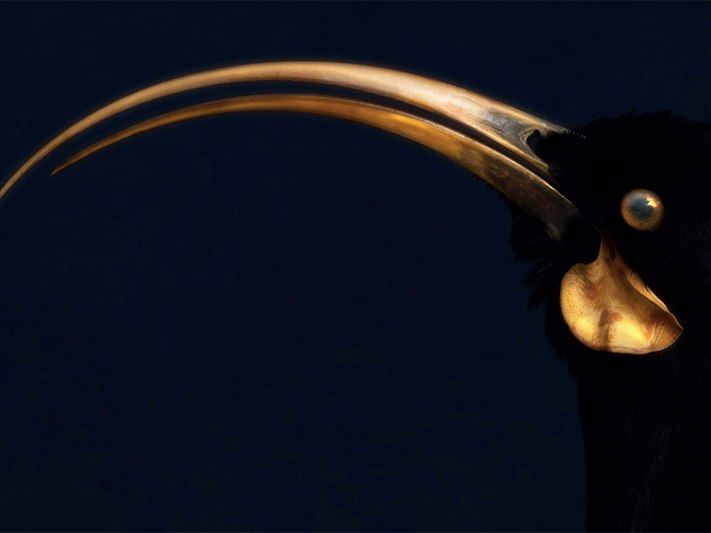
Meet the manu in Taharaki Skyside
Learn more about the native manu behind Fiona Pardington’s Taharaki Skyside. Each is unique, culturally and environmentally important, and many need our protection.
Free museum entry for New Zealanders and people living in New Zealand
Open every day 10am-6pm
(except Christmas Day)
Free museum entry for New Zealanders and people living in New Zealand
Kākāpō, Anchor island. Science and Matauranga Māori field trip to Dusky Sound Tamatea, 2016. Photo by Jean-Claude Stahl. Te Papa (155578)
Female kākāpō (Source: Department of Conservation CC BY 4.0)
Territorial kākāpō male (Source: Department of Conservation CC BY 4.0)
They live on the forest floor, nesting in ground burrows and climbing trees for seasonal fruit.
Threatened – Nationally Critical
Vulnerable to introduced predators, low breeding success, disease.
Kākāpō behave like no other parrot on earth; they are large, flightless, nocturnal, and lek-breeders (males gather in communal arenas to perform elaborate visual and acoustic displays to attract females.)
Each kākāpō has its own personality, some cheeky, grumpy, active or greedy. In 1912, scientist Frederick Hutton wrote of kākāpō: “Its intelligence commands respect, and its helplessness sympathy, while its genial nature endears it to all who know it well. It repays kindness with gratitude, and is as affectionate as a dog, and as playful as a kitten.”
Despite their critically endangered status, there are no kākāpō living in permanent captivity today. In 2026, an astounding 90 chicks survived into adulthood, bringing the count to roughly 325 adult individuals alive, every single bird lives in the wild – on carefully managed, predator-free offshore islands or fenced mainland sanctuaries. Each adult bird has a name, a known ancestry, and wears a radio transmitter backpack to track their location and wellbeing.
The name ‘kākāpō’ combines kākā and pō as ‘parrot of the night’ in te reo Maori.
He werewere kōkako. He waowao kākāpō
An astute person attracts the multitudes
This whakatauākī was composed by Puke Timoti (Ngāi Tūhoe), and refers to great speakers and knowledge holders who people rally around or ‘flock’ to.
Learn more about the native manu behind Fiona Pardington’s Taharaki Skyside. Each is unique, culturally and environmentally important, and many need our protection.
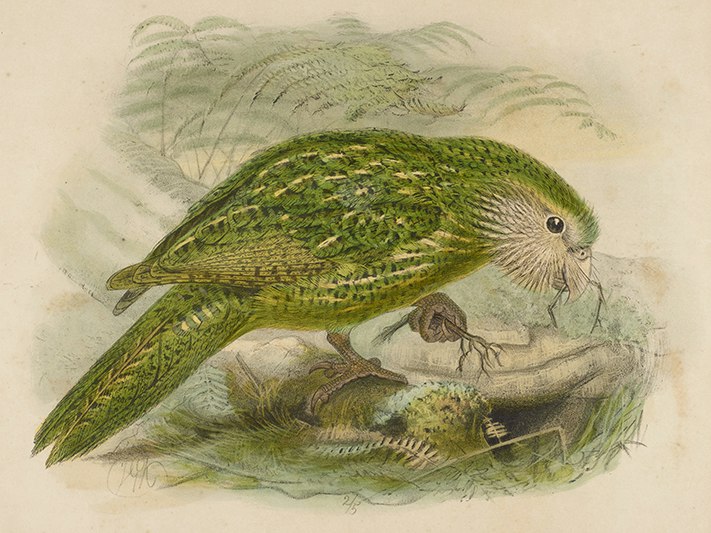
Explore the kākāpō through scientific specimens and artwork, ranging from eggs and skeletal remains to taxidermy mounts and study skins gathered across Aotearoa New Zealand. Alongside the physical birds, the collection includes 19th-century lithographs, historic illustrations, field photography, and articles documenting the extraordinary life and conservation efforts behind the world’s heaviest parrot.
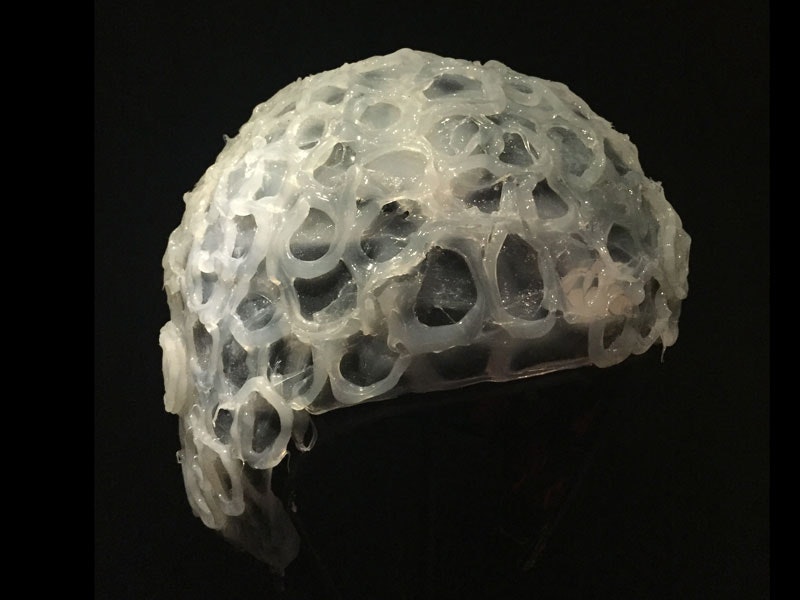
Kākāpō fan Jeremy Wells knew that the species’ idiosyncratic sexual appetites were a threat to its survival, but hadn’t seen the ingenious solution known as the kākāpō ejaculation helmet.