

Free museum entry for New Zealanders and people living in New Zealand

LGBTQI+ histories of Aotearoa New ZealandKōrero takatāpui ki Aotearoa

Explore queer objects, artworks, and stories in Te Papa’s collections and discover more about the rich histories of Aotearoa New Zealand’s LGBTQI+ communities and icons – including the AIDS Quilt, Carmen Rupe, and Xena: Warrior Princess.

This is an ongoing online project. If you have any suggestions for stories or topics that you would like see, please email enquiries@tepapa.govt.nz.

New to the digital LGBTQI+ history collection

Enjoy the newest additions to the Te Papa digital collection of LGBTQI+ histories of Aotearoa New Zealand.

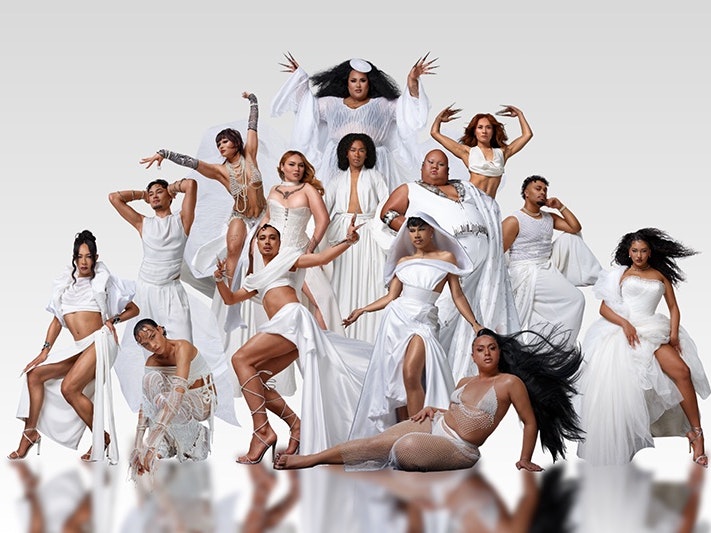
  • 14 people dressed in glamourous style and in white are posing in a group. Some are standing, some are crouched, one is sitting on the ground.

    Performance - Dance and Drag histories

    Learn about the history of Ballroom, Vogue traditions and Drag culture in Aotearoa. House Marama, OVĀ Collective and historian Chris Bricknell share the history of iconic performers and their cultural influence.
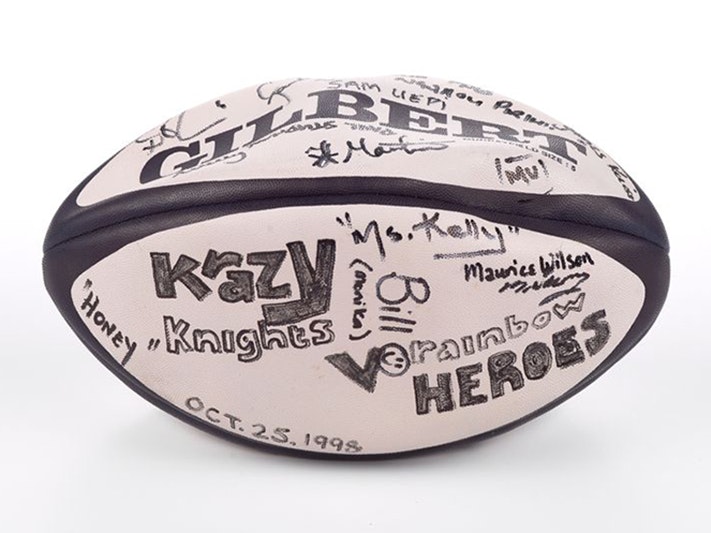
  • Ink signatures on a black and white, vinyl, 'Gilbert' brand rugby ball. Large block letters read "Krazy Knights v Rainbow Heroes" alongside a smiley face and the date  "Oct.25.1998". Visible signatures include "Honey", "Ms. Kelly", "Bill (Monika)", Maurice Wilson" and " Mu".

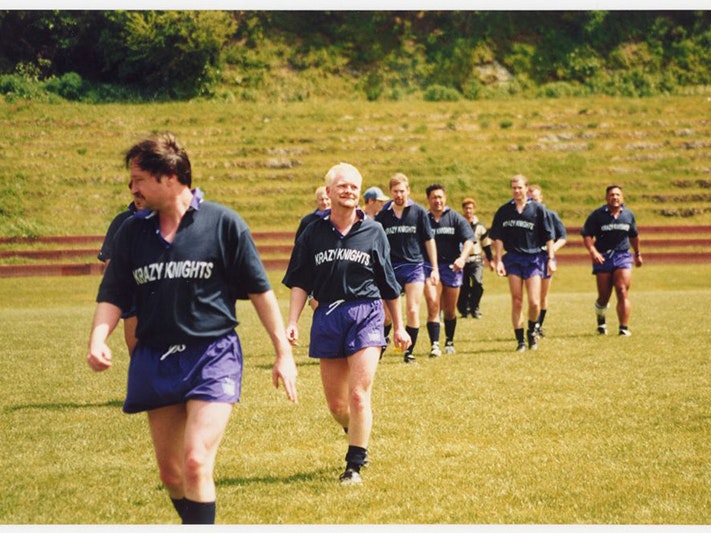
    Queer sport and recreation

    Participation in sport is not only about competition. It can be about finding ways to connect, to belong, and to be recognised, especially for queer community.

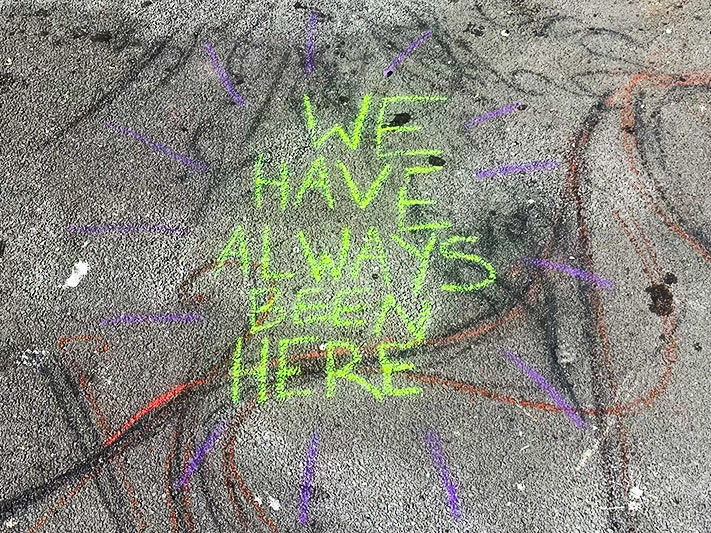
  • Lime green chalk writing on pavement. Text reads We have always been here. in uppercase block letters

    We have always been here

    Historian Will Hansen explores some of the many forms of trans resistance throughout history, illustrated by objects held in Te Papa collections.

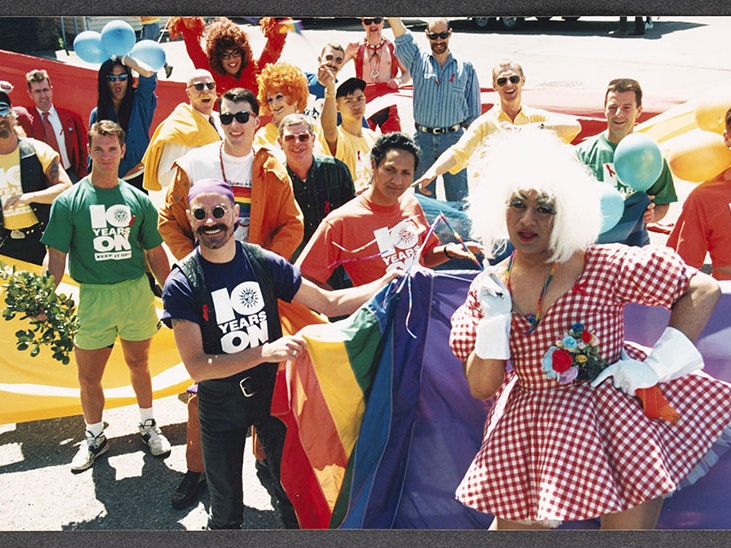
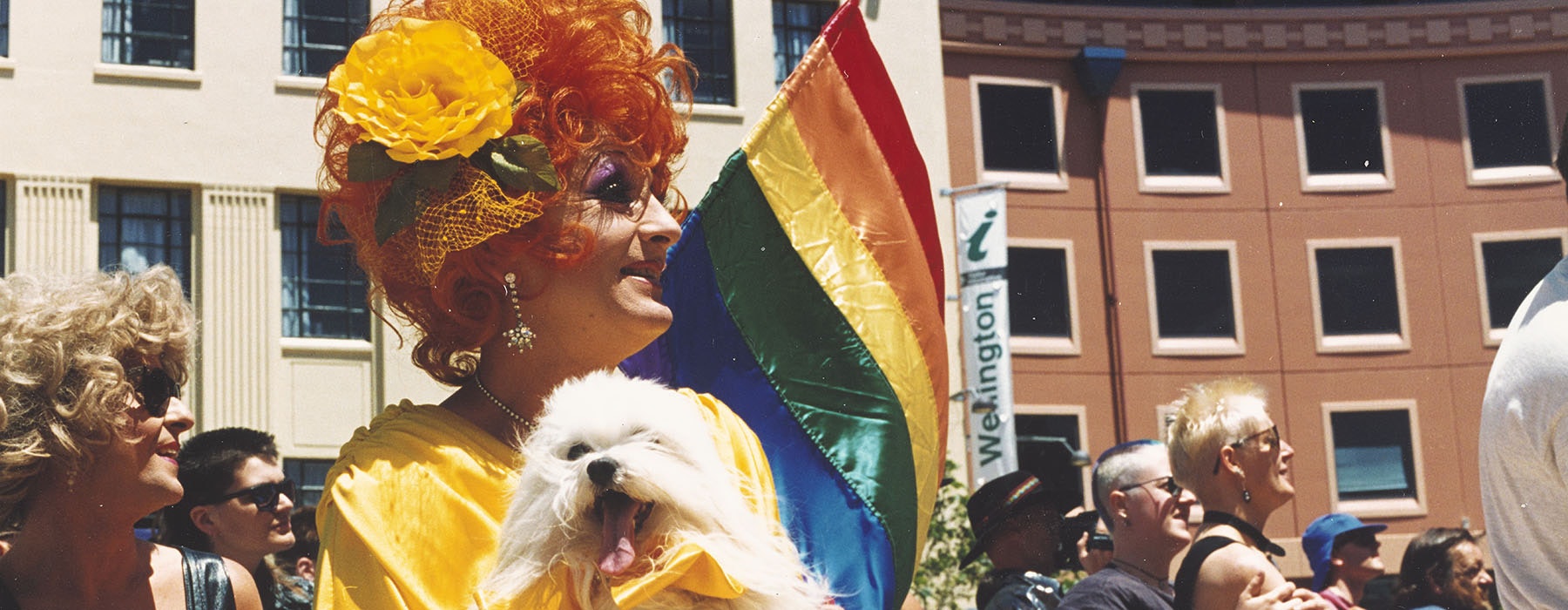
  • Group of people in an assortment of of costumes stand in a parade holding the rainbow flag

    A history of pride in Aotearoa New Zealand

    Historian Will Hansen explores the origins of pride in Aotearoa New Zealand, and documents tensions between celebration and protest, and at times, the necessity for both.

Gilbert Baker created the rainbow flag in 1978. He originally chose 8 colours and assigned the following symbolic meanings: pink for sexuality, red for life, orange for healing, yellow for sunlight, green for nature, turquoise for magic and art, indigo for peace and harmony, and purple for spirit.

Our LGBTI+ histories collection is loosely grouped according to these themes.

    Art and magic

    Queer art and artists make our community magic.

    The turquoise and pink stripes in the Gilbert Baker 1978 Rainbow Flag were later removed in when the flag went into mass production in 1979, as the dye was difficult to come by.

    • 14 people dressed in glamourous style and in white are posing in a group. Some are standing, some are crouched, one is sitting on the ground.

      Performance - Dance and Drag histories

      Learn about the history of Ballroom, Vogue traditions and Drag culture in Aotearoa. House Marama, OVĀ Collective and historian Chris Bricknell share the history of iconic performers and their cultural influence.
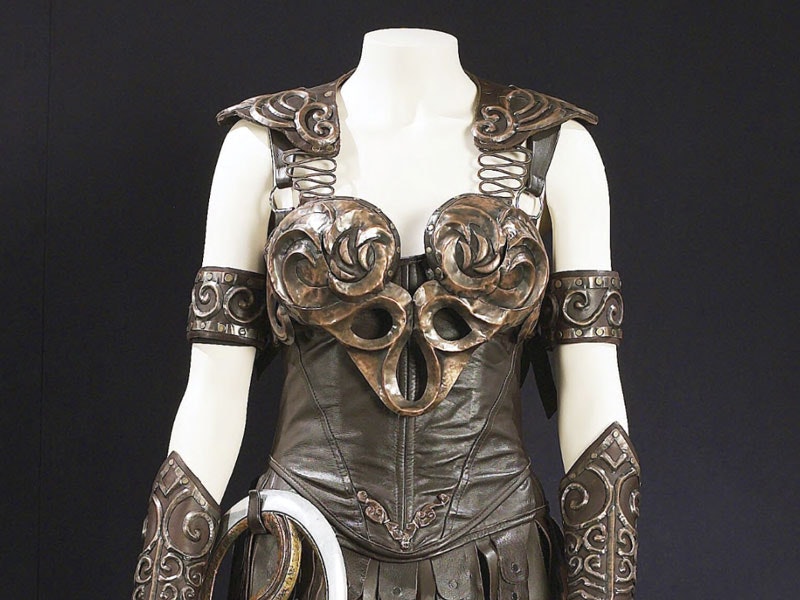
    • Xena's outfit

      Fabulous fashion - stories of LGBTQI+ fashion in Aotearoa

      Fashion and accessories have been an effective form of protest, communication, and self-expression for LGBTI+ and queer communities. LGBTI+ and queer communities use fashion through history to both signal identity and affirm it.

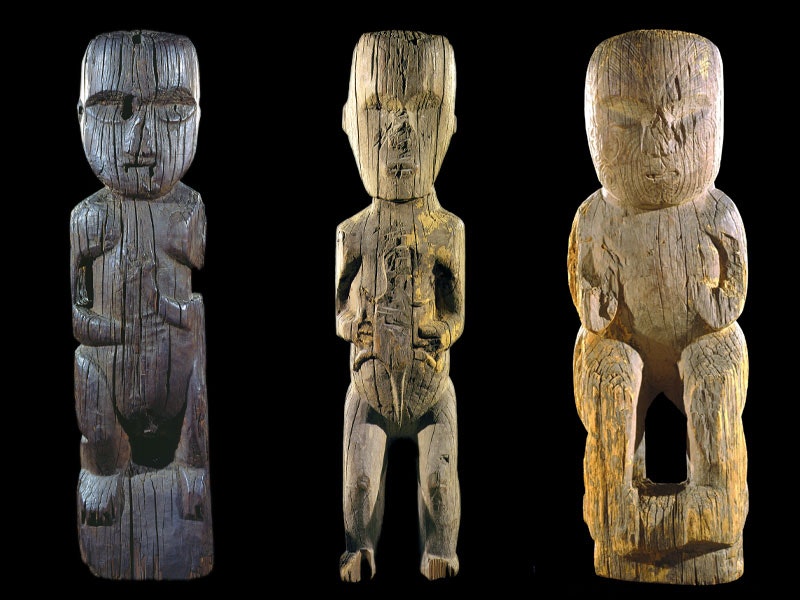
    • Three pou kātua, depictions of persons carved into wooden posts

      Poetry

      Gender and sexuality is a dialogue between us and the world, the culture, the community we inhabit. Poetry plays with form and potential, expressing nuance everyday normative language may fail to capture. Explore these works from poets from the LGBTQI+ community inspired by taonga in Te Papa collections.

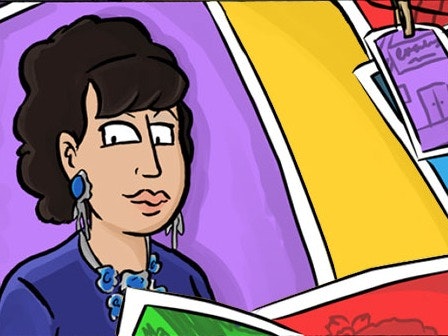
    • An illustrated comic panel showing a rainbow of photos. The foreground photo is a head and shoulders portrait of a smiling Chrissy Witoko with brown curly hair and a fringe, silver dangly earrings with a large blue stone, and a matching necklace over a blue top. Some photos pegged on a line to dry in the background.

      Photography, illustration and visual arts

      Through art, LGBTQI+ communities make the invisible visible. LGBTQI+ artists share their histories, experiences and stories through visual mediums of painting, photography and digital illustration.

    • Turquoise: Art and magic

      Turquoise is the stripe of the Gilbert Barker rainbow flag symbolising art and magic. Browse this section to find art by our community, for our community. From poetry, photography, illustration, to fiber arts, fashion and vogue ballroom.

    Nature and sunlight

    The green stripe in Gilbert Barkers Rainbow Flag represented nature, while the yellow represents sunshine. Explore our nature and the people who bring sunlight into our lives by celebrating our trans and indigenous whānau.

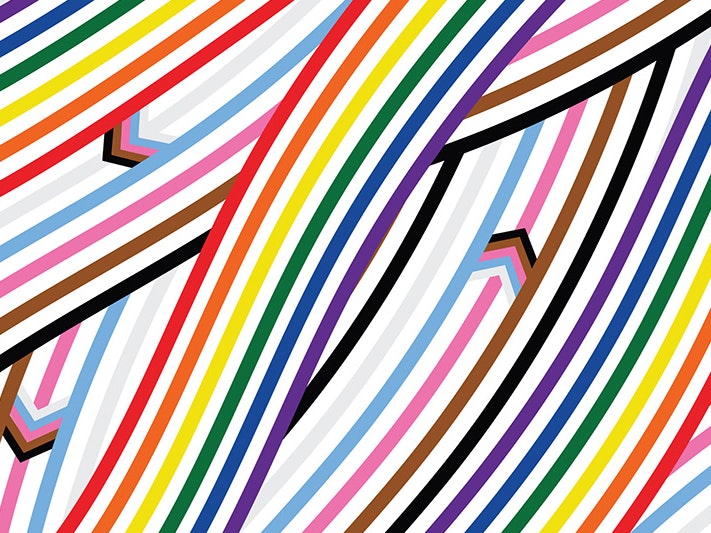
    • A rainbow of stripes curve and overlap to symbolise te awa (river) current, with arrows swimming like ika (fish) through the colours. Each colour evokes the Progressive Pride flag, with the 6 bold stripes from rainbow pride flag, the white, pink and blue from the transgender flag, yellow and purple from the intersex flag and stripes of brown and black to represent marginalised People of Colour.

      Takatāpui

      Takatāpui is a traditional Māori term meaning ‘intimate companion of the same sex.’ It has been reclaimed to embrace all Māori who identify with diverse genders, sexualities and sex characteristics such as whakawāhine, tangata ira tāne, lesbian, gay, bisexual, trans, intersex, non-binary and queer.

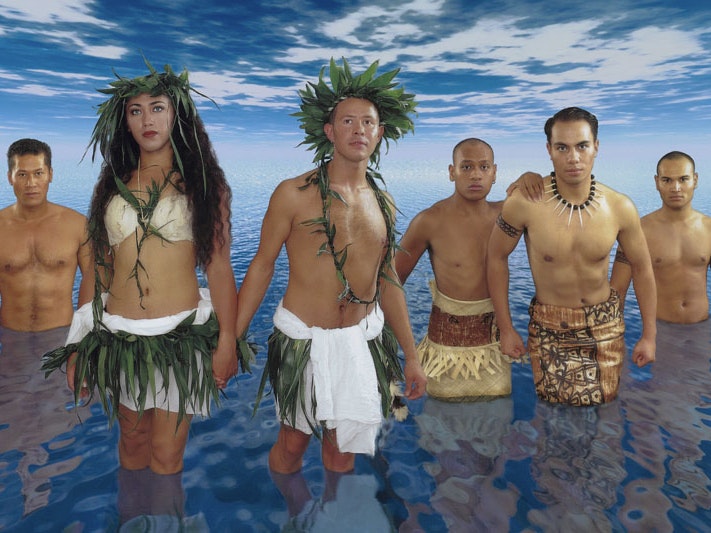
    • Crop from a poster featuring six people in traditonal Pacific clothing standing in a vast expanse of water with a vast sky above them.

      Rainbow Pacific Peoples

      Mahu, Vakasalewalewa, Palopa, Fa’afafine, Akava’ine, Fakaleiti or Leiti, Fakafifine have been part of families from all over the Pacific for a long time. The term MVPFAFF+ was coined by Phylesha Brown-Acton, to centre and bring forward discussions that include Rainbow Pacific peoples and the terms they identify with.

    • 22 small brown, gold capped vials with white labels are scattered across a white, pink and blue striped transgender flag. A headband with foam pink, white and blue roses lies next to the white, rectangular box of Reandron, a common testosterone hormone replacement therapy.

      Transgender

      Transgender people and communities are taonga. Explore taonga involved in the making of trans histories.

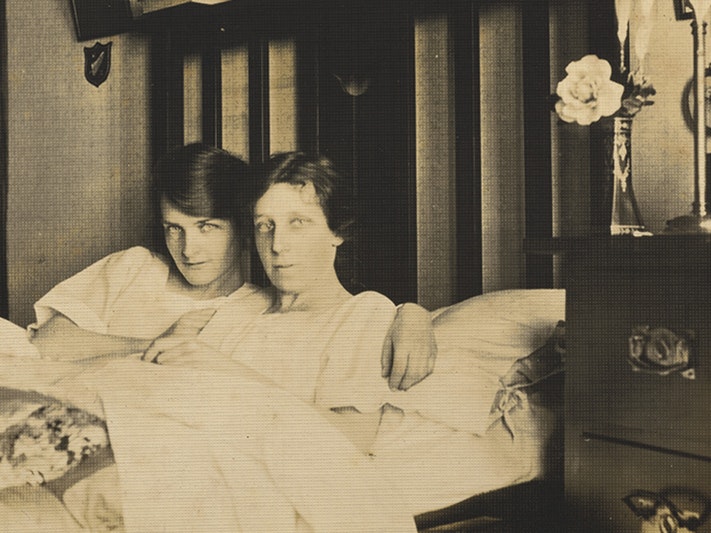
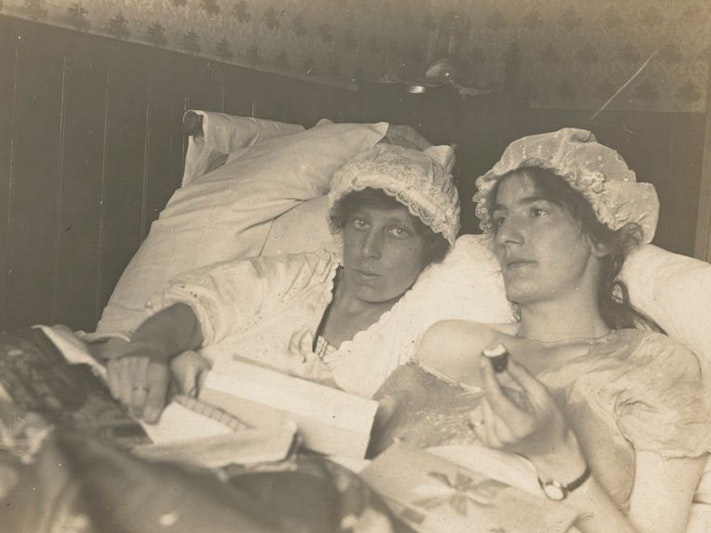
    • Sepia toned photograph of 2 dark haired women in bed together, looking directly at the viewer. Both wear night gowns and cuddle under a quilted duvet. Kath Whelan (left) has a side swept fringe and a slight smile. Daisy Tinny (left) has a neutral expression. Kath's arms are around Daisy Tinney's shoulders. A flower in a glass vase sits atop a bedside dresser.

      Lesbians

      "A day without lesbians is a day without sunshine" is a popular protest slogan in support of Lesbian rights. Explore the sunshine of lesbians related taonga in the Te Papa collections.

    Healing

    Rainbow bodies and minds interact uniquely with health and wellbeing due to social and institutional challenges. Discover more about LGBTQI+ histories around the AIDS pandemic, sexual wellbeing and mental health.

    • Ink signatures on a black and white, vinyl, 'Gilbert' brand rugby ball. Large block letters read "Krazy Knights v Rainbow Heroes" alongside a smiley face and the date  "Oct.25.1998". Visible signatures include "Honey", "Ms. Kelly", "Bill (Monika)", Maurice Wilson" and " Mu".

      Queer sport and recreation

      Participation in sport is not only about competition. It can be about finding ways to connect, to belong, and to be recognised, especially for queer community.

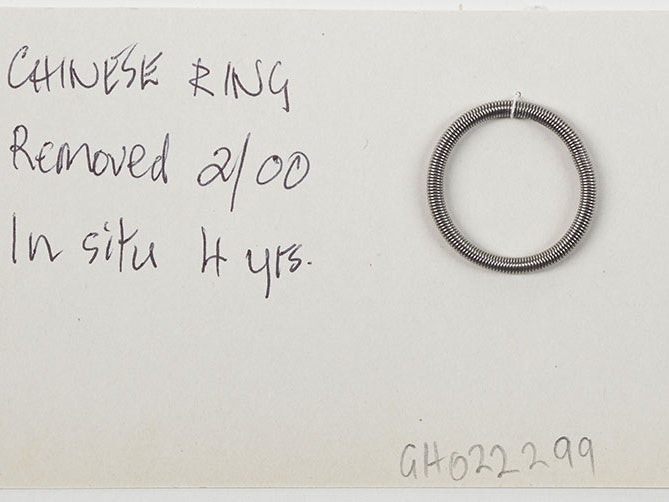
    • Piece of paper with the words ‘Chinese ring, removed 2/00, in situ 4 years’ and a coiled ring attached to it

      Ring fishing

      “I don’t know why I’m drawn to this object so much, but a silver ring fished out of your womb feels romantic.”

      Vanessa Mei Crofskey offers personal reflections inspired by a Chinese intrauterine device (IUD) in Te Papa’s History Collection.

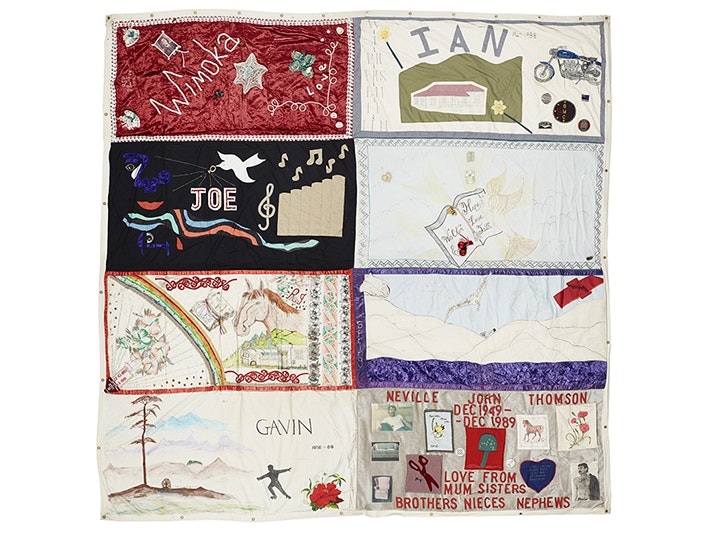
    • A patchwork quilt section with names and words on it in honour of people who have died from AIDS

      AIDs memorial quilt

      The New Zealand Quilt dates from 1988 and is part of a worldwide movement that grew from communities most affected by HIV and AIDS. The Quilt concept originated in San Francisco in 1987 in response to the devastating impact of AIDS. Its intention was to raise awareness and enable loved ones to express feelings of love, loss and regret in a permanent and tangible way.

    • Orange: Healing

      In the original 8 colours of the Gilbert Barker rainbow flag, orange symbolises healing, to acknowledge the journey of overcoming past struggles.

      Rainbow bodies and minds interact uniquely with health and wellbeing due to historically embedded social and institutional challenges. Connect to taonga in Te Papa collections related to the health and wellbeing of rainbow communties.

    Life and history

    Explore the history of rainbow communities through protests, activism, symbols and words.

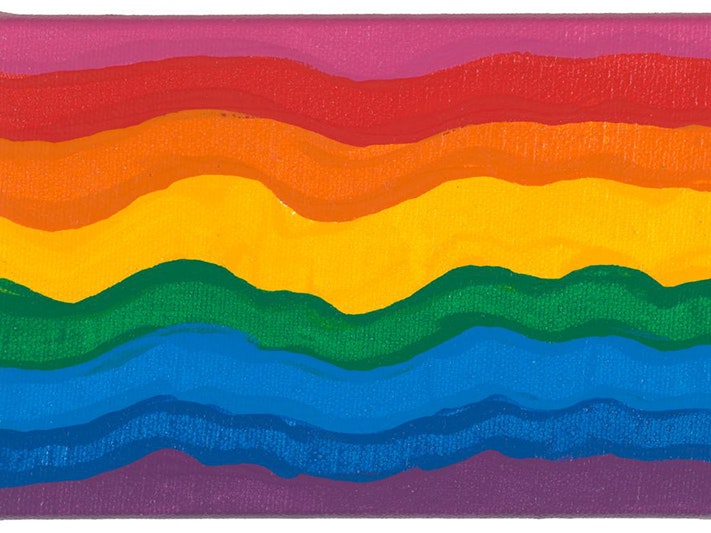
    • Wavy rainbow stripes of pink, red, orange, yellow, green, light blue, dark blue and purple acrylic paint on canvas.

      Gilbert Baker's Rainbow Flag

      Gilbert Baker designed the first Rainbow Flag in 1978. Since then, his flag has been embraced across the world as the universal symbol of pride and solidarity for lesbian, gay, bisexual, transgender, queer/questioning and intersex (LGBTQI+) communities.

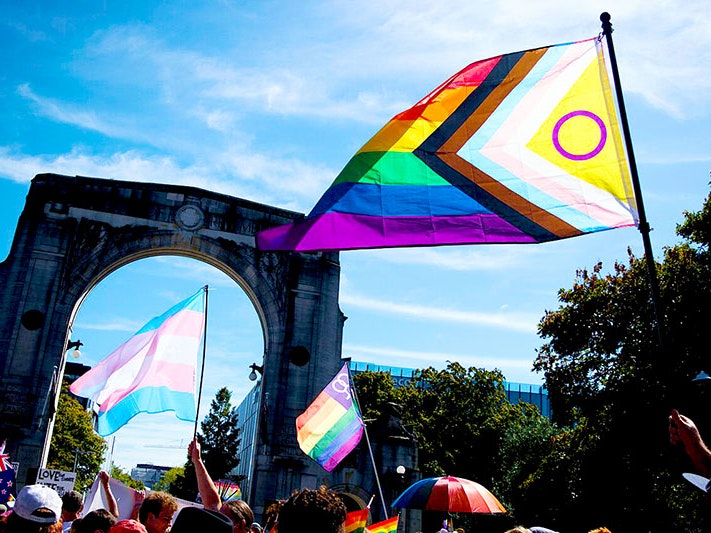
    • Crowd walks past the Bridge of Remembrance and  Memorial Arch in Christchurch on a sunny day, only the tops of their heads and hats are in frame. Upraised arms wave the Progressive Pride flag, the transgender pride flag, the lesbian pride flag, the New Zealand flag and a rainbow striped umbrella. The sun shines through the flags.

      Flags and symbols

      Pride flags and symbols celebrate the diversity of LGBTQI+ communities and call for a more inclusive society. Badges, placards, flags and pins are all ways to express ourselves, protest, show Pride, connect and make a statement, big or small.

    • Rainbow Room

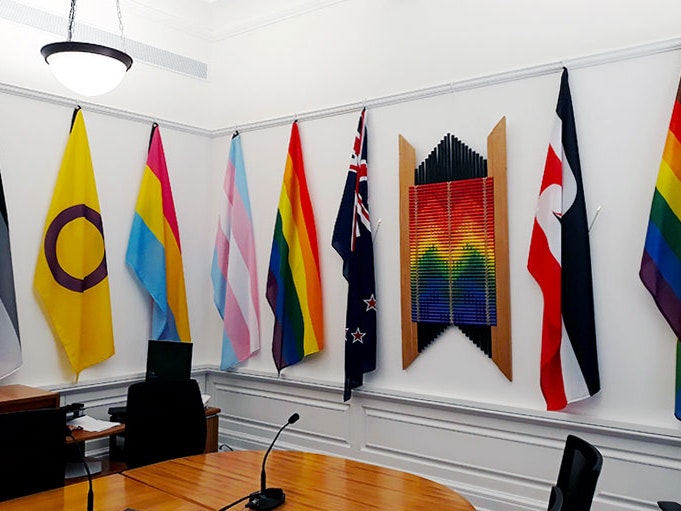
      New Zealand Parliament's Rainbow Room is a select committee meeting room dedicated to the nation’s gay, lesbian, and transgender community and to their contribution to New Zealand society.

      Watch the short documentary film "Rainbow Voices of Aotearoa New Zealand" about the opening of the Rainbow Room on the New Zealand Parliament website.

    • Red: Life and history

      The red stripe in the Gilbert Baker Flag represents life, pulsating with the energy of living authentically. Browse the whole section related to LGBTQI+ lives and histories.