

Free museum entry for New Zealanders and people living in New Zealand

Green and yellow: Nature and sunlight

In the original 8 colours of the Gilbert Barker rainbow flag, green symbolises nature and yellow symbolises sunlight. In this section you'll find stories exploring the nature of our community, our connection to te Taiao and our inner natures.

Celebrate our trans and indigenous whānau and all the people who bring sunlight into our lives.

Takātapui and tangata whenua

  • People dancing and voguing with spotlights shining on them.

    OVĀ Collective and Te Papa serve up a celebration of ballroom culture

    Thu 4 Sep 2025

    Five years after Wellington’s debut Vogue Ball, the creative capital will host its largest celebration of ballroom culture. Presented by The Kiki House of Marama, OVĀ Collective and Te Papa, a dazzling programme of events will commemorate five years of the growing Wellington Ballroom scene.

    Press release He pānui pāpāho

  • A photo of a framed photograph of Carmen Rupe with big hair, a low-cut dress with large costume jewellery, and a carpet with horses running on it hung behind her.

    Your life is important – your archive is important

    Master’s student Felix Stribling unpacks their research into Aotearoa New Zealand’s queer heritage collections and the importance of centring queer and takatāpui voices in GLAMs (galleries, libraries, archives, and museums).

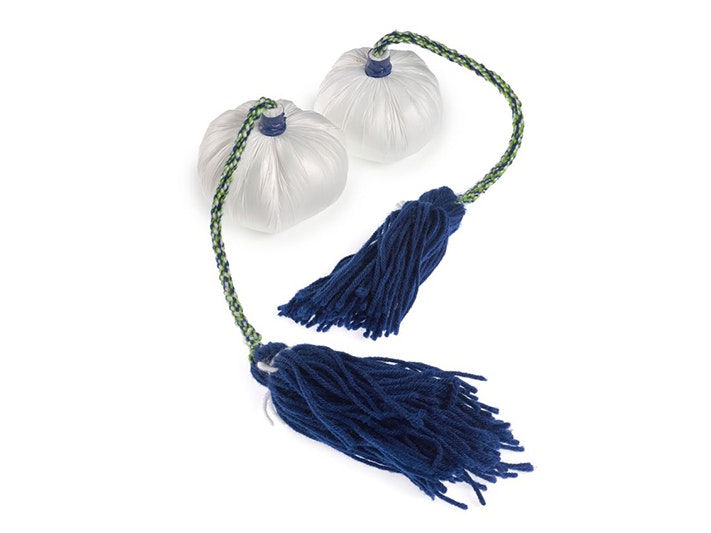
  • 2 poi made from  wool, polyethylene and plastic. The ball (pōro) is plastic, the wool tassels (hukahuka) are dark blue. The braided cord (taura) is woven blue and green wool.

Rainbow Pacific Peoples MVPFAFF+

Transgender and nonbinary whānau

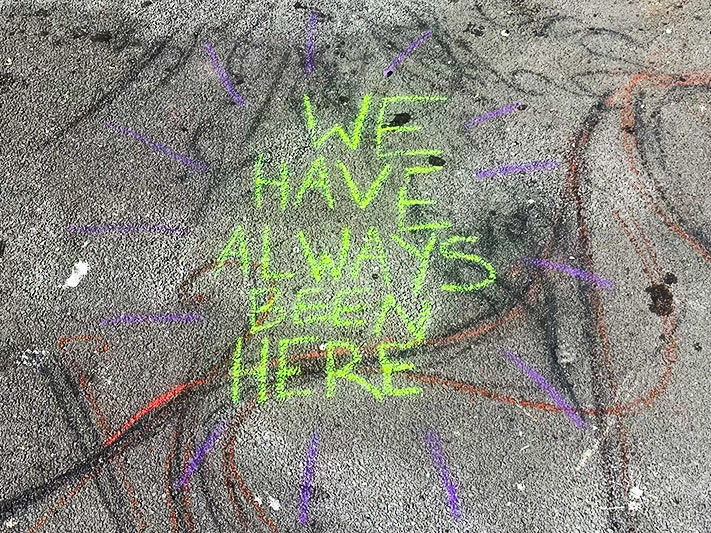
  • Lime green chalk writing on pavement. Text reads We have always been here. in uppercase block letters

    We have always been here

    Historian Will Hansen explores some of the many forms of trans resistance throughout history, illustrated by objects held in Te Papa collections.

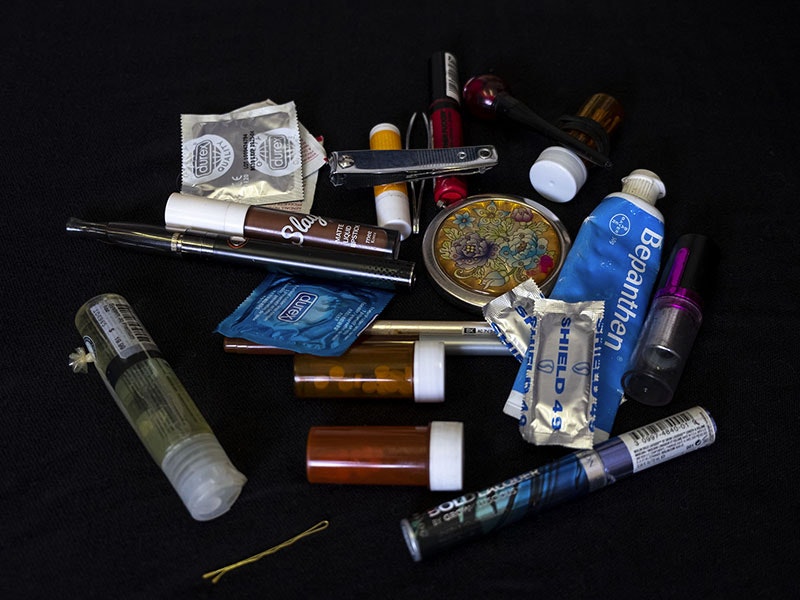
  • An array of items, including lubricant, condoms, lipstick nail clippers, pills, a hairclip, an other  things

    Trans Past, Trans Present: The Making Trans Histories Project

    Trans people from their teens to their 70s were asked to identify objects of personal importance and to share the objects’ stories. What emerged was a quirky collection that is a testament to the diversity of trans experiences, and which disrupts established (and cis-written) narratives about trans lives.

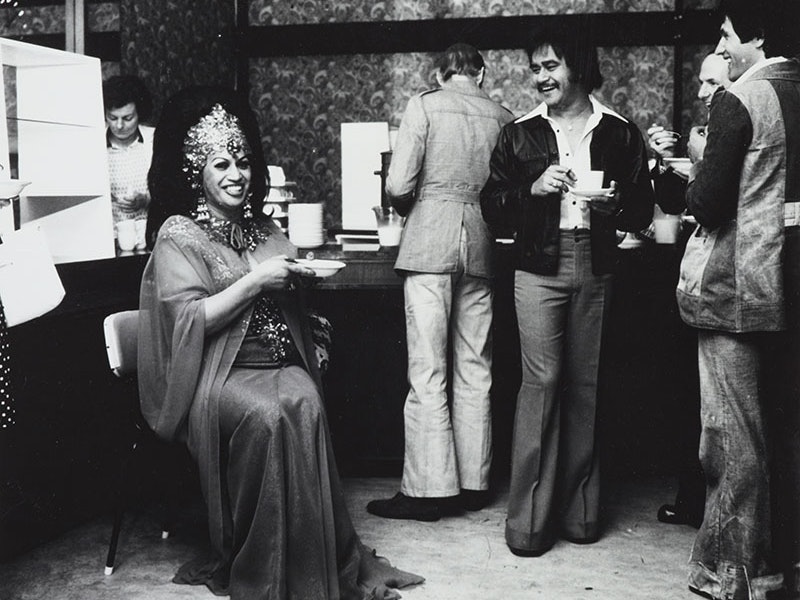
  • Carmen sits with a bowl while several men stand around with coffee cups and bowls in front of what appears to be self-serve breakfast

    Carmen’s International Coffee Lounge and the Balcony

    Carmen Rupe (Ngāti Maniapoto, Ngāti Hauā, Ngāti Heke-a-Wai, 1936-2011) was a flamboyant transgender woman, performer, business owner, and anti-discrimination activist who became a cultural icon in New Zealand and Australia.

  • Mani Mitchell's travel taonga

    This travelling collection of objects belonged to Mani Bruce Mitchell (MNZM). Each object is a touchstone of memory and symbolic power.

Lesbians

A day without lesbians is a day without sunshine.

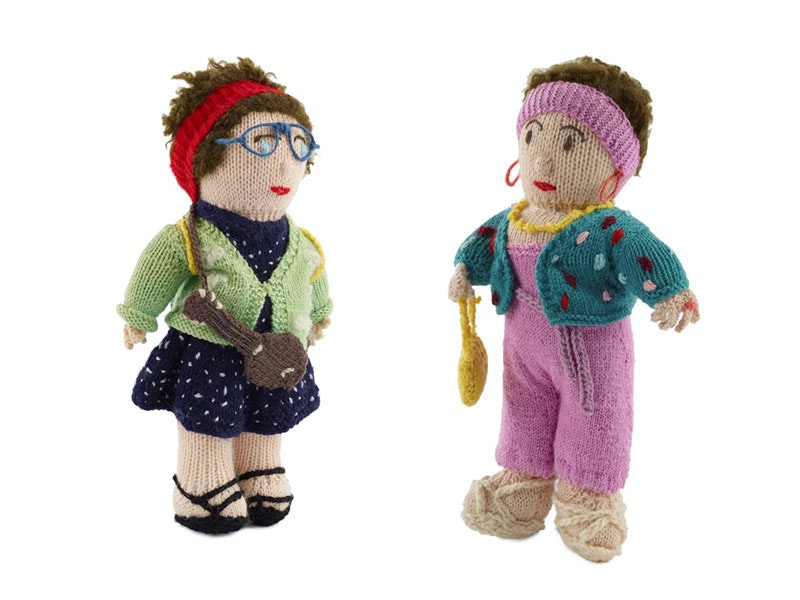
  • Two knitted dolls. Left: A woman with a red headband, wearing glasses, in a blue dress with white polkadots and a green cardigan. On the right: A woman in pink headband and dungarees with turquoise cardigan and yellow handbag

    Listen: The Topp Twins and the dolls

    These miniature works of knitted art hail from Invercargill, and might just be the ultimate Kiwiana tribute to two of New Zealand’s most popular characters – Camp Mother and Camp Leader, the creations of Lynda and Jools Topp – the Topp Twins.

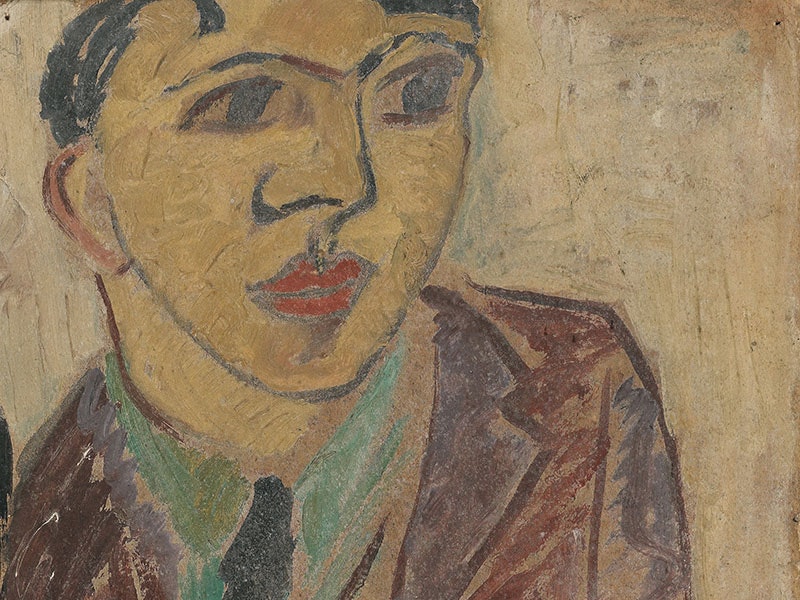
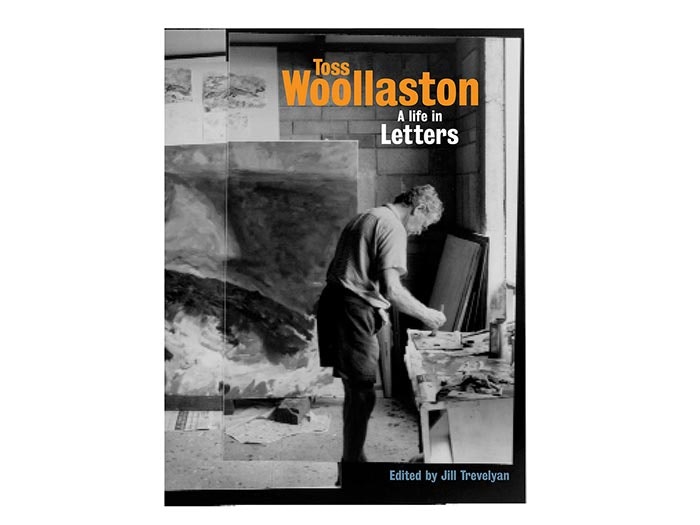
  • Toss Woollaston’s love triangle

    This portrait of Rodney Kennedy was painted by Toss Woollaston in 1936. The two men met at art school in Dunedin, and became lovers in 1932. After Toss’ marriage in 1936, they remained life-long friends. Chris Brickell tells their story.