







What and who is Matariki?
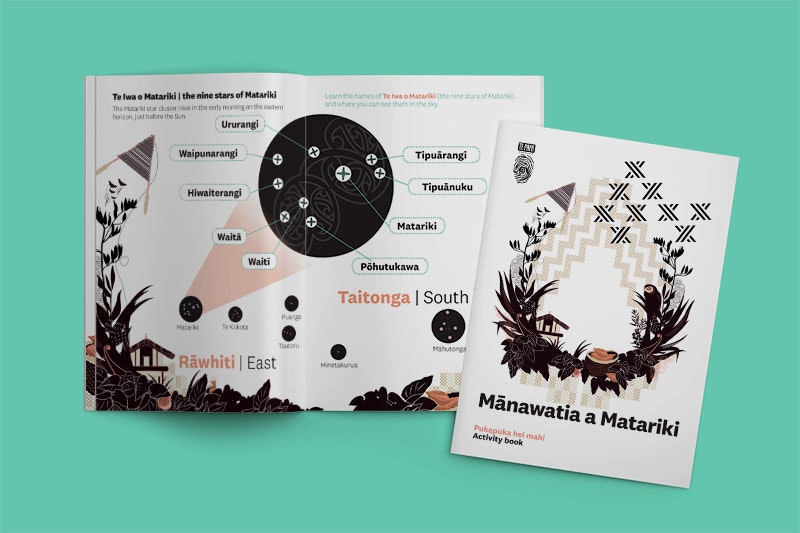
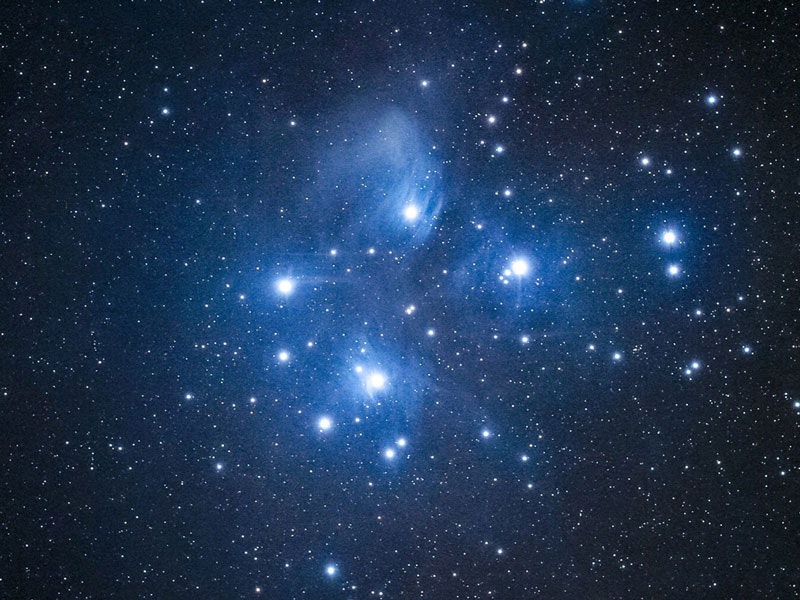
Learn about the stars of Matariki, watch a video showing you how to find the cluster, and test your knowledge in our quiz.
Free museum entry for New Zealanders and people living in New Zealand
Open every day 10am-6pm
(except Christmas Day)
Free museum entry for New Zealanders and people living in New Zealand
Mānawa maiea te putanga o Matariki
Mānawa maiea te ariki o te rangi
Mānawa maiea te mātahi o te tau!
Celebrate the rise of Matariki
Celebrate the great cluster of stars
Celebrate the New Year!
Mānawatia a Matariki me Puanga – ko te tohu o te Mātahi i Aotearoa, ko te whitinga o te kāhui o Matariki, ā, mō ētahi, ko te whitinga mai o Puanga. Maharatia rātou kua whetūrangi, mānawa tahitia i te taha o ngā tau kahurangi, tohaina mai ngā wawata mō te tau e ara mai nei.
***
Celebrate Matariki and Puanga – the beginning of the New Year in Aotearoa New Zealand, marked by the rising of the Matariki star cluster and for some, the whetū Puanga. Reflect on those who’ve passed, celebrate with loved ones, and share your aspirations for the year ahead.
23 Apr - 13 Jul 2026
Rongomaraeroa, our marae, Level 4
Free with museum entry
All ages
Some beanbags available, as well as hard-backed chairs
Activity tables for writing and drawing have chairs
Music plays in the space
Headphones used for one activity
Variable lighting, especially on sunny days
Wheelchair accessible
Toilets are beside Rongomaraeroa in the entrance from Mana Whenua
No food and drink on the marae
Mānawatia te Mātahi o te Tau Māori ki te pokapū o Mānawatia a Matariki.
Hono tahi mai i te taha o ngā whānau me ngā hoa ki Rongomaeroa, hei whakanui i te Mātahi o te Tau – mānawatia, maharatia, manakotia.
Ākona te maramataka, me tōna whakanui e ngā iwi, e ngā hapū, me ngā whānau o Aotearoa.
Mānawatia
Mānawatia tēnei kaupeka me ngā hohenga mō ngā tau katoa. Whakarukea ō taera ki ngā mahi karakara me ngā kēmu, tūhurangia te mātauranga pūtaiao o te kāhui whetū, toroa ngā arawātea ki te whakanui i ngā hararei mā ngā matapā matihiko. Noho ahuru mai ki ngā tūru pīni, tahuri mai rā ki ngā waiata pārekareka e mānawa nei i ngā puoro Māori.
Maharatia
Hei whakamānawa i a Pōhutukawa (te whetū o ngā mate kua whetūrangi), maharatia te hunga kua whetūrangi. Wheakotia te ātea oro pū hei whakaahuru i ngā raumahara.
Manakotia
Ko te kōwhitinga o Matariki me Puanga, he wā whakamoe tau. Tuhia tāu oati, ka tāpiri ki te pātū whakairi manako, kia marutuna ai koe i ngā manako a ētahi atu. Whakaaroa hoki te oranga o te taiao, o te whānau me te toiora.
Learn about the stars of Matariki, watch a video showing you how to find the cluster, and test your knowledge in our quiz.
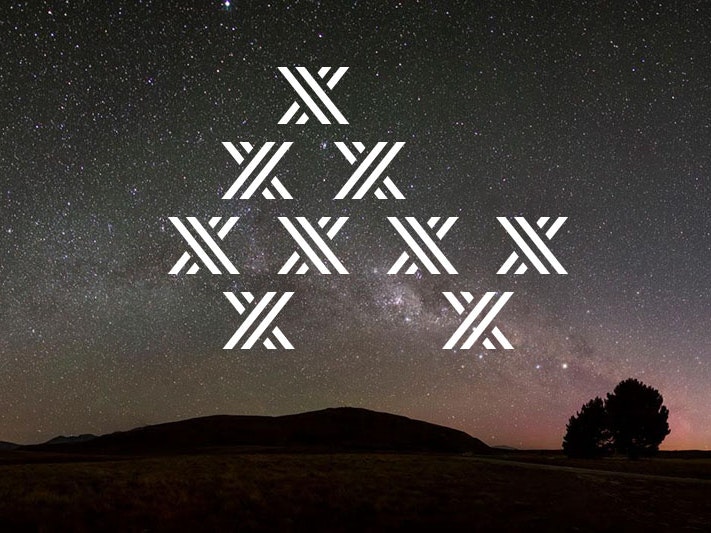
Learn all about Matariki and see our events. Matariki is a time to gather with family and friends to reflect on the past, celebrate the present, and plan for the future.
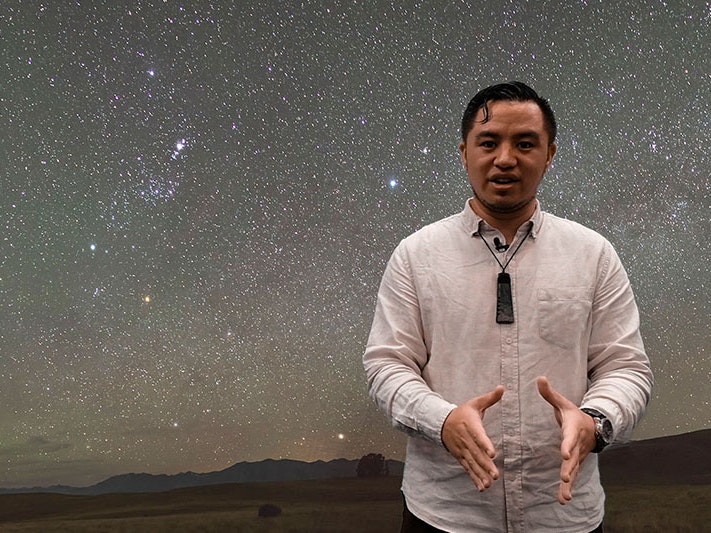
Educator Hauiti Gardiner shows you how to find the Matariki star cluster during the Māori New Year, which falls in the month of Pipiri (June–July).
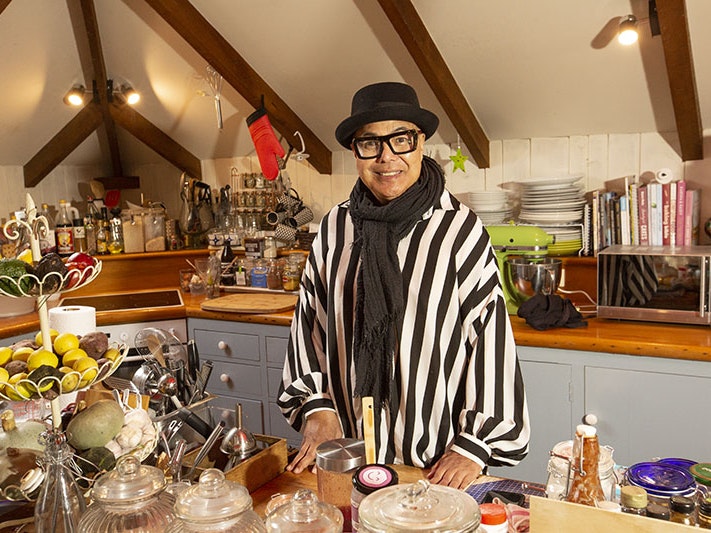
What to do during Matariki, a time to spend with your whānau, with waiata (songs), whakataukī (proverbs), and more.
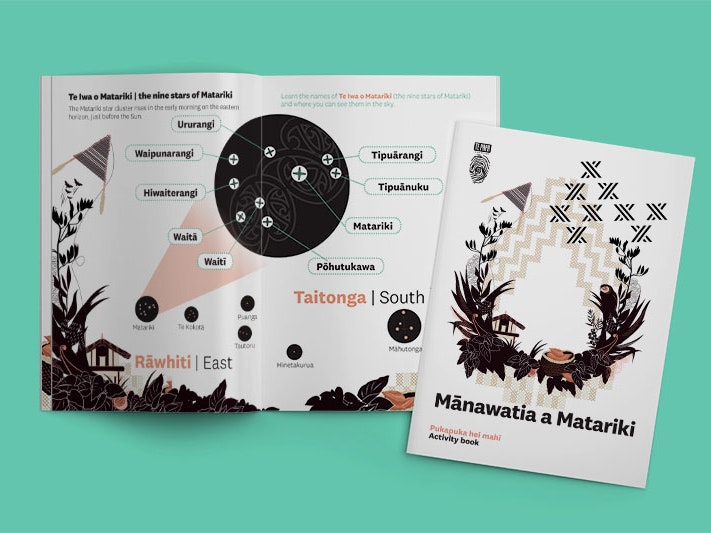
Download Matariki and maramataka teaching resources to use in your classroom, or book a Matariki education visit for your ECE or primary students.
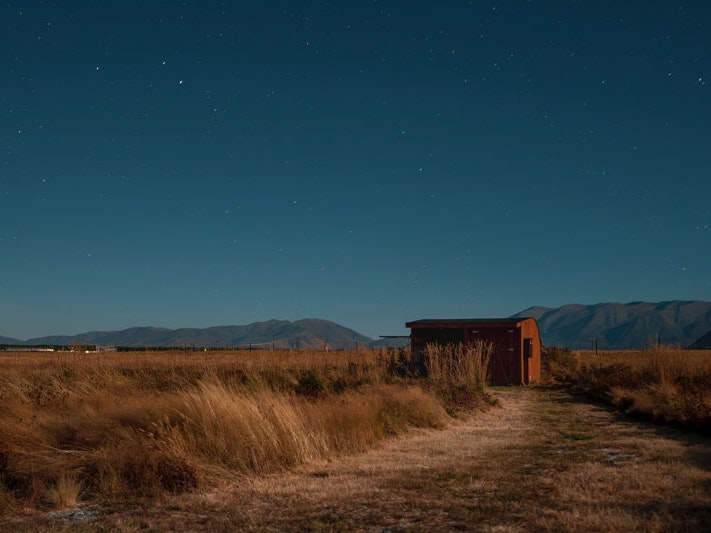
You’ve read our Matariki resources – now it’s time to test your knowledge!
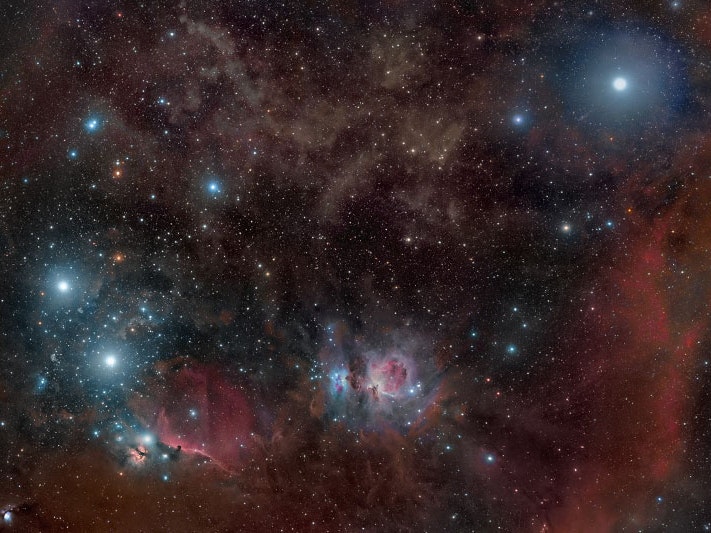
Matariki isn’t universally observed, due to a variety of reasons – including the fact that the cluster is not visible to everyone in Aotearoa New Zealand. Learn about regional variations in marking te Mātahi o te Tau (the Māori new year).
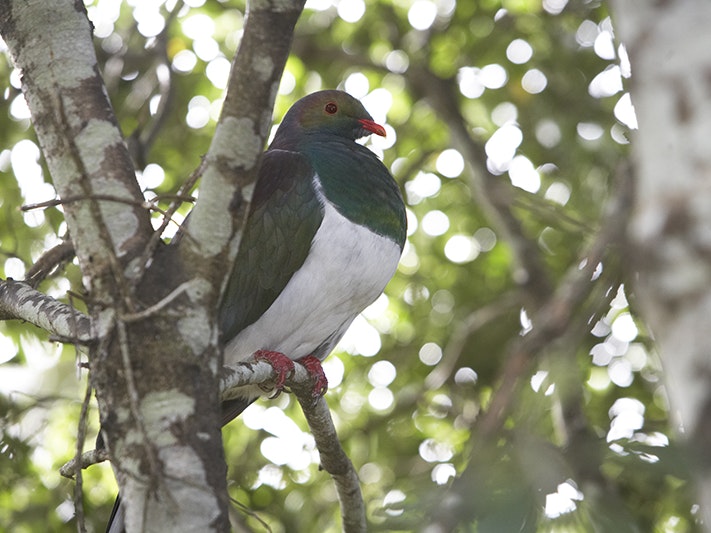
Throughout the weeks leading up to Matariki, 2024, guest speakers give a series of talks about kai Māori (Maori food) practices connected to taonga (treasures) from our collection.
This kōrero is about Tipuārangi – the whetū (star) associated with all that lives and grows in the trees.

Throughout the weeks leading up to Matariki, 2024, guest speakers gave a series of talks about kai Māori practices connected to taonga (treasures) from our collection.
This kōrero (talk) is about Puanga – the whetū (star) that for some iwi (tribes), signals the Māori New Year.
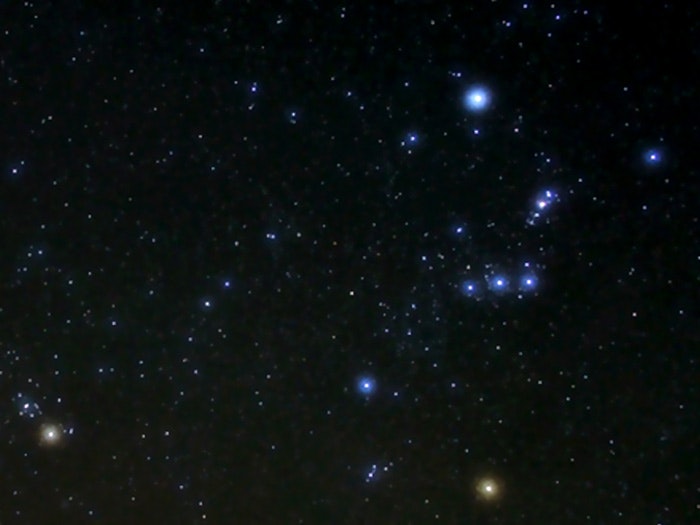
Richard Hall, President of the Phoenix Astronomical Society, and Vice President Ian Cooper explain when we can see the star Puanga and why it’s linked to Matariki.
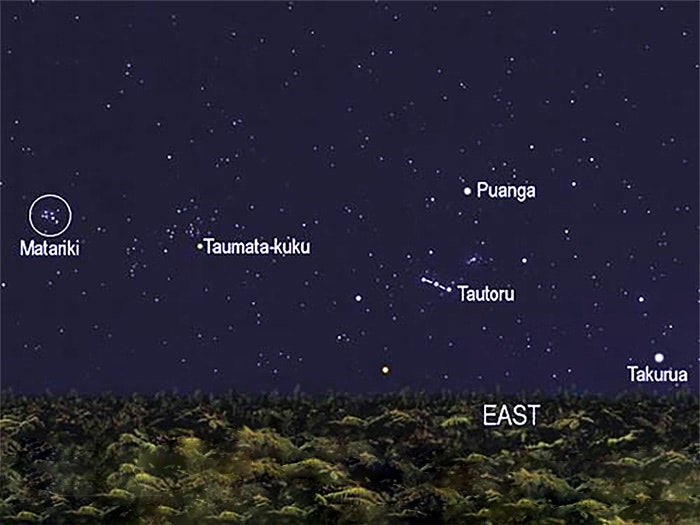
Some iwi celebrate Puanga rather than Matariki. Che Wilson of Whanganui iwi explains why this is the case, and which iwi celebrate Puanga.

Throughout the weeks leading up to Matariki, 2024, guest speakers give a series of talks about kai Māori (Māori food) practices connected to taonga (treasures) from our collection.
This kōrero talk is about Waitī – the whetū (star) associated with fresh water.
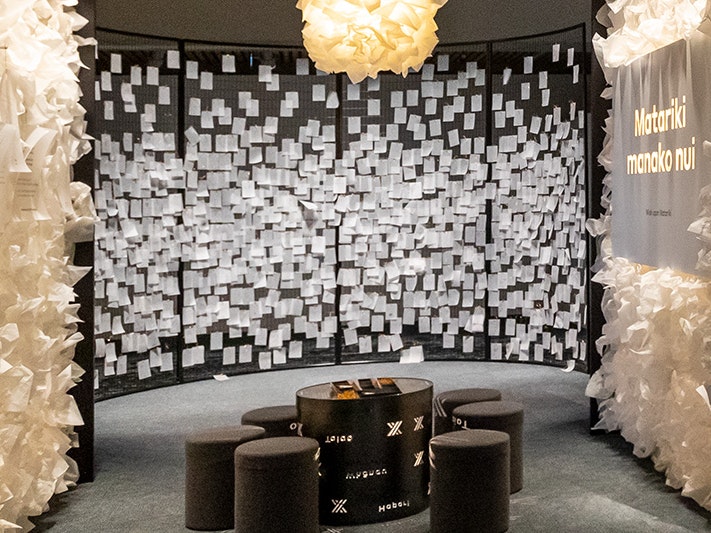
Learn about how our visitors looked to the future at our Mānawatia a Matariki experience in 2022.