

Free museum entry for New Zealanders and people living in New Zealand

Aotearoa New Zealand social history and identity

Explore online stories of Aotearoa New Zealand’s social fabric – the voices, taonga, and communities shaping the nation, with an emphasis on diversity, social justice, and historical change, including community and migrant stories, suffrage, protest, settler history, social movements, and national identity.

If you are looking for what is on in the museum, check out the Exhibitions page.

Help us make more resources like this, donate today.

Current highlights

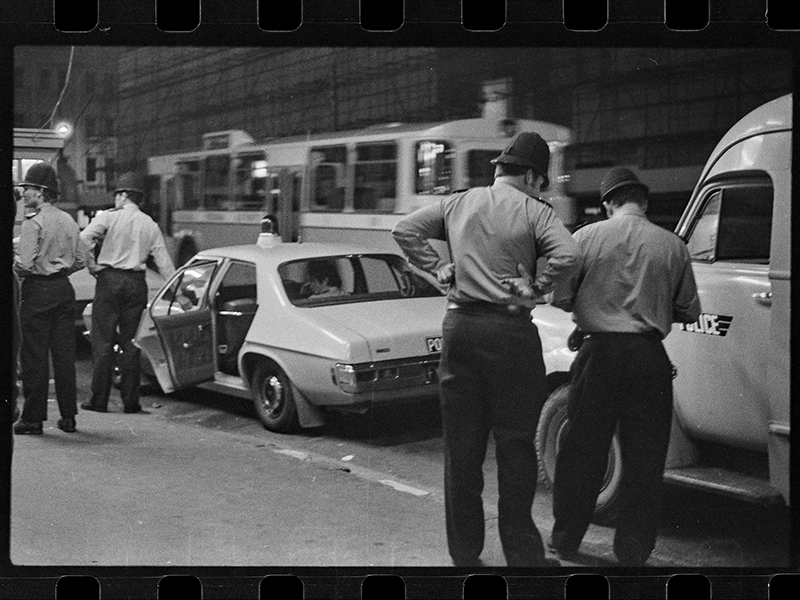
  • Black and white photo of police in the 70s or 80s talking to people in a car.

    Dawn Raids in Aotearoa New Zealand

    The Dawn Raids were the Government’s promise to ‘get tough’ on law and order and immigration in the 1970s. Raids took place in the early hours of the morning or late at night when police would enter homes to convict and deport so-called ‘over-stayers’. 
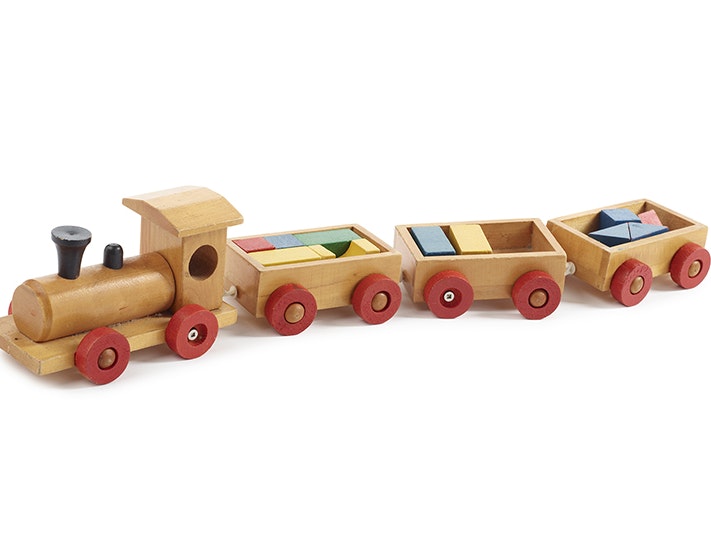
  • Wooden train set on a white background

    Growing up – toys, treasures, and TV

    What do children care about? What do they play with? How do they learn? How can museums represent the experiences of young people? Included here are stories exploring what it is like to grow up in Aotearoa New Zealand, and objects showing how childhoods have changed.

The shaping of a country

Everything from the founding documents of Aotearoa New Zealand, earthquakes that shaped cities, how to celebrate Matariki, Anzac stories, Fred Dagg, and the Topp Twins.

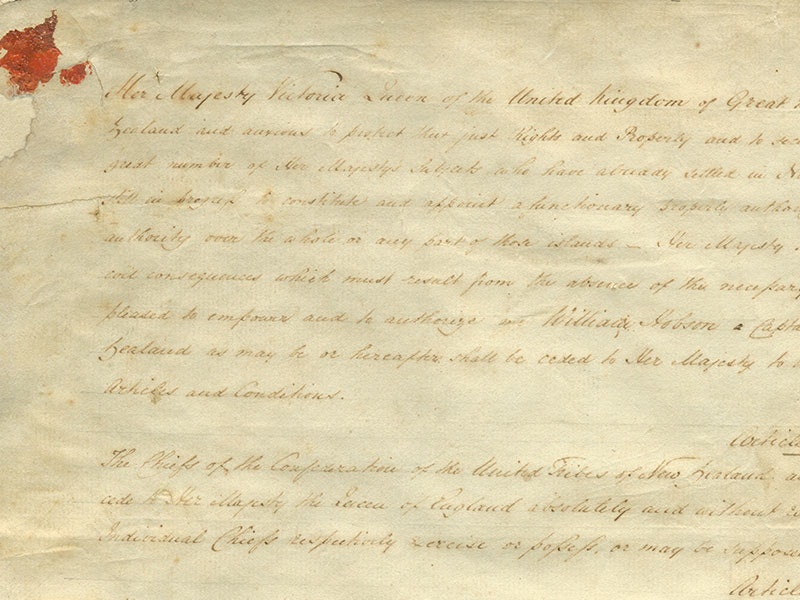
  • Close up of the Te Tiriti ki Waikato-Manukau | Waikato-Manukau sheet, showing the beginning of the English text

    The Treaty of Waitangi

    It is celebrated and argued over. It contains contradictions, and yet it offers clarity. It has a rocky past, but it is providing New Zealanders with new ways forward. It is the Treaty of Waitangi – this nation’s founding agreement.

  • Wooden train set on a white background

    Growing up – toys, treasures, and TV

    What do children care about? What do they play with? How do they learn? How can museums represent the experiences of young people? Included here are stories exploring what it is like to grow up in Aotearoa New Zealand, and objects showing how childhoods have changed.

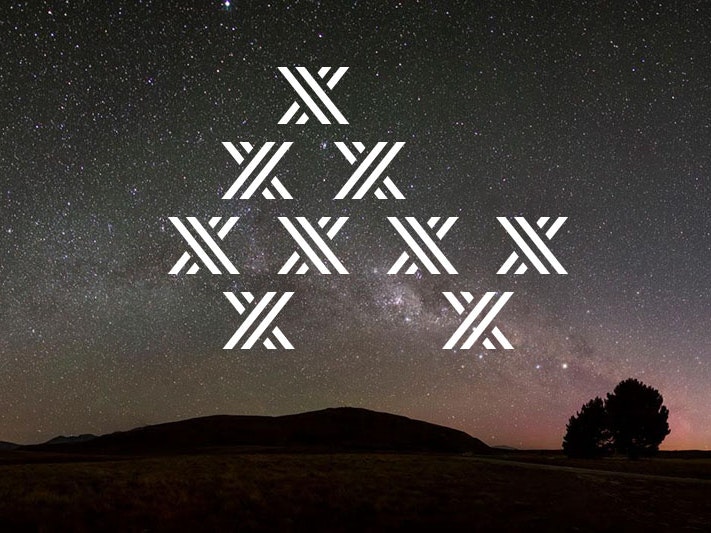
  • matariki-night sky with designed star on it

    Matariki: The Māori New Year

    Learn all about Matariki and see our events. Matariki is a time to gather with family and friends to reflect on the past, celebrate the present, and plan for the future.

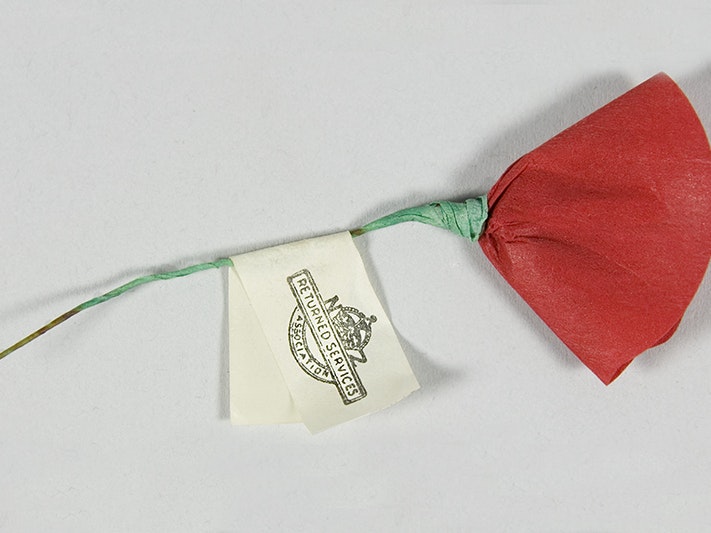
  • A red paper flower representing a poppy with a green stalk made of wire. There is a tag on the stalk with the words Returned Services Association and their emblem.

    Anzacs of Aotearoa New Zealand

    ANZAC refers to the soldiers from Aotearoa New Zealand and Australia who served in the Australian and New Zealand Army Corps (ANZAC) during the First World War. Anzac Day is held annually on April 25 as a national day of remembrance to commemorate those who served and those who died in all international wars, conflicts, and peacekeeping operations.

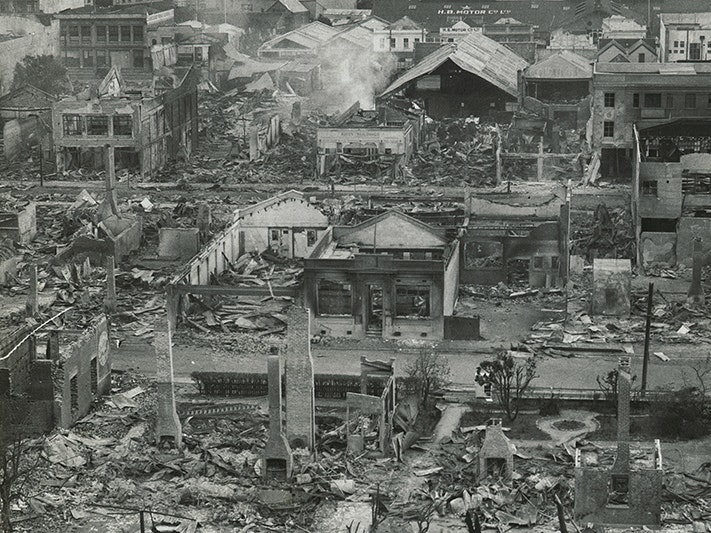
  • An aerial photo of a city in ruins after an earthquake.

    Faultlines: Earthquakes in Aotearoa New Zealand

    Around 20,000 shakes are measured every year in Aotearoa New Zealand – about 55 a day – our whenua (land) never stops shaking. Plates collide. Pressure builds. The land ruptures. How do we cope with living on such shaky ground?

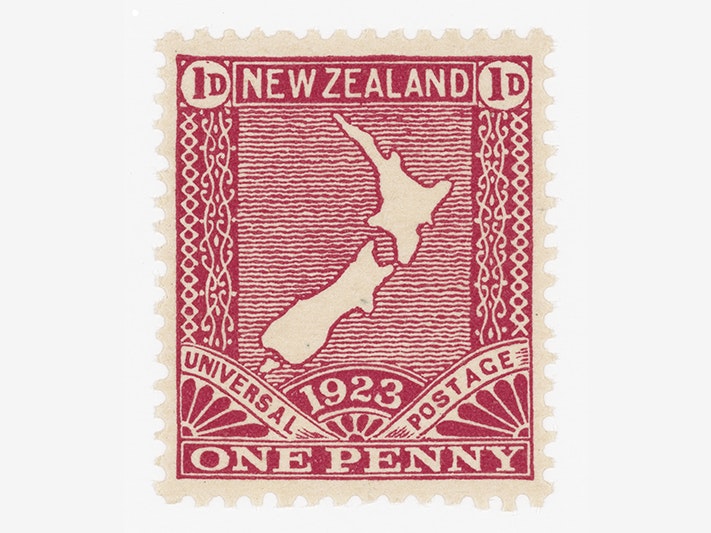
  • Explore the philatelic collection online

    The New Zealand Post Collection is the archive of New Zealand Post and its predecessor, the New Zealand Post Office. It was gifted to Te Papa in 1992. In addition to issued stamps, the archive contains original artwork, proofs, dies, and printing plates relating to issues from 1855 to the present day. From Pigeon Post to health stamps, artist designs to stamp albums, explore stamps on Collections Online.

  • A very old piece of paper with handwriting in the form of a letter.

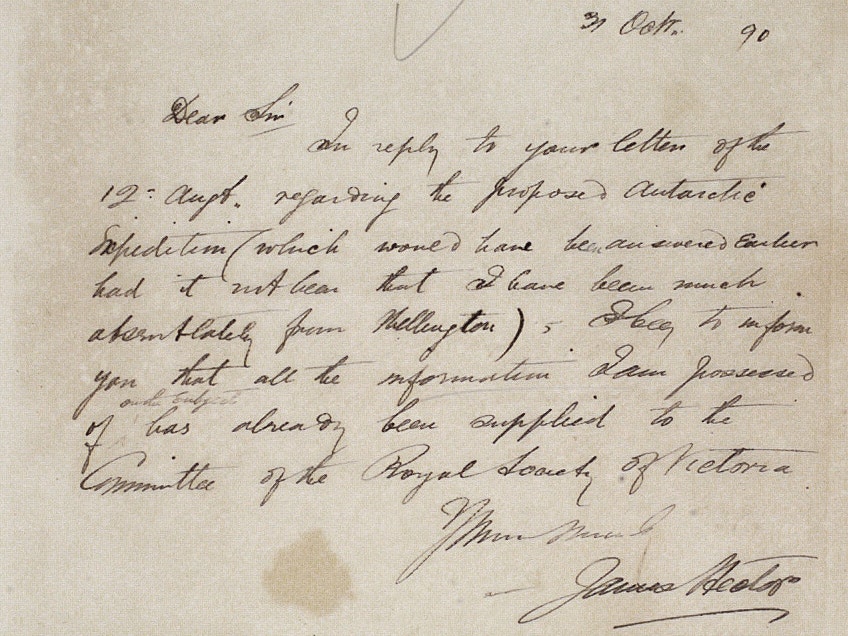
    Browse the museum archives on Collections Online

    Explore the many documents and letters by James Hector regarding the Colonial Museum from 1865 until 1903, research material gathered by Museum staff about many areas of study in the sciences and humanities since 1865, and archives about the National Art Gallery dating from when it opened in 1936, including material about the development of exhibitions and the acquisition of artworks.

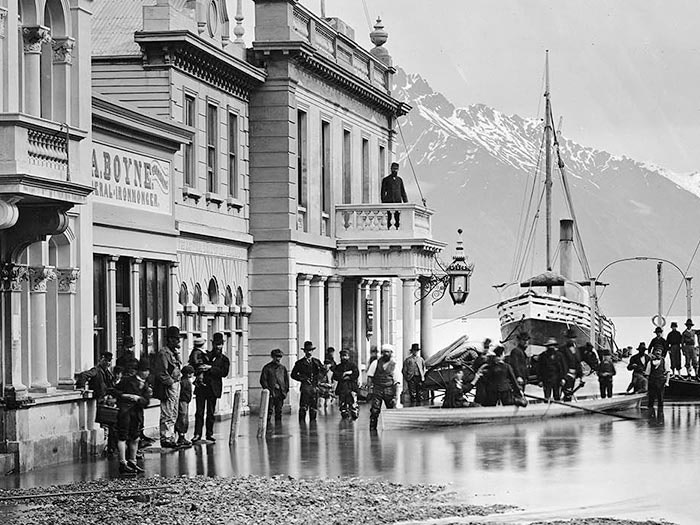
  • A very old photo with people standing in front of a wooden building. There is a dog in the foreground.

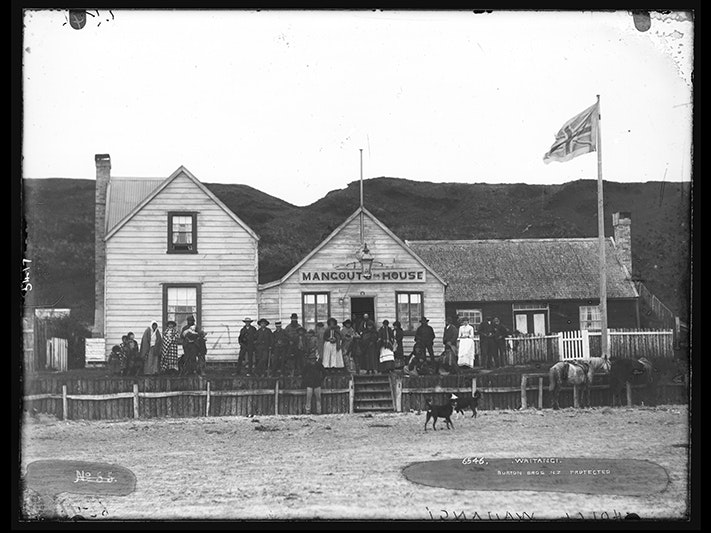
    Rēkohu | Chatham Islands

    Rēkohu Chatham Islands are 862 kilometres east of Christchurch and are 45 minutes ahead of New Zealand time. The Chatham Rise, a 1,400-kilometre mostly underwater land mass connects them to New Zealand. Lakes and lagoons cover about a quarter of the biggest island.

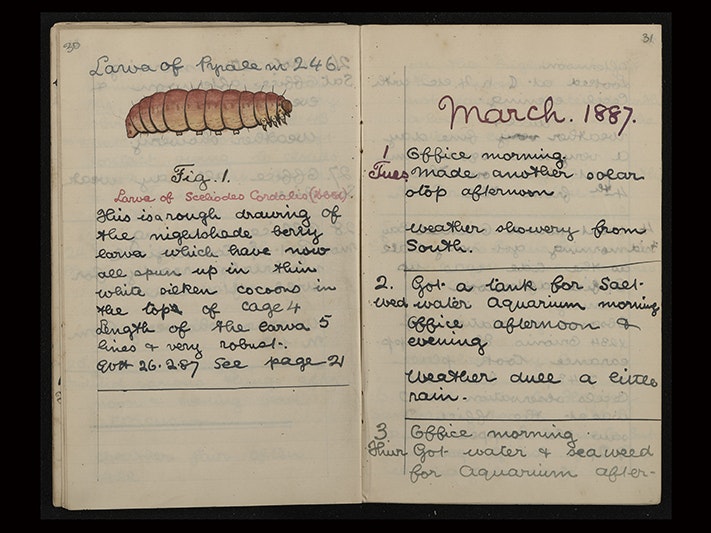
  • A open notebook that has handwriting in a diary form and a handdrawn illustration of a larvae.

    Collected Archives on Collections Online

    The Collected Archives falls into two main groups. The first features New Zealand artists and a number of key New Zealand commercial art galleries.

    The second group embraces a wide variety of other collected archival material including World War I ephemera (such as battle plans and correspondence) as well as documents left by important historical figures.

Kiwi icons: Making a name for ourselves

What sport clubs have you belonged to? Can you identify a Crown Lynn plate at twenty paces? Who has designed some of New Zealand’s biggest fashion moments?

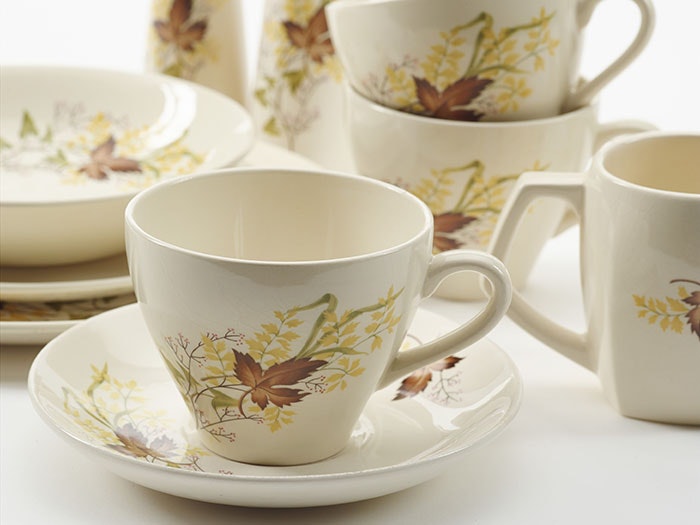
  • Autumn Splendour dinner set by Crown Lynn

    Crown Lynn pottery: A Kiwi icon

    A series of articles looking at the social and cultural impact of a one-time ‘essential industry’ and familiar presence in almost all New Zealand homes.

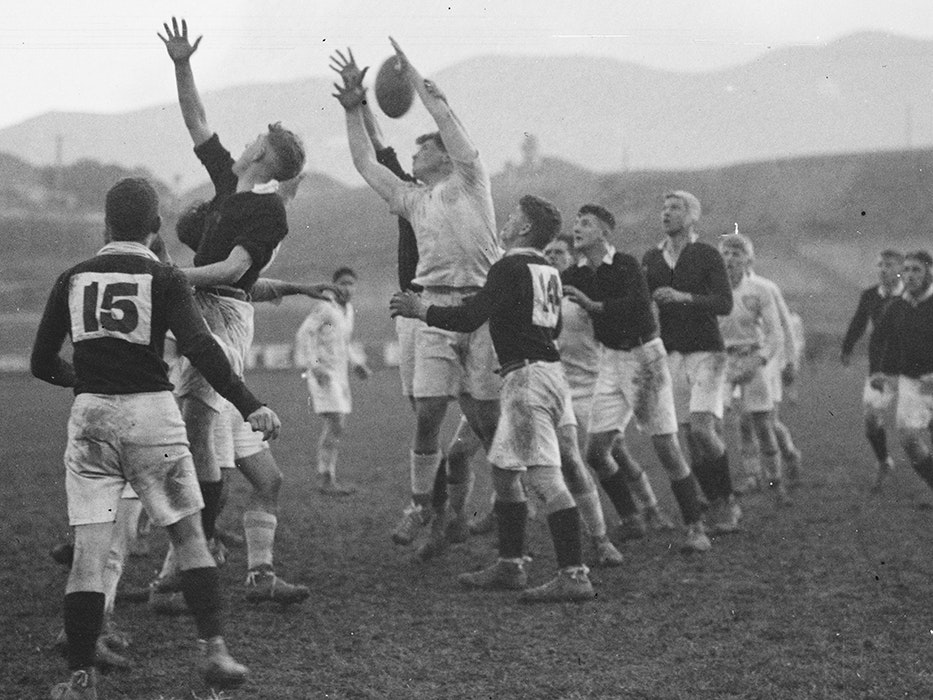
  • A black and white photo of two teams playing rugby

    Sport in Aotearoa New Zealand and the Pacific

    Professional and community-level sport has a long history in Aotearoa New Zealand from team sports to individual achievements. Read about rugby, running, racing, and rowing, along with political crossovers like the 81 tour, international firsts like the Britten Bike, Olympic champions like Peter Snell, and life before the All Blacks.

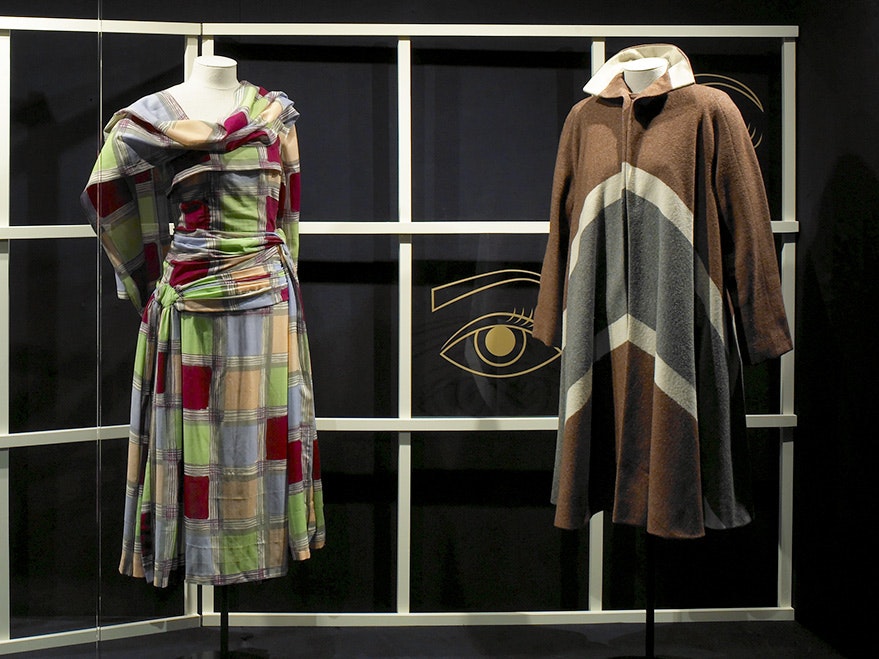
  • two fashion dummies with two outfits on in front of a steel frame and a dark background

    Fashioning ourselves: clothing, identity and culture

    From woollens to workwear, pōtae (hats) to Panamas, feathers to fur, and khakis to korowai (cloaks). Explore stories that highlight the influences, industry, and imagination of fashion in New Zealand through our collections, exhibitions and research.

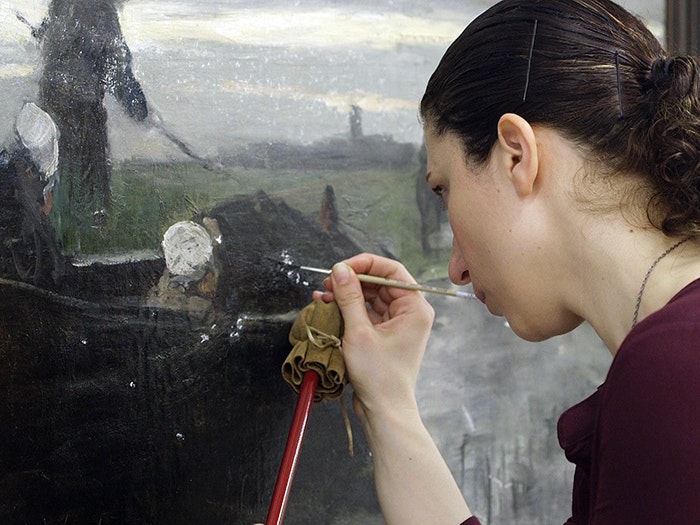
  • Painting undergoing conservation work

    Art and photography in Aotearoa New Zealand

    Here you'll find expressions of culture, art conservation, and creativity across Aotearoa New Zealand and the Pacific. You can watch interviews with traditional and contemporary artists, browse selected artworks in our collection, take a deep dive into photographers, or watch makers blending cultural storytelling with artistic expression.

Community voices

Find first-person stories of challenges and accomplishments from communities across the motu, and stories from the collections – from historical and contemporary immigrant stories, to Rainbow communities, and women getting the vote.

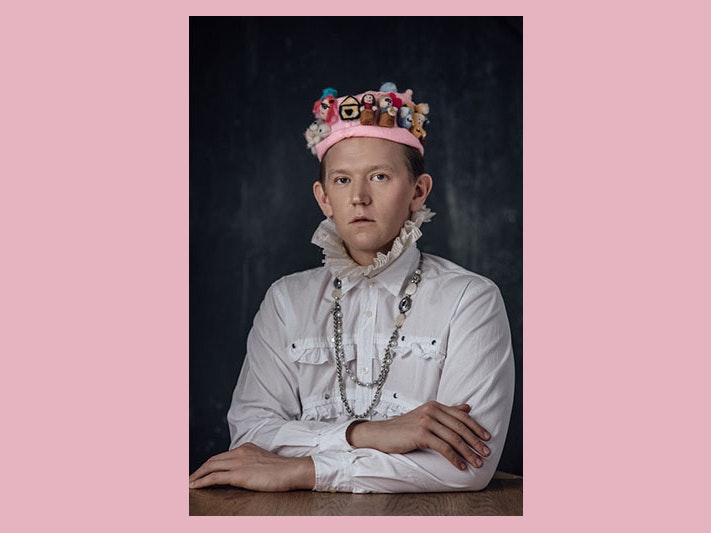
  • Portrait of Chris Parker wearing a felt hat. The hat features tiny versions of the key New Zealand public figures during Covid-19, a bag of flour, a tiny self-portrait of Chris wearing his orange hoodie, and a tiny official Covid-19 symbol

    LGBTQI+ histories of Aotearoa New Zealand

    Explore queer objects, artworks, and stories in Te Papa’s collections and discover more about the rich histories of Aotearoa New Zealand’s LGBTQI+ communities and icons – including the AIDS Quilt, Carmen Rupe, and Xena: Warrior Princess.

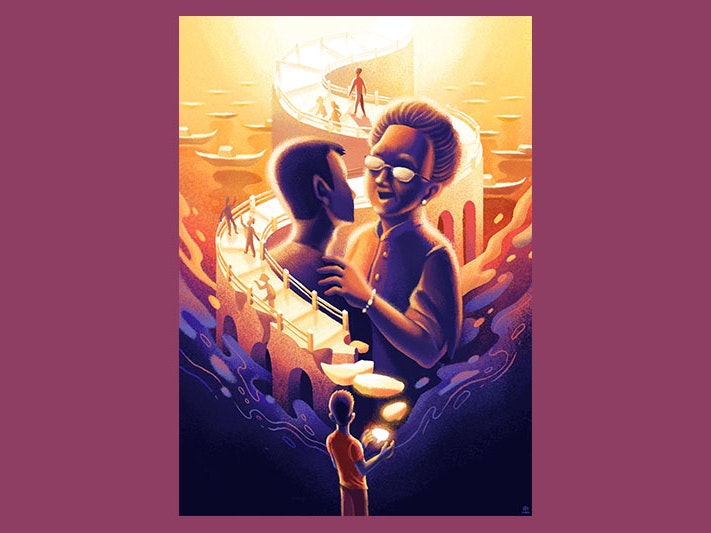
  • Illustration depicting memories: of a young man embracing his grandmother, of a pathway showing many people in his lives

    Chinese Languages in Aotearoa

    Chinese Languages in Aotearoa is an ongoing project using language to highlight complex issues of cultural identity within various Chinese New Zealand communities. It begins with a series of videos, of people sharing stories of their connection to their heritage Chinese languages, speaking in Mandarin, Hokkien, Cantonese, and Hakka.

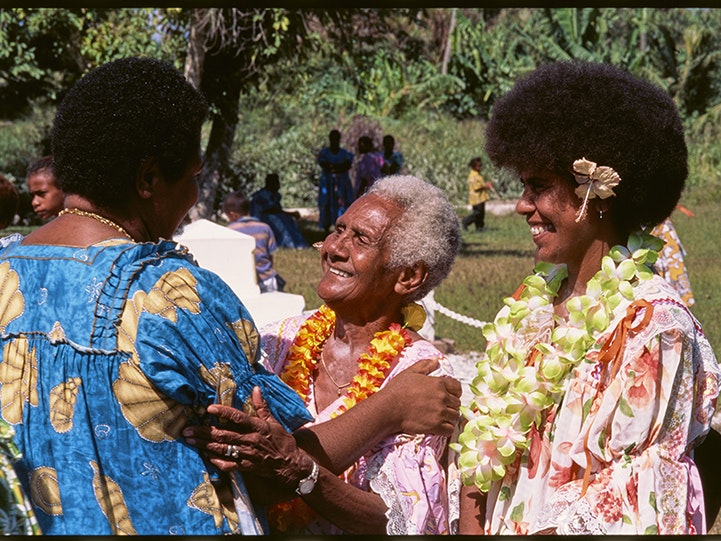
  • Three women in brightly coloured dresses are greeting each other on a Pacific Island.

    Te Moana-nui-a-Kiwa: Pacific peoples and cultures

    Discover the stories, identities, and traditions of Pacific people living in Te Moana Nui a Kiva and Aotearoa New Zealand. Features include stories about identity, community, traditional and revived knowledge, as well as connections to Te Papa’s collections. Whether you whakapapa to the Pacific or want to learn more, explore the vibrant stories of Tangata o le moana Pacific people.

  • An illustration of a red ball of string on a blue and green background. Part of the string is tied in a not

    Asian Mental Health

    Many individuals from Asian diasporas in Aotearoa New Zealand have consistently called for a greater focus on mental health issues. This project responds to this call and aims to highlight various discussions, understandings, and perspectives on mental health of Asian communities in Aotearoa.

  • A face mask woven from flax muka on a black background

    Making Histories: Communities and Covid-19

    Making Histories is a Te Papa project which aims to support visitors and communities around New Zealand to reflect on and share their experiences of the Covid-19 pandemic.

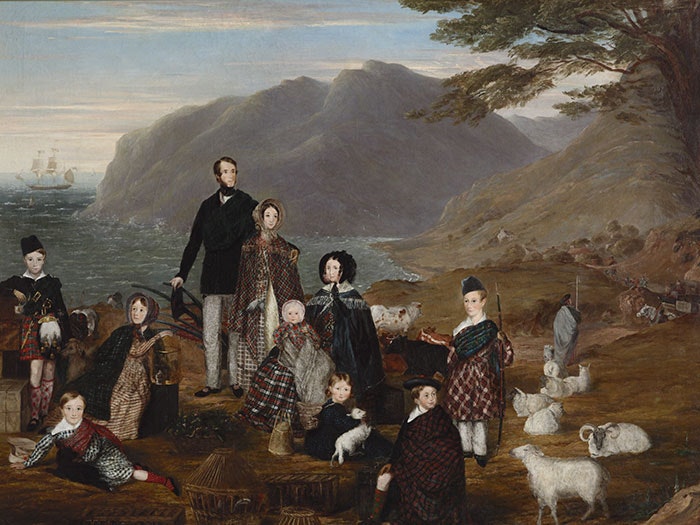
  • The emigrants

    The Scots in New Zealand

    Think ‘Scots in New Zealand’, and your thoughts will probably turn to tartan, bagpipes, and ‘Auld Lang Syne’. But look beyond these and you’ll find a Scottish presence everywhere in New Zealand life.

  • Black and white photo of police in the 70s or 80s talking to people in a car.

    Dawn Raids in Aotearoa New Zealand

    The Dawn Raids were the Government’s promise to ‘get tough’ on law and order and immigration in the 1970s. Raids took place in the early hours of the morning or late at night when police would enter homes to convict and deport so-called ‘over-stayers’. 
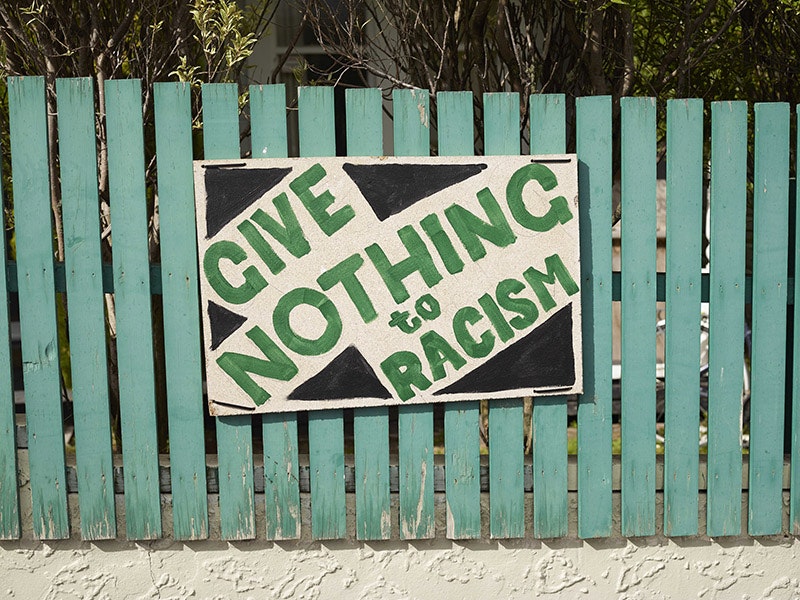
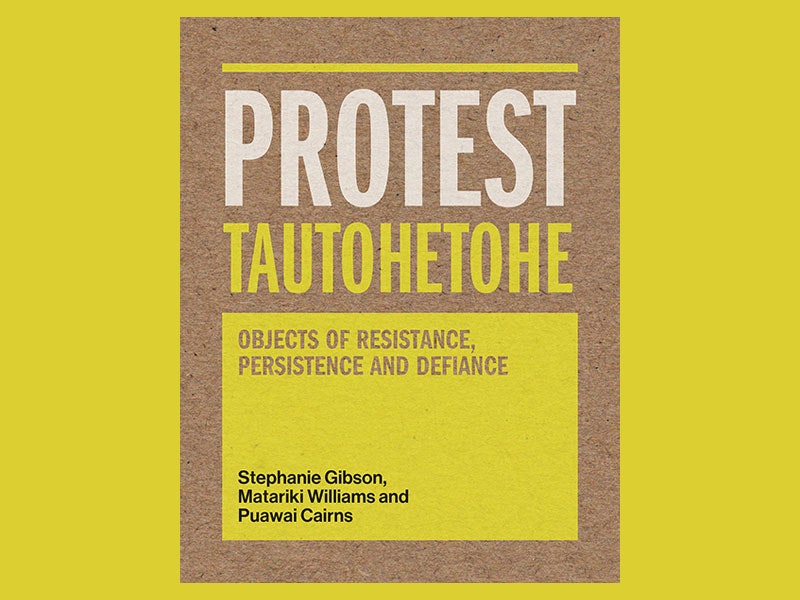
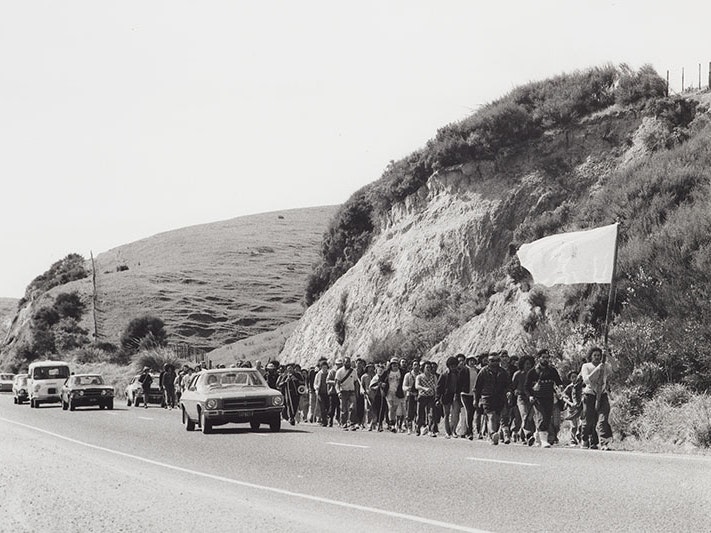
Protest and activism

Taonga in the collections and stories connected to protest, decolonisation, and antiracism, help to record protest movements in Aotearoa New Zealand, creating a tangible history of issues that motivated New Zealanders to get up and be heard.

  • =""

    Quiz: How well do you know protest in Aotearoa?

    New Zealand has had its fair share of major protest issues, and over the decades New Zealanders have become adept at mobilising around causes – from protests about wars, to the rights of women and LGBTQI+ people, protecting the environment, and race relations.

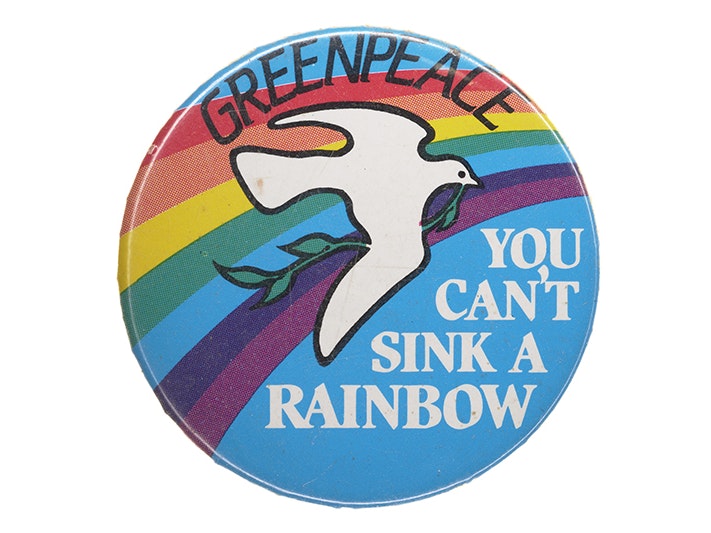
  • A badge with a dove on a rainbow with the words "Greenpeace. You can't sink a rainbow"

    Nuclear Free New Zealand

    From the early 60s, public and governmental concern about the environmental impacts of nuclear power and atmospheric nuclear weapons testing gradually grew. By the 80s, many districts throughout New Zealand declared themselves nuclear free, and the peace movement took the anti-nuclear issue into mainstream New Zealand politics, and anti-nuclear policies became law in 1987 when New Zealand became a nuclear-free zone,

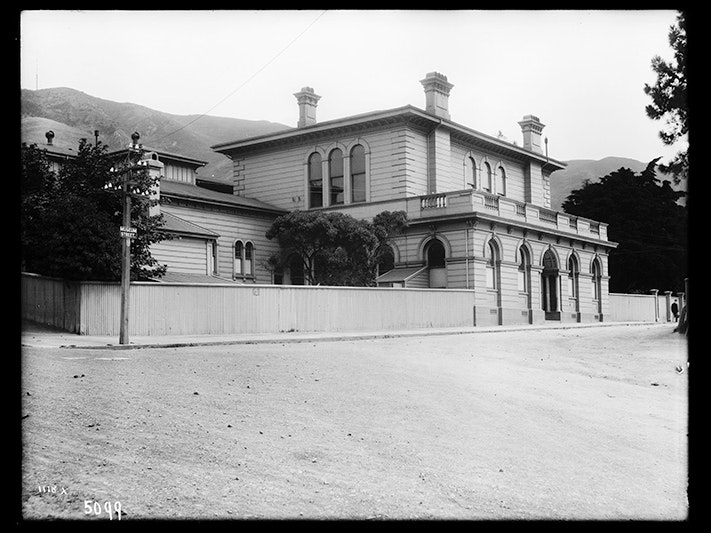
Historical collecting and collections at Te Papa

Find out about the history of the Nationional Museum, conserving historical objects, and colonial collecting practices and their affects on provenance research and Māori representation in museums internationally, and in Aotearoa New Zealand.

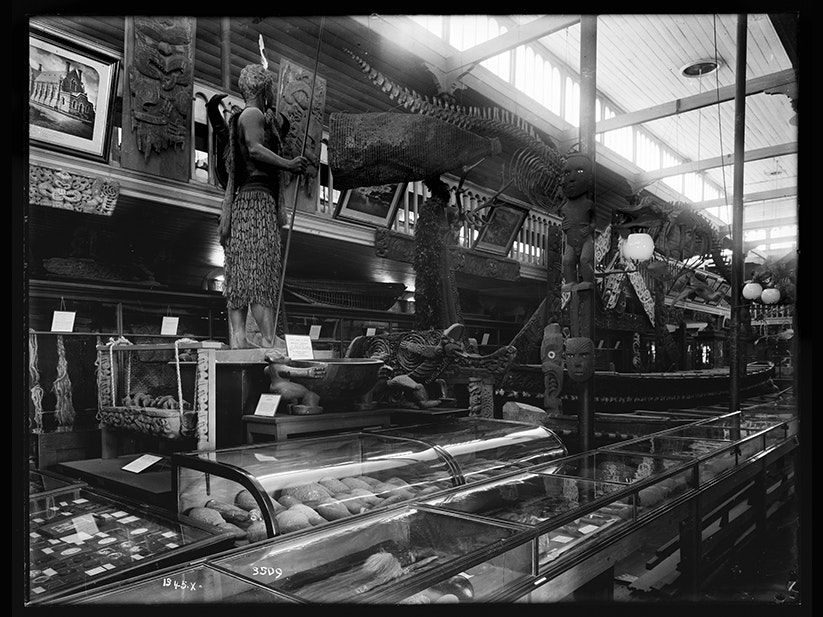
  • A black and white photo of the inside of a museum with a lot of collection items jammed into the space.

    Acknowledging our colonial past

    This project seeks to ensure that all taonga Māori collected during James Hector’s directorship at the Colonial Museum have their provenance and associated information reconciled with their current registration numbers, and therefore made available to our visitors and those connected to them.