







Matariki: The Māori New Year
Learn all about Matariki and see our events. Matariki is a time to gather with family and friends to reflect on the past, celebrate the present, and plan for the future.
Free museum entry for New Zealanders and people living in New Zealand
Open every day 10am-6pm
(except Christmas Day)
Free museum entry for New Zealanders and people living in New Zealand
Here you will discover online stories of Tangata Whenua– the Indigenous people of Aotearoa.
Read about mātauranga andtaonga, Te Tiriti o Waitangi, te reo Māori resources, and stories of resistance and contemporary identity.
If you are looking for what is on in the museum, check out the Exhibitions page.
Help us make more resources like this, donate today.
Learn all about Matariki and see our events. Matariki is a time to gather with family and friends to reflect on the past, celebrate the present, and plan for the future.
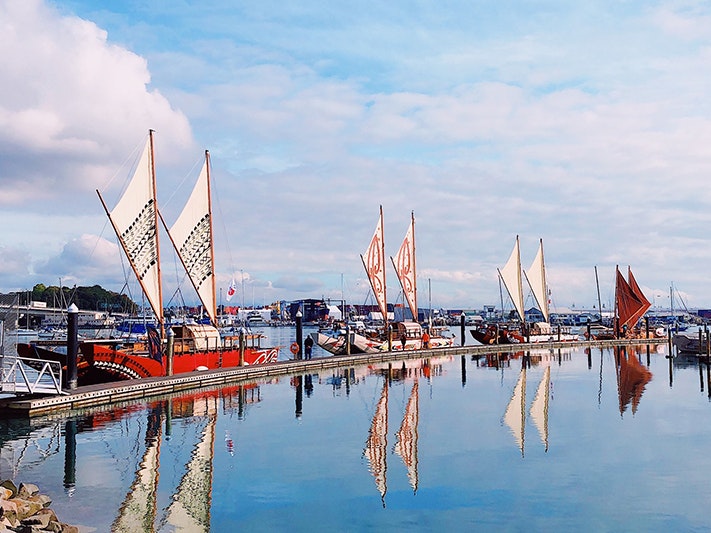
Find out about navigating the Pacific, the knowledge revival of building of waka hourua (double-hulled vessels) and navigation, and sharing the mātauranga (Māori knowledge) and experiences in the process.
Explore historical events, documents, the foundational relationships between Māori and European settlers in New Zealand, and protest movements that have shaped Māori history.
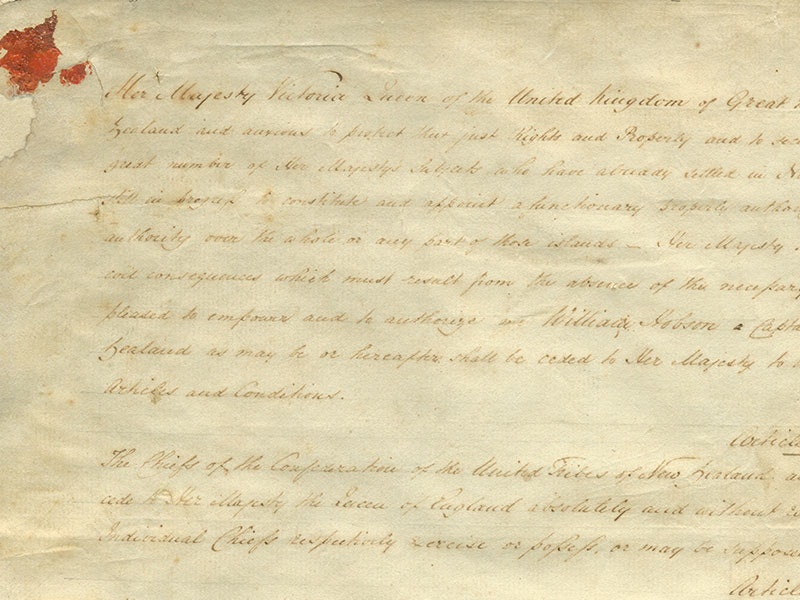
It is celebrated and argued over. It contains contradictions, and yet it offers clarity. It has a rocky past, but it is providing New Zealanders with new ways forward. It is the Treaty of Waitangi – this nation’s founding agreement.

From 1984 to 1986, the exhibition Te Maori was a pivotal moment in Māori cultural revival showcasing traditional artwork on the international stage. It is widely acclaimed as an exhibition that changed the way that museums and art galleries interpreted and managed taonga Māori.
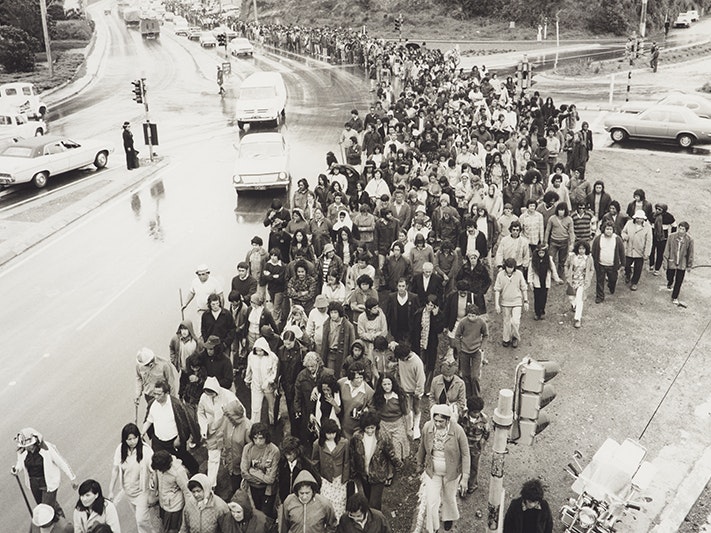
The 1975 Māori Land March expressed deep unrest over ongoing loss of Māori land. Led by 79-year-old Dame Whina Cooper, the protest march began in the far north town of Te Hāpua on 14 September 1975 with about 50 marchers and gained 60,000 signatures, and an estimated 5,000 marchers by the time it was presented it to Prime Minister Bill Rowling on the steps of Parliament in Wellington a month later on 13 October 1975.
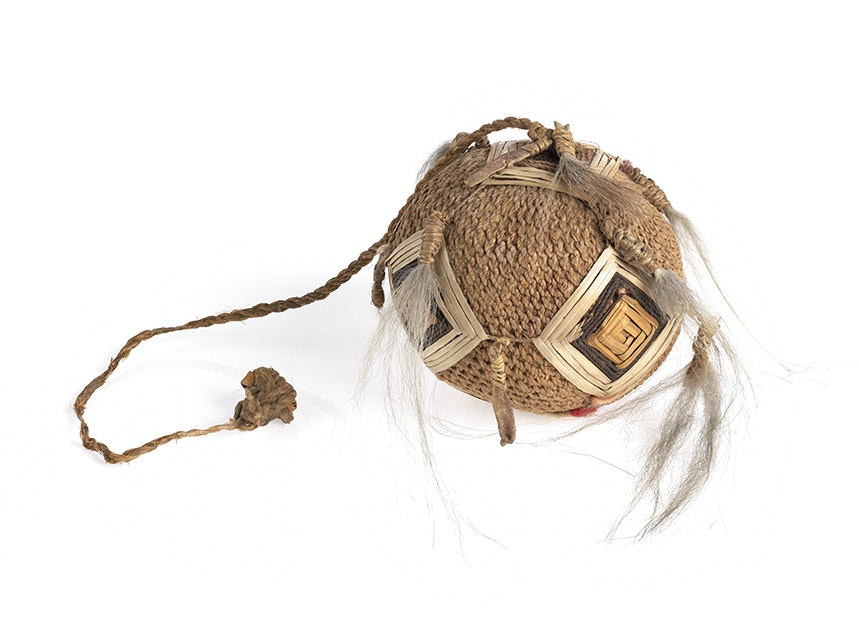
Explore taonga from te ao Māori (the Māori world), historical images and documents, and kōrero tuku iho (histories, traditions) in Te Papa’s collections.
Learn about te reo Māori at Te Papa, Māori concepts of time, Pacific navigation by the stars, using the Māori luni-solar calendar of the Maramataka, and the significance of the Matariki star cluster.
Learn all about Matariki and see our events. Matariki is a time to gather with family and friends to reflect on the past, celebrate the present, and plan for the future.
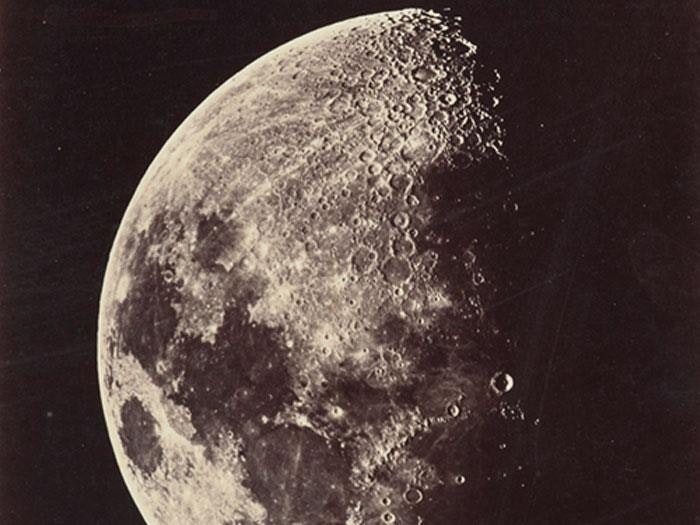
The maramataka is a planting and fishing monthly almanac. For most iwi, the lunar months begin with the new moon (Whiro), but for others it begins with the full moon (Rākaunui). The start of each month is aligned to the morning rising of particular stars.
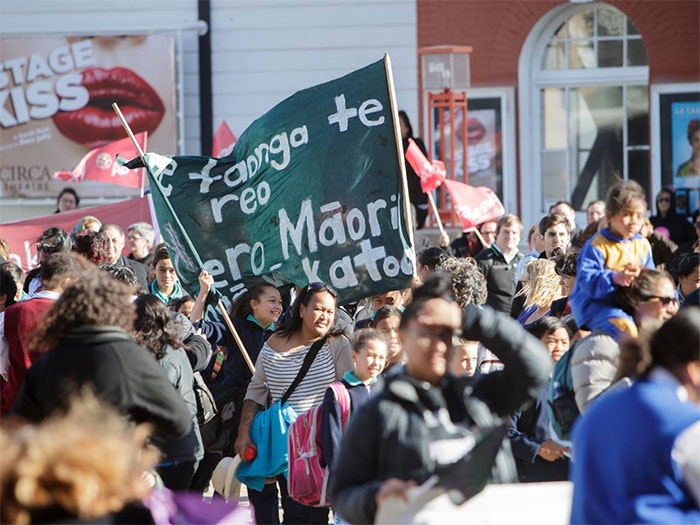
Articles, quizzes, events, and activity books to celebrate and learn about te Reo Māori.
Find out about navigating the Pacific, the knowledge revival of building of waka hourua (double-hulled vessels) and navigation, and sharing the mātauranga (Māori knowledge) and experiences in the process.
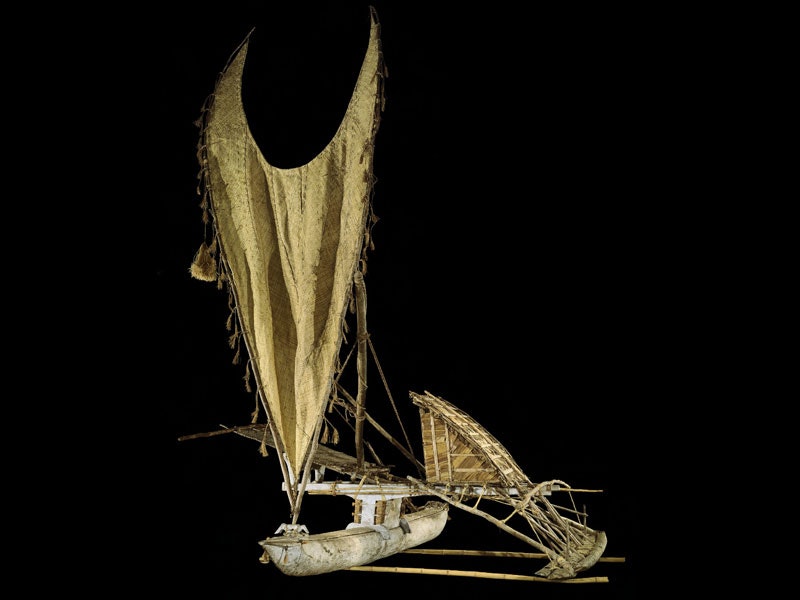
The history of the discovery of Aotearoa New Zealand goes back a millennium and contains the stories of many fine explorers, from Kupe to Cook. Here, explore Pacific exploration and European colonisation through our taonga, kōrero, and events.
Learn about te ao Māori, and practices in mahi toi Māori, gardening, taonga puoro, and mātauranga Māori.
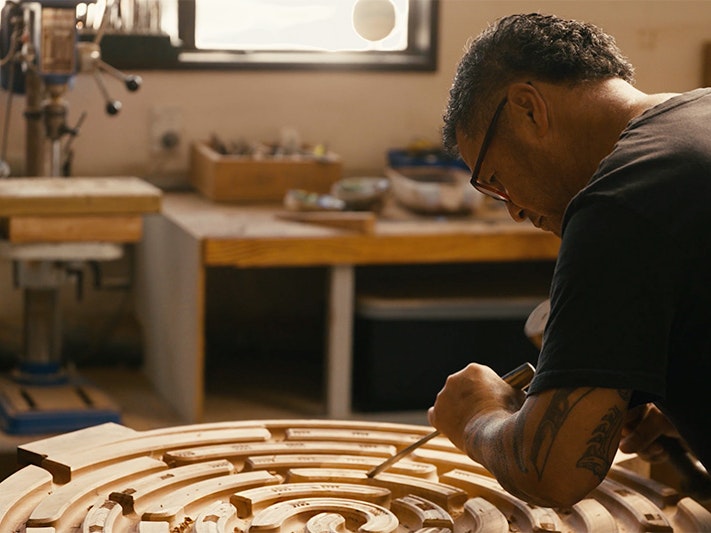
Commissioned for He Toi Whakairo: The Art of Maori Carving, kaiwhakairo (carver) Sam Hauwaho’s carved wooden artwork Whaka-iro reflects upon and references the meaning of the word whakairo or whaka-iro-iro – to make like a wood-boring grub.
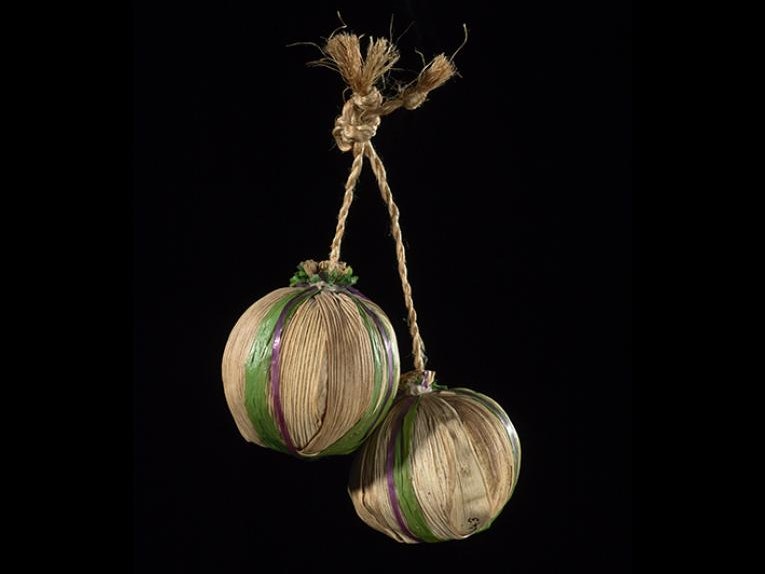
Learn about poi in our collections, explore stories intertwined with this practice, and watch the techniques and performances by kaumātua (respected elders) in te ao Māori.
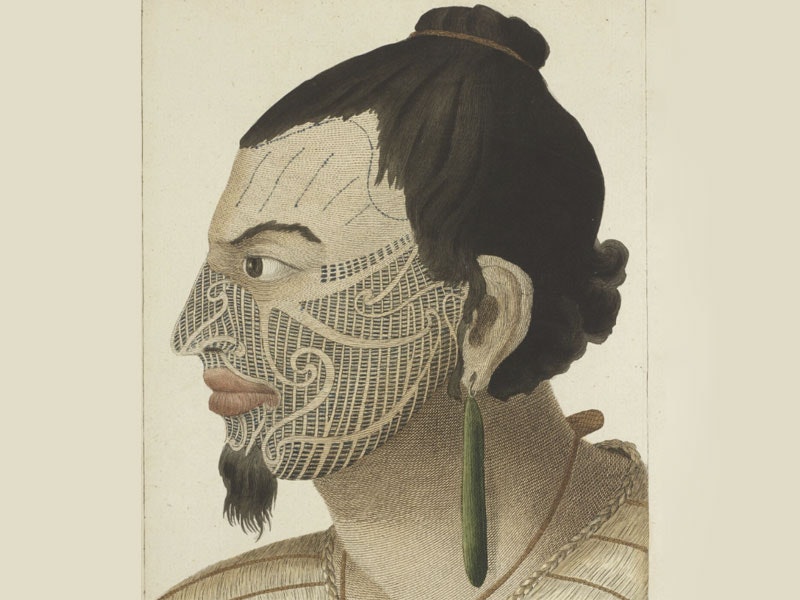
The practice of Māori tā moko developed on from Pacific tattooing in isolation. Find out about techniques, differences in tools and styles, photography and art, and aspects of early international trade in colonial collecting.
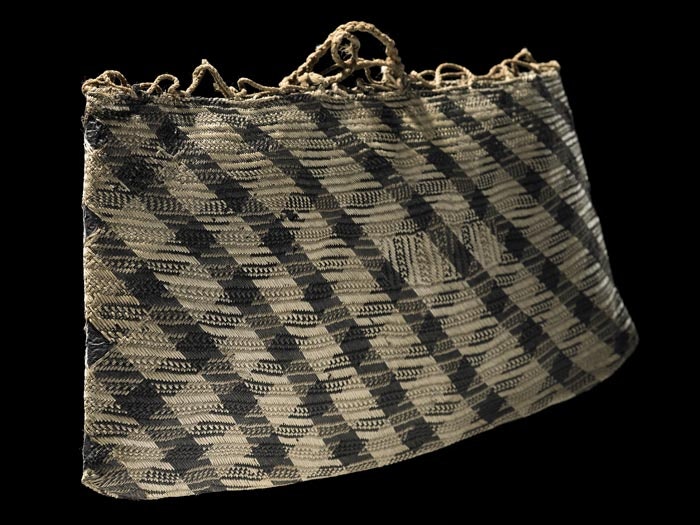
Learn about the goddess of te whare pora (the house of weaving) and the different types of weaving that are important in Aotearoa New Zealand.
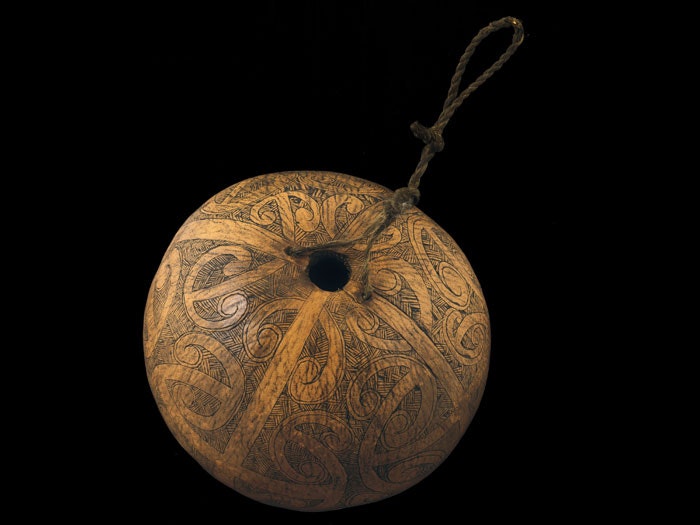
Read about different taonga puoro (Māori musical instruments) and discover what their original purposes were.
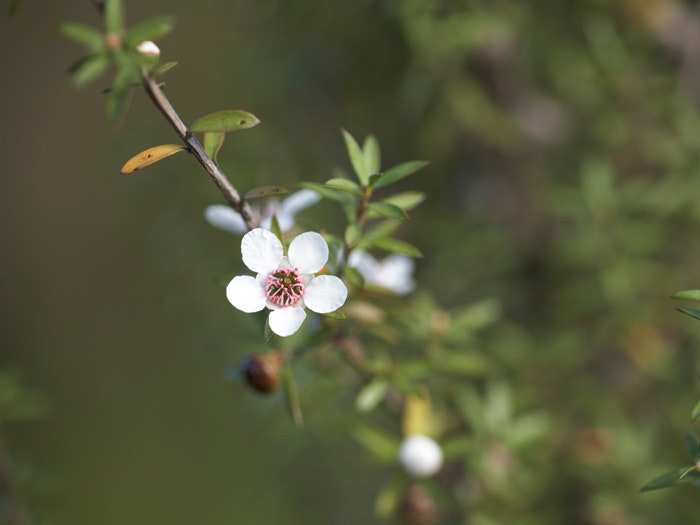
Rongoā Māori is the traditional Māori healing system. Ailments are treated in a holistic manner.
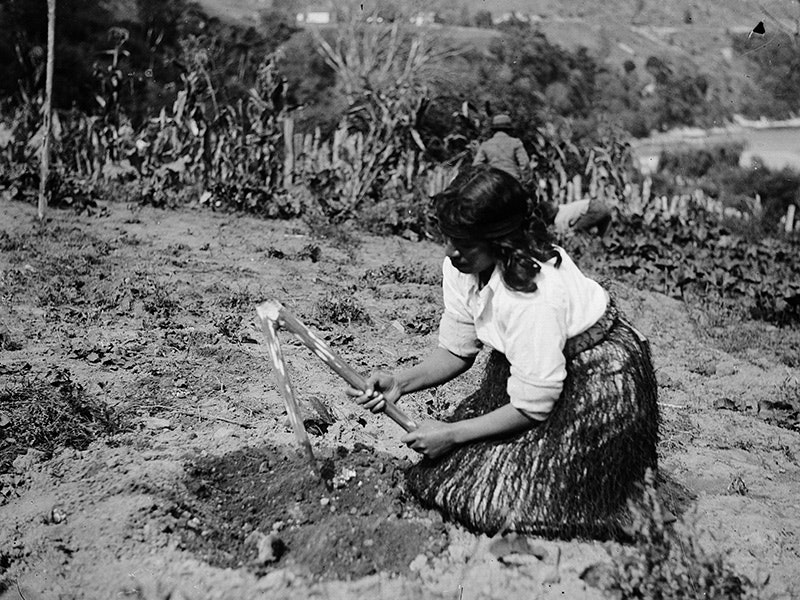
Traditionally, Māori were essentially an agricultural people, with a large portion of their time and attention being given to cultivation.
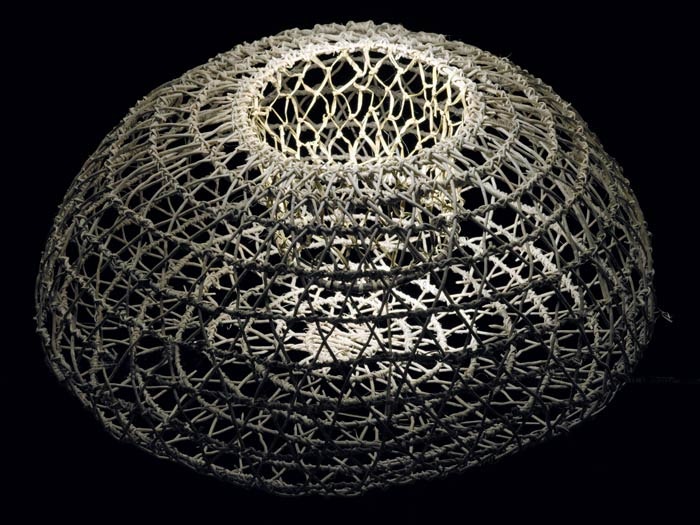
Before the arrival of metal tools and the gun, Māori used natural resources to make tools for hunting, fishing, eeling, and cultivating crops.
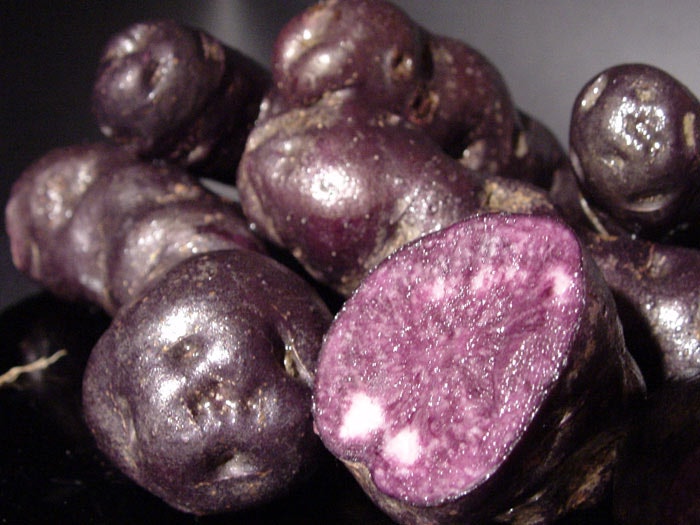
Taewa (or rīwai) is a collective name for the varieties of potatoes (Solanum tuberosum) cultivated by Māori.
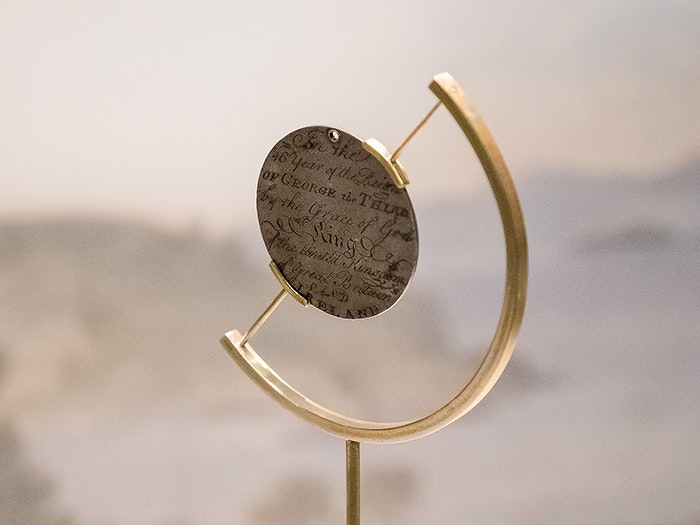
This medal is the first official state gift given to a Māori chief by a foreign leader. Yet this national treasure vanished from Aotearoa New Zealand for over 200 years.
Te ao Māori at Te Papa: The collections, research, contemporary responses to historical taonga Māori housed at the national museum, and the impact of the 1984–86 international exhibition Te Maori on recognition of toi Māori, and it's role in the establishment of Te Papa.
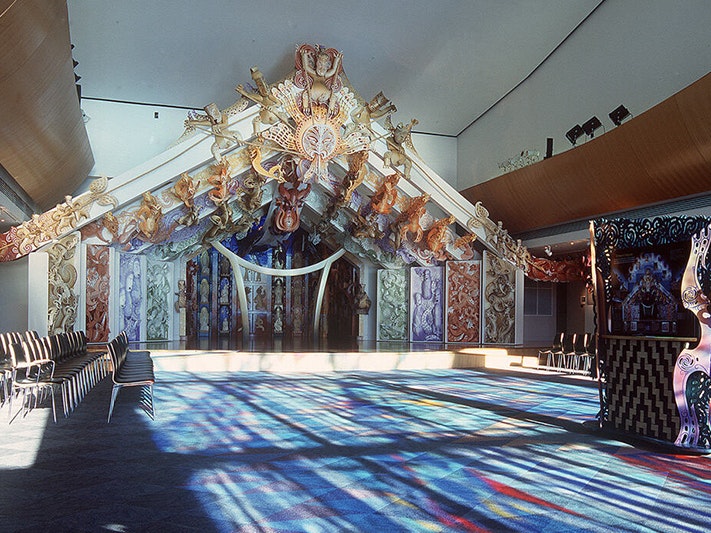
Rongomaraeroa is a unique marae (meeting place) within Aotearoa New Zealand. Like all marae, it is founded on Māori principles of kawa (marae protocol) and tikanga (cultural practices) it was created for our unique museum context as a contemporary marae acknowledging the whakapapa (ancestral history) and the taonga (treasures) of all peoples who call Aotearoa New Zealand home.
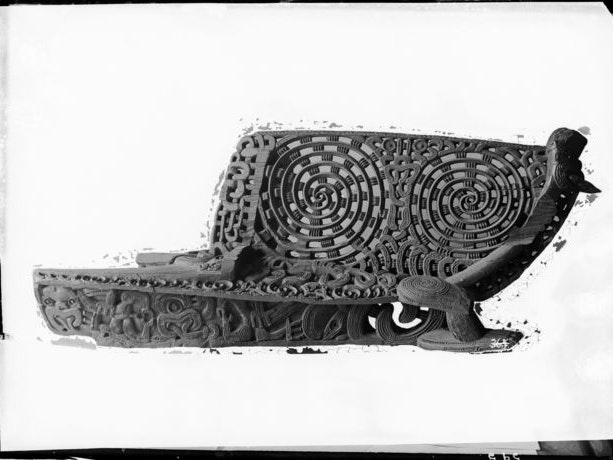
Una Dubbelt-Leitch spent four months working alongside Amber Aranui as part of the Acknowledging our Colonial Past project. Her provenance research contributed significantly to understanding Te Papa’s taonga Māori collection, a large proportion of which is currently unprovenanced.

Our national museum’s history began in 1865, and early documentation wasn't as thorough or careful as it is today. Curator Mātauranga Māori Amber Aranui takes us back to this creatively documented time and what it means for tracking our collection items.

Two studies that will help us understand how the relationship between Māori and cetaceans has changed since people first arrived in Aotearoa by combining mātauranga Māori (traditional Māori knowledge) with techniques used in archaeological science to tell this story.
From 1984 to 1986, the exhibition Te Maori was a pivotal moment in Māori cultural revival showcasing traditional artwork on the international stage. It is widely acclaimed as an exhibition that changed the way that museums and art galleries interpreted and managed taonga Māori.

Learn how we research Māori cultural treasures, knowledge, and customs.
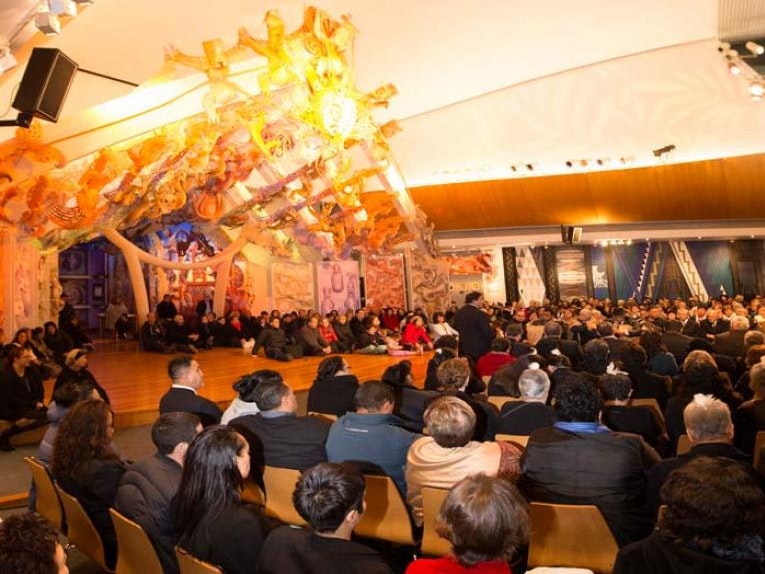
Learn about the main ways Te Papa works with tribal groups in New Zealand.
Recognising we are nature through mātauranga Māori and Te Papa’s Collections Online.
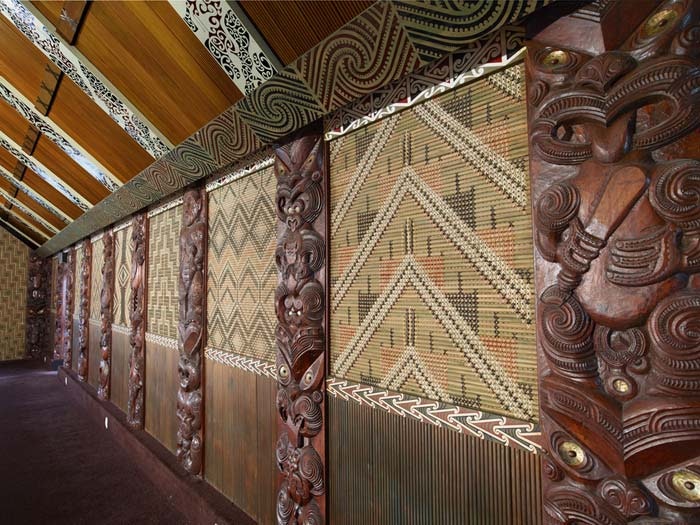
Books about the history, artistry and cultural significance of te ao Māori and taonga Māori.
This section looks at the intersection of Indigenous perspectives and professional curatorial work, highlighting how mātauranga, values, and international repatriation of kōiwi tangata Māori and kōimi t’chakat work guide contemporary museum practices.

The 2025 Michael Volkerling Lecture is presented by former Te Papa Curator Dr Awhina Tamarapa.

Learn about the people behind the Karanga Aotearoa repatriation programme.

Find out how the programme came into existence, how negotiations for repatriation are carried out, and what happens when the Māori and Moriori ancestral remains arrive at Te Papa.

Sustainable indigenised practice in colonial museum models – is there such a thing? Kaihāpai Mātauranga Māori | Head of Mātauranga Māori Puawai Cairns explores this question in this adaptation of a speech given in 2019.
Ngā Taonga Tuku Iho is a five-part series looking at the relationships we have as Māori with our taonga today, and with the practice of archiving.
How do museums learn to tell the truth about what they hold in order to become “decolonised archives”?