Free museum entry for New Zealanders and people living in New Zealand

Te Taiao: Natural history and the environment

Explore online stories about te taiao – the unique natural world of Aotearoa New Zealand and the Pacific, highlighting native plant and animal species, conservation science, and how the collections contribute to knowledge, including both environmental science and collection care.

If you are looking for what is on in the museum, check out the Exhibitions page.

Help us make more resources like this, donate today.

Current highlights

  • A black and white photo of a woman in a white coat sitting at a desk and looking at the camera.

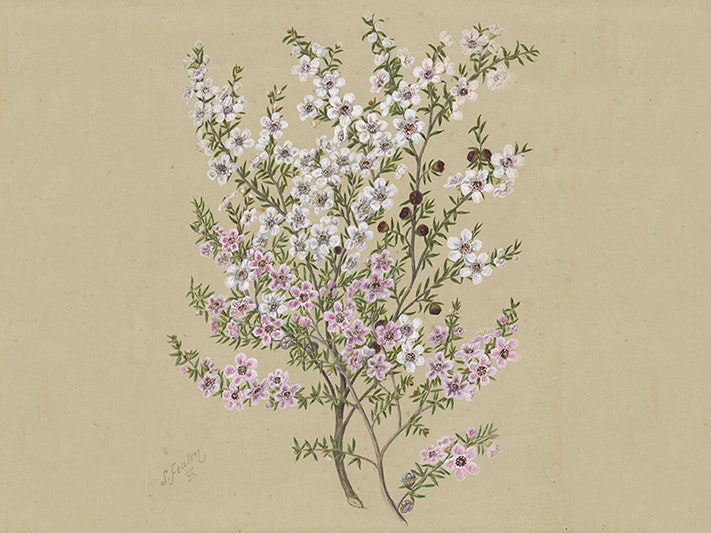
    Nancy Adams: Botanist and artist

    Nancy Adams (1926–2007) was one of Aotearoa New Zealand’s most notable botanists and a talented artist. One of Te Papa’s most prolific botany collectors of all time, she also painted and drew an incredible number of botanical illustrations. She used her artwork to produce important books about Aotearoa New Zealand’s flora, including seaweeds, flowers, trees, and alpine plants.

  • A snow-topped volcano that is spouting volcanic ash and smoke.

    Active land: Natural events in Aotearoa New Zealand

    Restless whenua, strong people. Rūaumoko, god of earthquakes and volcanoes, lays his challenge – his restless rumblings present us with taonga as well as hazards. A country where colliding and subducting plates cause quakes, volcanoes, tsunami, and landslides.

Insects, birds, animals, and dinosaurs of Aotearoa New Zealand

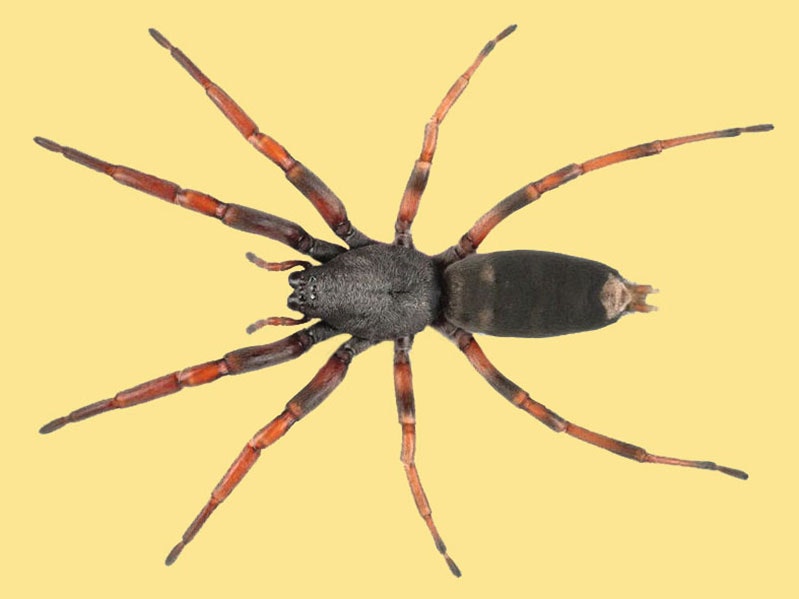
What is that spider? From charismatic megafauna to the tiniest insect, identifying bird feathers or different cicada sounds, find out about who you share the whenua with.

  • White-tailed spider on a pale yellow background.

    Spiders and insects

    Insects, arachnids, myriapods, bugs, creepy-crawlies, moths, butterflies and their allies.

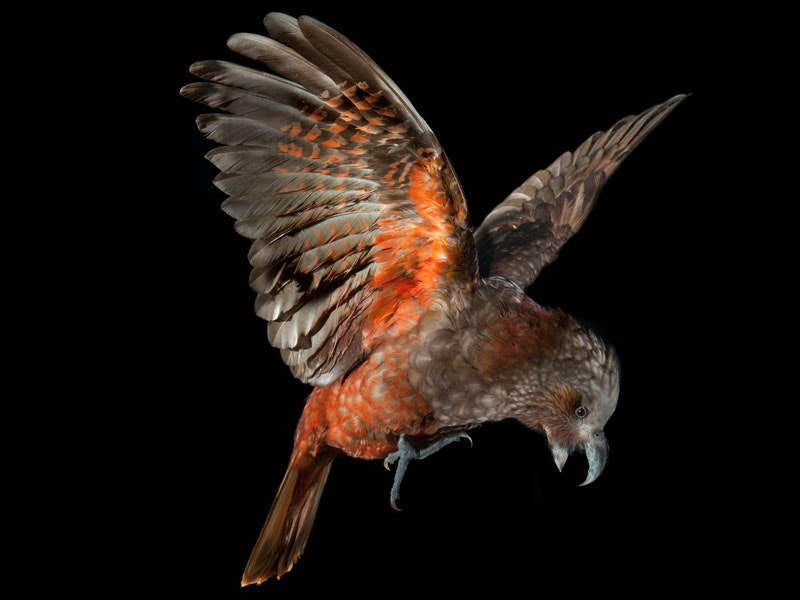
  • A kaka, a type of parrot with red under its wings

    Birds of Aotearoa New Zealand

    Birds are an important part of New Zealand's nationhood. We are the only nation where the people are often colloquially known by a bird name – ‘Kiwi’.

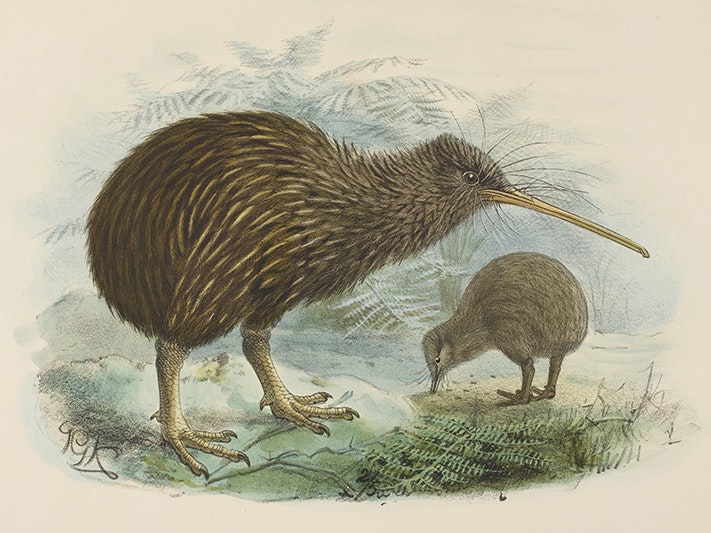
  • An illustration of two kiwi birds, one is much bigger than the other one.

    Kiwi – the national bird of Aotearoa New Zealand

    Along with being a symbol and nickname for people from Aotearoa New Zealand, the kiwi is also one of the strangest birds in the world – with noses at the end of their beaks, and giant eggs that take up much of their body.

    Kiwi feathers are used for kahu kiwi (woven cloaks) and are highly prized taonga (treasures) as they carry the wairua (spirit) of the kiwi whose feathers make up the cloak.

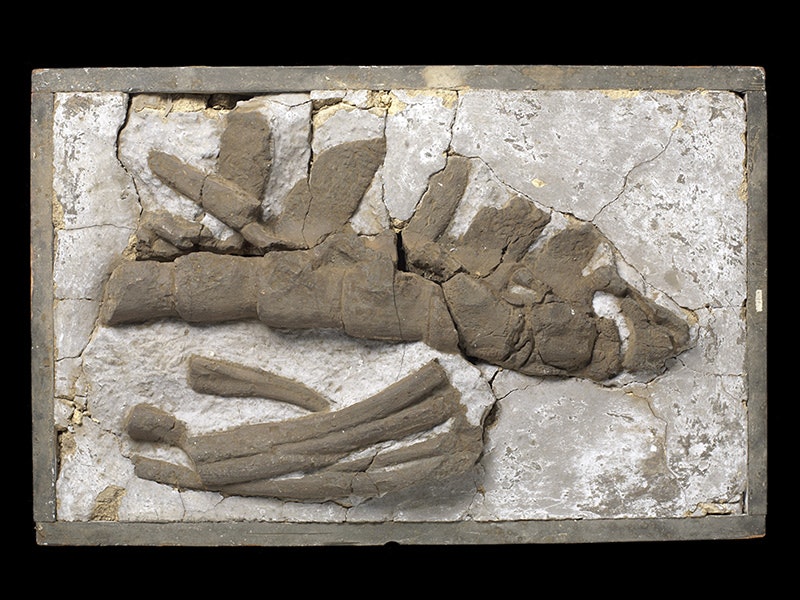
  • A set of bones in a flat plaster cast on a black background

    Fossils and dinosaurs

    Te Papa’s collections and research on dinosaur bones, animals, and plant fossils from past geological ages, and the people involved in the discovery of their remains.

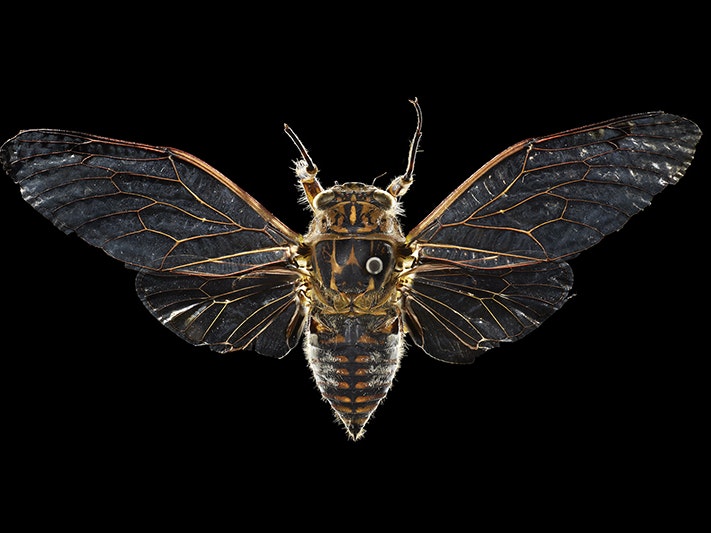
  • A top-down view of a cicada pinned on a black background.

    Kihikihi cicadas and their sounds

    Aotearoa New Zealand has 34 species of cicadas. Five of these species are then further divided into several subspecies, to give 42 unique species and subspecies of New Zealand cicada.

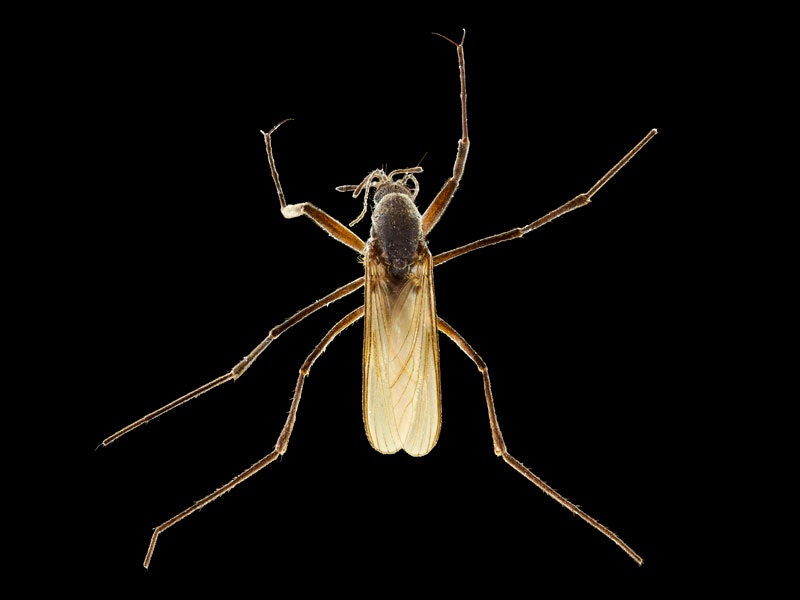
  • Photograph of a mosquito

    New Zealand Mosquito Census

    We need your help tracking New Zealand’s native and introduced mosquito species so we can get a better understanding of which species live where and how they’re spreading. Simply catch it, freeze it, and send it!

Botany and botanical collections

Do you know your ferns from your forget-me-nots? Do you collect plants from the side of the road to identify them? Te Papa’s botanical collections can help, along with research encompassing seaweeds, lichens, mosses, liverworts, lycophytes, ferns, and seed plants.

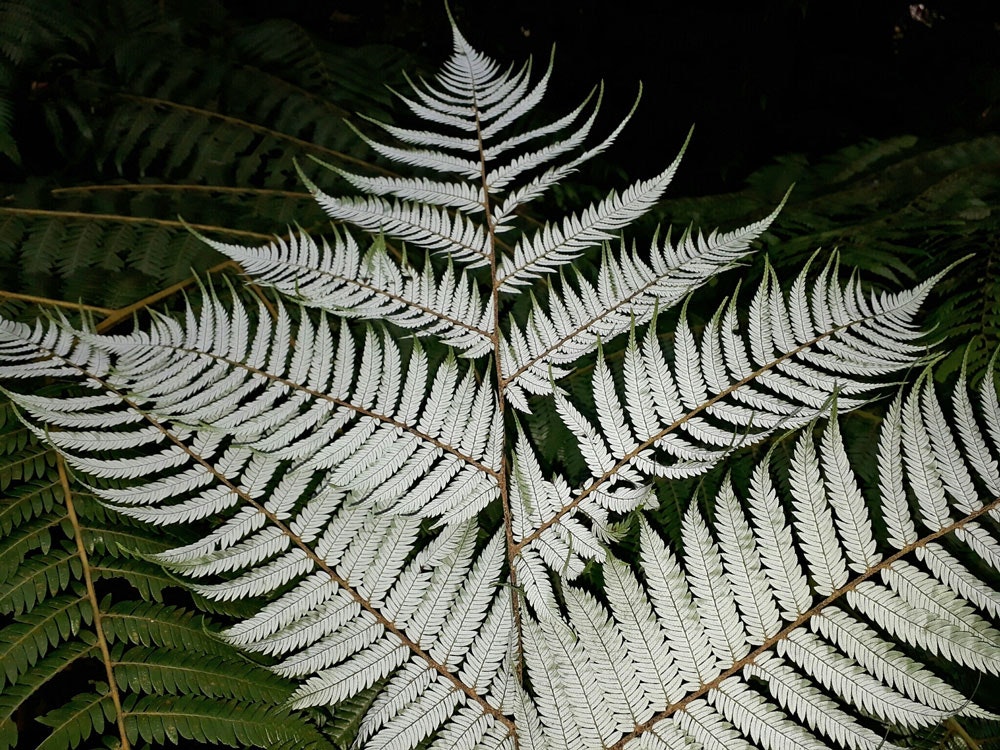
  • The underside of a fern frond

    Ferns in Aotearoa New Zealand and the Pacific

    Ferns are so prominent in Aotearoa New Zealand, we even wear them on our sporting uniforms. From botany research to citizen science, pressed-fern books of the 1800s to collecting All Blacks and tourism memorabilia, our collectors and curators spend a lot of time with ferns.

  • A clump of white flowers on a stalk with a blurred background.

    Forget-me-nots (Myosotis)

    The forget-me-nots (Myosotis, Boraginaceae) are often small rosette herbs. There are over 45 native species of Myosotis in Aotearoa New Zealand – find out more about these species and their habitats, botanical art, and Te Papa’s research in this area.

  • A small flowering plant on the side of a tree. The flowers are yellow.

    Orchids in Aotearoa New Zealand

    There are over 100 species of orchids in Aotearoa New Zealand and come in a variety of shapes, colours, and dimensions. They thrive in diverse habitats across the country. Take a look at Te Papa's research and work with orchids as well as highlights from our collections.

  • A black and white photo of a woman in a white coat sitting at a desk and looking at the camera.

    Nancy Adams: Botanist and artist

    Nancy Adams (1926–2007) was one of Aotearoa New Zealand’s most notable botanists and a talented artist. One of Te Papa’s most prolific botany collectors of all time, she also painted and drew an incredible number of botanical illustrations. She used her artwork to produce important books about Aotearoa New Zealand’s flora, including seaweeds, flowers, trees, and alpine plants.

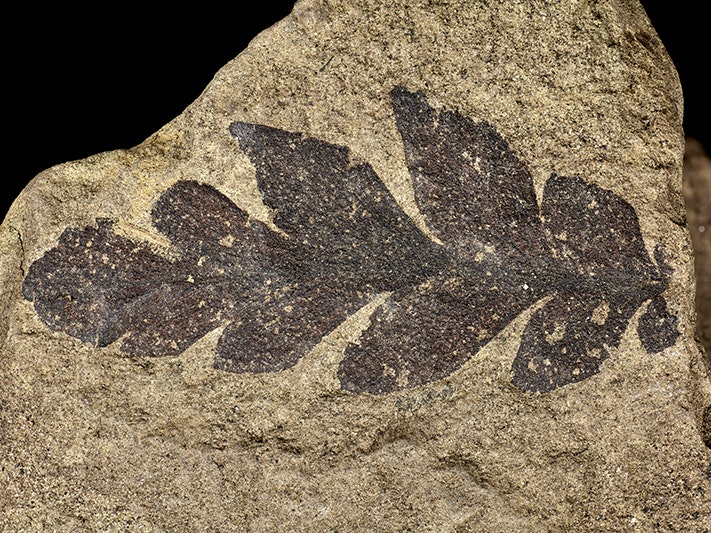
  • A fossil in a piece of rock that is a fern leaf.

    Plant fossils in our collection

    The herbarium at Te Papa has a collection of around 850 plant fossils from New Zealand and overseas collected by WRB Oliver, Mr HR Thompson, Mr Horace Fyfe, Mr H Hill, Mr M Ongley, and Jean-Claude Stahl among others. Many of these fossils can be seen on Collections Online.

Deep-sea creatures, whales, dolphins, and crustaceans of Aotearoa New Zealand

Just how big is the colossal squid really? What lives in the ocean and fresh waterways around Aotearoa New Zealand?

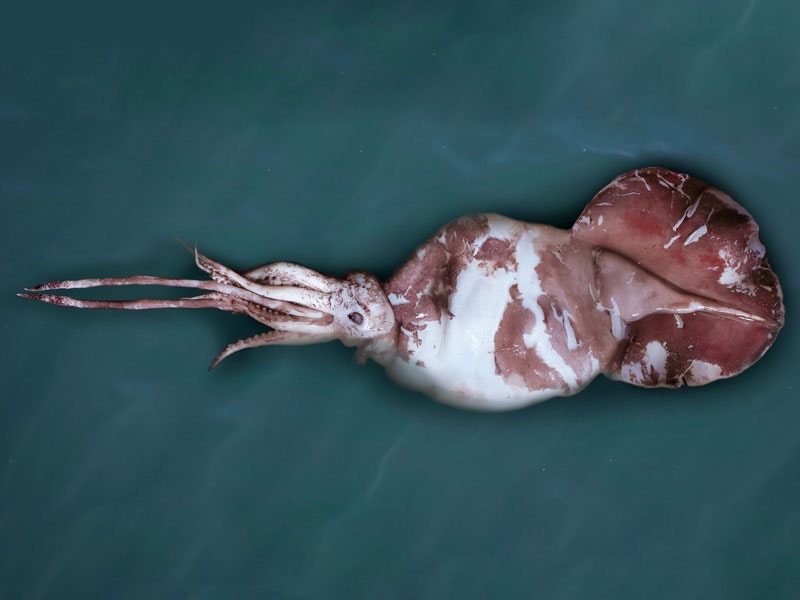
  • Photograph of a colossal squid

    Colossal squid

    All you’d want to know about the colossal squid – from its anatomy, to how it was found.

  • A lot of different fish on a blue background.

    The deep sea

    Colossal squids, fishes, and creatures of the deep. Te Papa holds the largest and most comprehensive collection in the country, and the largest collection of New Zealand fishes anywhere in the world.

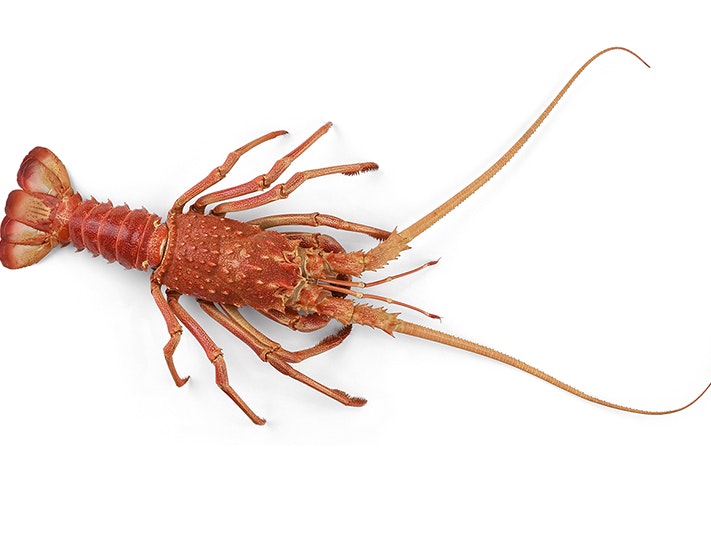
  • A spiny lobster on a white background.

    Crustaceans of Aotearoa New Zealand and the South Pacific

    Crustacea includes lobsters, crabs, shrimps, prawns, hoppers, wood lice, water fleas, and several other groups. Most crustaceans live in the sea but some are found in freshwater or on land. The one thing they all need to survive is water, or at least a moist habitat.

  • Tail of a whale as it dives into the ocean

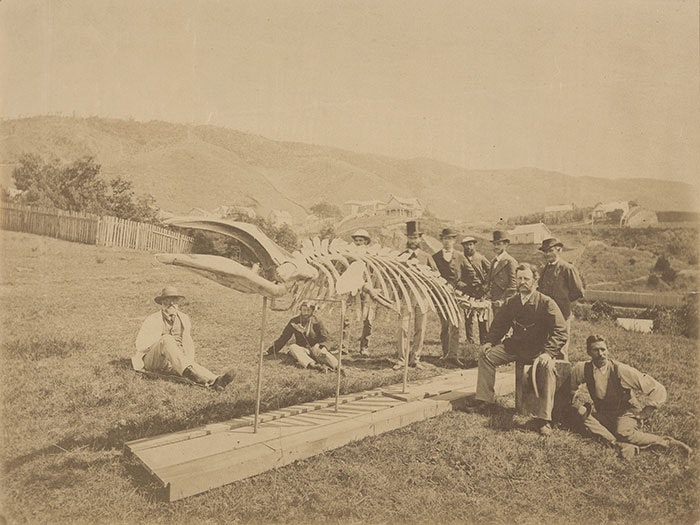
    Whales, dolphins, and sharks

    Researching, caring for, photographing, and displaying the whales, dolphins, and sharks of Aotearoa New Zealand and the South Pacific.

Aotearoa New Zealand environment knowledge and care

Aotearoa is a country of quakes, volcanoes, tsunami, and landslides. We live here and through mātauranga Māori​​​​‌‍​‍​‍‌‍‌​‍‌‍‍‌‌‍‌‌‍‍‌‌‍‍​‍​‍​‍‍​‍​‍‌‍‌​‌‍​‌‌‌​‌‍‌‍​‌‍‌‌​​‍‍‌‍​‌‍‌‍‌​‍​‍​‍​​‍​‍‌‍‍​‌​‍‌‍‌‌‌‍‌‍​‍​‍​‍‍​‍​‍‌‍‍​‌‌​‌‌​‌​​‌​​‍‍​‍​‍‌‌​‌‍‌‌‌​​‌‍​‌‌​​‌‍​‌​‍‌‌‍‌‌‍‌‌‍‌‌​​‍‌‌‍‍‌‍‍​‍‍‌‍​‌‌‍‌​‌‍‌‌‍‍‌‌‍‍​‍‍‌‍‌​‌‍​‌‌‌​‌‍‌‍​‌‍‌‌​​‍‍‌‍​‌‍‌‍‌​‍‌‍‌‌‌‍‌​‌‍‍‌‌‌​‌‍‌​‍​‍‌‍‍‌‌‌​‌‍‌‌‌‍‌‌‌‌‌​‌‍‌‌​​‌‍‌‌‌​​‍​‌‍​​‍​‍​​‌​​‌​​​​‍‌‍‍‌‌‌​‌‍‌‌‌‍‌‌​​‍​​‌​​​‍​​​‍​‍‌​​​​​‍​‌​​​​‍‌‍‌‌‌‍‌​‌‍‍‌‌‌​​‍​‌‍‌‍‌‍‍‌‌‍‌‌‌‍​‌‍‌​‌‌​​‌‍​‌‌‌​‌‍‍​​‌‌‌​‌‍‌‌‌​‍‌‍‌​‍​‍‌‌, Western science, ingenuity, and manaakitanga​​​​‌‍​‍​‍‌‍‌​‍‌‍‍‌‌‍‌‌‍‍‌‌‍‍​‍​‍​‍‍​‍​‍‌‍‌​‌‍​‌‌‌​‌‍‌‍​‌‍‌‌​​‍‍‌‍​‌‍‌‍‌​‍​‍​‍​​‍​‍‌‍‍​‌​‍‌‍‌‌‌‍‌‍​‍​‍​‍‍​‍​‍‌‍‍​‌‌​‌‌​‌​​‌​​‍‍​‍​‍‌‌​‌‍‌‌‌​​‌‍​‌‌​​‌‍​‌​‍‌‌‍‌‌‍‌‌‍‌‌​​‍‌‌‍‍‌‍‍​‍‍‌‍​‌‌‍‌​‌‍‌‌‍‍‌‌‍‍​‍‍‌‍‌​‌‍​‌‌‌​‌‍‌‍​‌‍‌‌​​‍‍‌‍​‌‍‌‍‌​‍‌‍‌‌‌‍‌​‌‍‍‌‌‌​‌‍‌​‍​‍‌‍‍‌‌‌​‌‍‌‌‌‍‌‌‌‌‌​‌‍‌‌​​‌‍‌‌‌​​‍​‌‍​​‍​‍​​‌​​‌​​​​‍‌‍‍‌‌‌​‌‍‌‌‌‍‌‌​​‍‌‍​‌‍‌​‌‍‌​‌‍‌‌‌‍‍‌‍​​​​‌‌‌‌‌​‌‌‌‌​‌​‍‌‍‌‍‌​‌‌‌​​‌‌​‌‌​‌‍‌‌‌‌‌‌‌​‍‌‍‍​​​​‌‌​‍‌‍‌‌‌‍‌​‌‍‍‌‌‌​​‍​‌‍‌‍‌‍‍‌‌‍‌‌‌‍​‌‍‌​‌‌​​‌‍​‌‌‌​‌‍‍​​‌‌‌​‌‍‌‌‌​‍‌‍‌​‍​‍‌‌, we create resilient buildings, speedy large-scale responses, and community action.

  • A snow-topped volcano that is spouting volcanic ash and smoke.

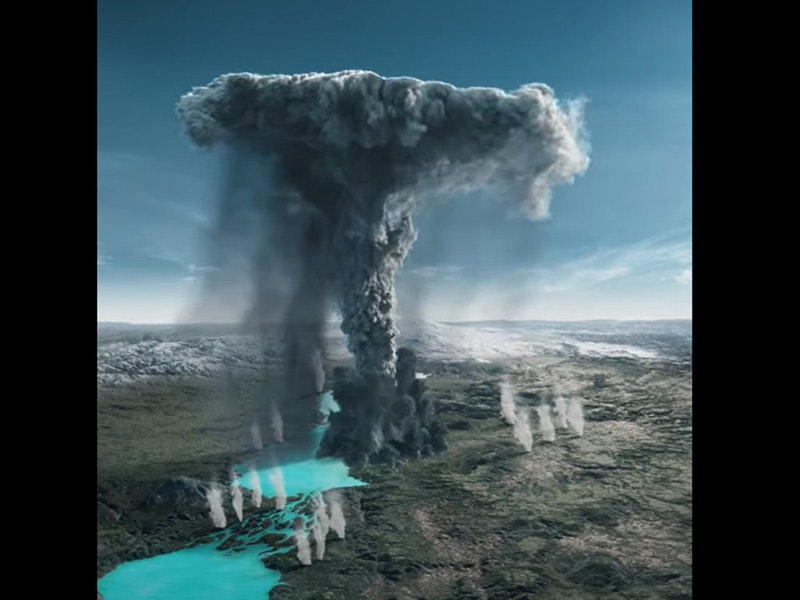
    Active land: Natural events in Aotearoa New Zealand

    Restless whenua, strong people. Rūaumoko, god of earthquakes and volcanoes, lays his challenge – his restless rumblings present us with taonga as well as hazards. A country where colliding and subducting plates cause quakes, volcanoes, tsunami, and landslides.

  • An aerial photo of a city in ruins after an earthquake.

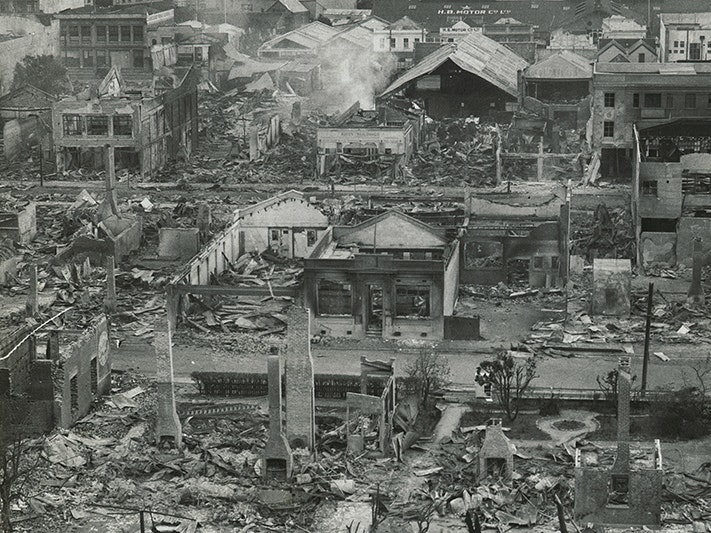
    Faultlines: Earthquakes in Aotearoa New Zealand

    Around 20,000 shakes are measured every year in Aotearoa New Zealand – about 55 a day – our whenua (land) never stops shaking. Plates collide. Pressure builds. The land ruptures. How do we cope with living on such shaky ground?

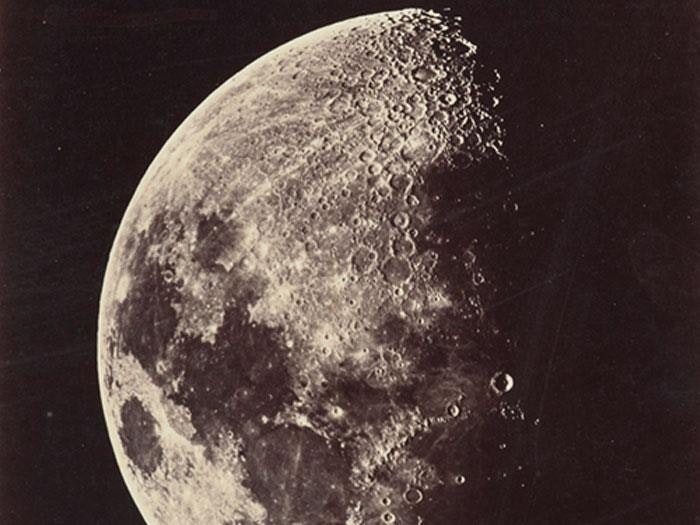
  • Close photo of the moon.
    The Maramataka | Māori calendar

    The maramataka is a planting and fishing monthly almanac. For most iwi, the lunar months begin with the new moon (Whiro), but for others it begins with the full moon (Rākaunui). The start of each month is aligned to the morning rising of particular stars.

  • Visitor plays with a digital screen on it the words says 'Petrol cars should be banned by 2030. How do you feel about this idea?'

    The Current

    Idea: Soil connects us to culture, food, nature, people, and place, so we shouldn’t treat soil like rubbish.

    How do you feel about this idea?

  • A partial satelite view of Aotearoa New Zealand with some design brackets on top of it.

    Watch: The Active Land talks

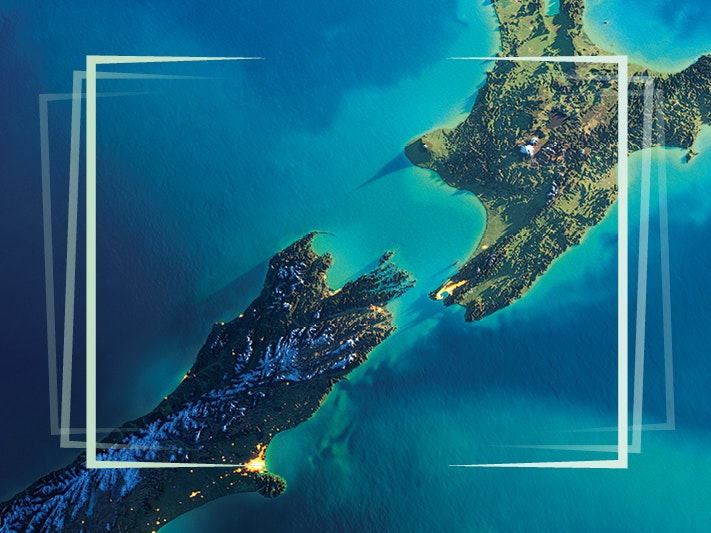
    The Active Land talk series hosted at Te Papa highlights the diverse range of cutting-edge research into natural hazards happening in Wellington. In partnership with the Natural Hazard Commission (NHC) Toka Tū Ake.
Mātauranga and Western science and at Te Papa

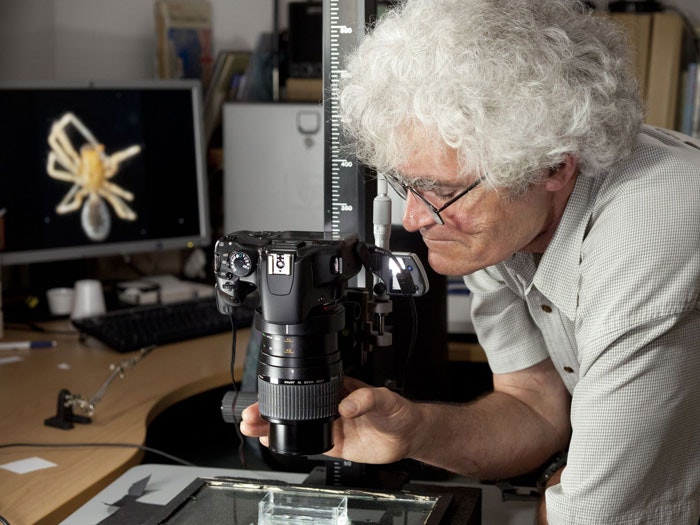
Natural history, mātauranga Māori, and Western scientific research is a huge part of the mahi that goes on at Te Papa. See what the researchers and curators have been working on.