





Matariki: The Māori New Year
Learn all about Matariki and see our events. Matariki is a time to gather with family and friends to reflect on the past, celebrate the present, and plan for the future.
Free museum entry for New Zealanders and people living in New Zealand
Open every day 10am-6pm
(except Christmas Day)
Free museum entry for New Zealanders and people living in New Zealand
Browse New Zealand’s rich history through pictures, quizzes, videos, and articles. Learn about the natural environment, Pacific and Māori culture, and everything in between – from vintage fashion to rugby.
Learn all about Matariki and see our events. Matariki is a time to gather with family and friends to reflect on the past, celebrate the present, and plan for the future.
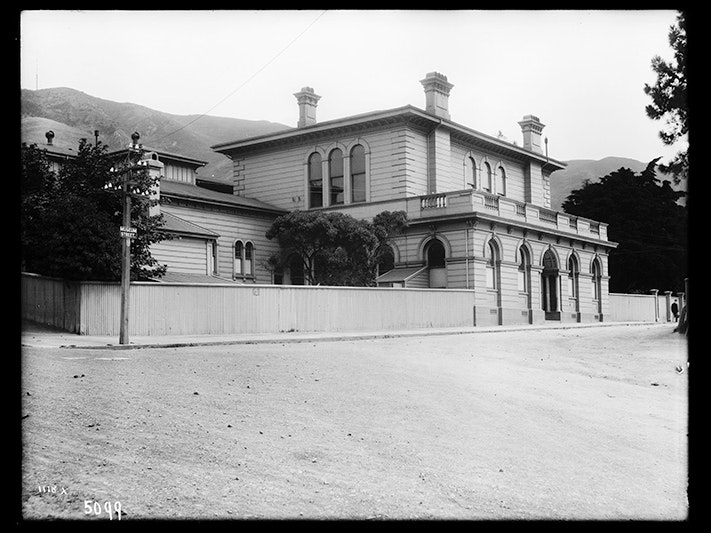
Founded in Thorndon in 1865 by Sir James Hector, the Colonial Museum was Te Papa’s predecessor. Discover its early stories and people, and how past collecting practices continue to shape – and sometimes hinder – provenance research today.
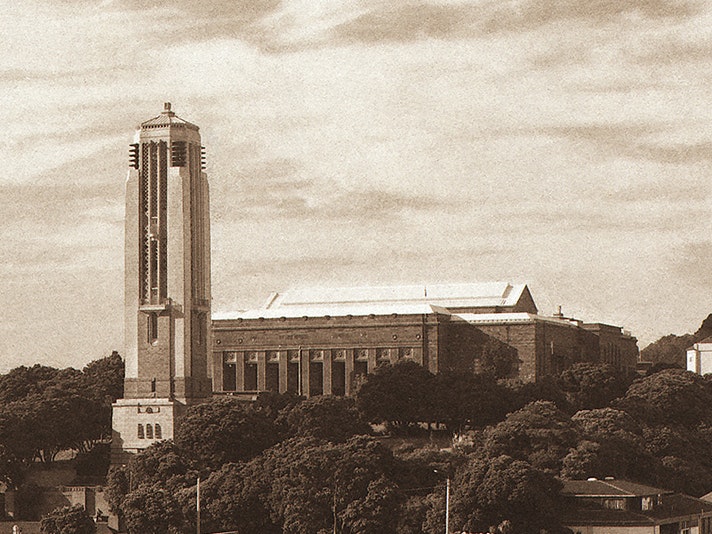
In 1907, the Colonial Museum was renamed the Dominion Museum and took on a broader national focus. In 1936, a new building opened in Buckle Street to house the Dominion Museum and new National Art Gallery. In 1972, the Dominion Museum became the National Museum.
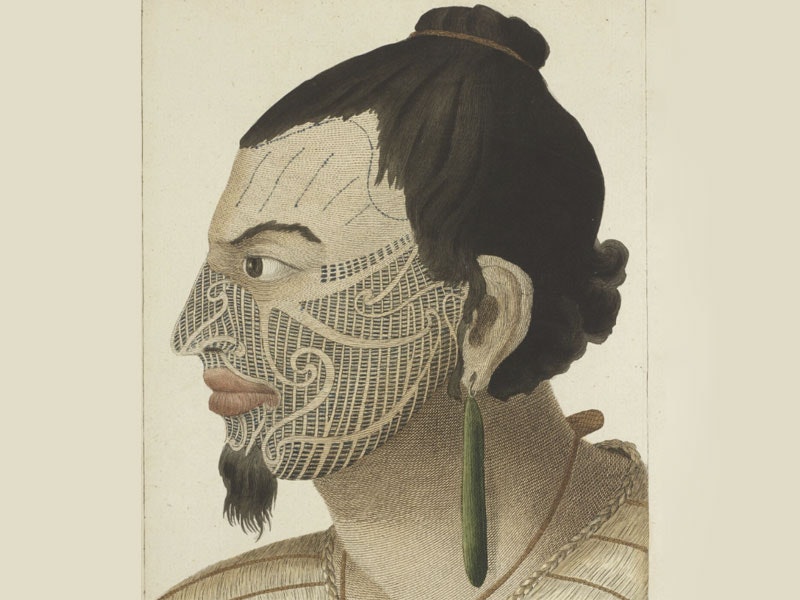
The practice of Māori tā moko developed on from Pacific tattooing in isolation. Find out about techniques, differences in tools and styles, photography and art, and aspects of early international trade in colonial collecting.

Watch five interviews with eight Pasifika women examining the trope of the sensual ‘dusky maiden’ and the cultural significance of flowers in the Te Moananui-a-Kiwa Pacific Islands. Explore further through blog articles responding to the films, Te Papa collection images, and Pacific writing and media.
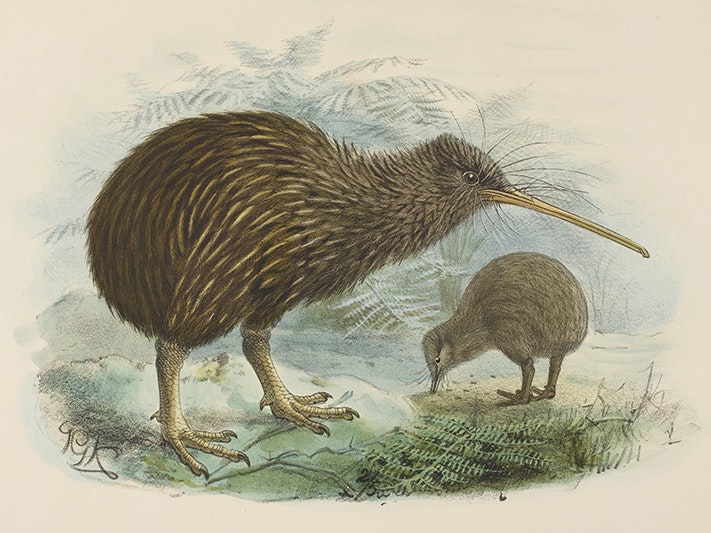
Along with being a symbol and nickname for people from Aotearoa New Zealand, the kiwi is also one of the strangest birds in the world – with noses at the end of their beaks, and giant eggs that take up much of their body.
Kiwi feathers are used for kahu kiwi (woven cloaks) and are highly prized taonga (treasures) as they carry the wairua (spirit) of the kiwi whose feathers make up the cloak.
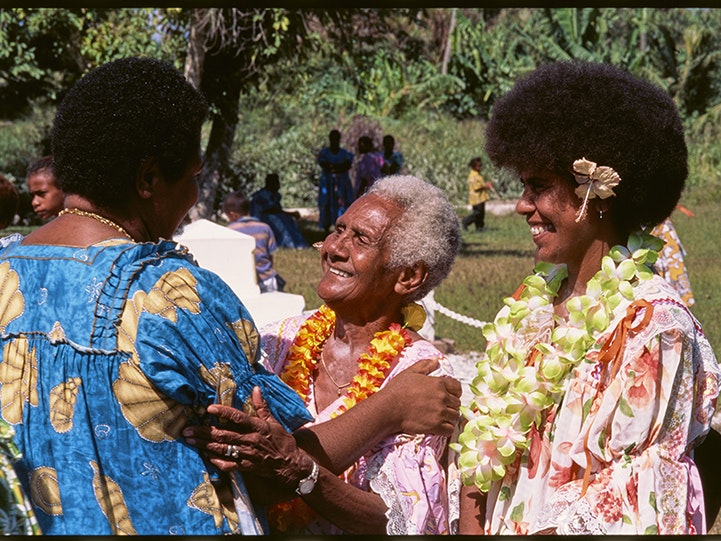
Vanuatu is a South Pacific archipelago of over 80 islands, known for its extraordinary cultural diversity, with more than 100 spoken languages, with the official languages being English, French and Bislama, an English-based creole language. Find out about Vanuatu in our collections.

After acquiring a book of tapa samplers collected by Alexander Shaw that represents tapa-making practices from various islands in the Pacific, tapa makers, Te Papa curators, and our Senior Librarian, gathered together in Tahiti for a wānanga (workshop) to explore and respond to the samplers in the book.
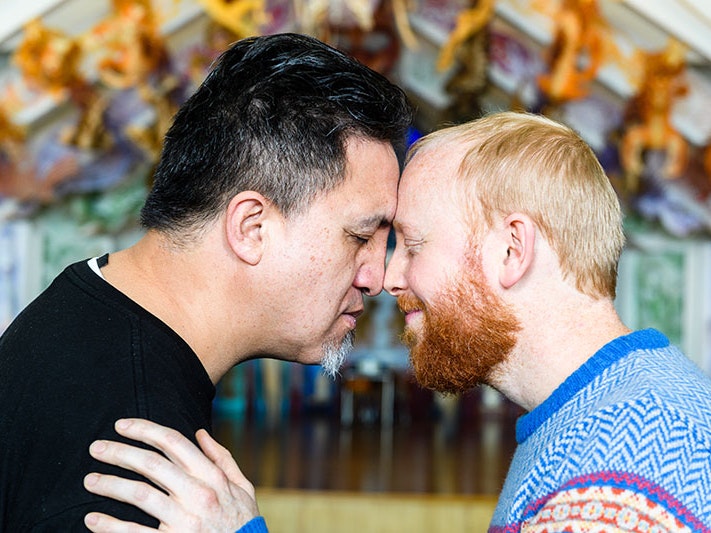
Are you interested in peeking inside Te Papa to take a journey into the wonders, taonga (treasures), and events that make up Aotearoa New Zealand’s history? Find out about our online learning options.
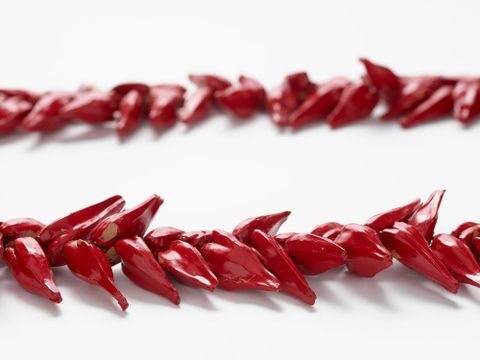
Our collections represent stories of Sāmoa and its people. Explore some of our Sāmoan stories about our collections from Apia to Auckland, tatau to travelling umu boxes, headdresses to hip hop, and more.

Two studies that will help us understand how the relationship between Māori and cetaceans has changed since people first arrived in Aotearoa by combining mātauranga Māori (traditional Māori knowledge) with techniques used in archaeological science to tell this story.
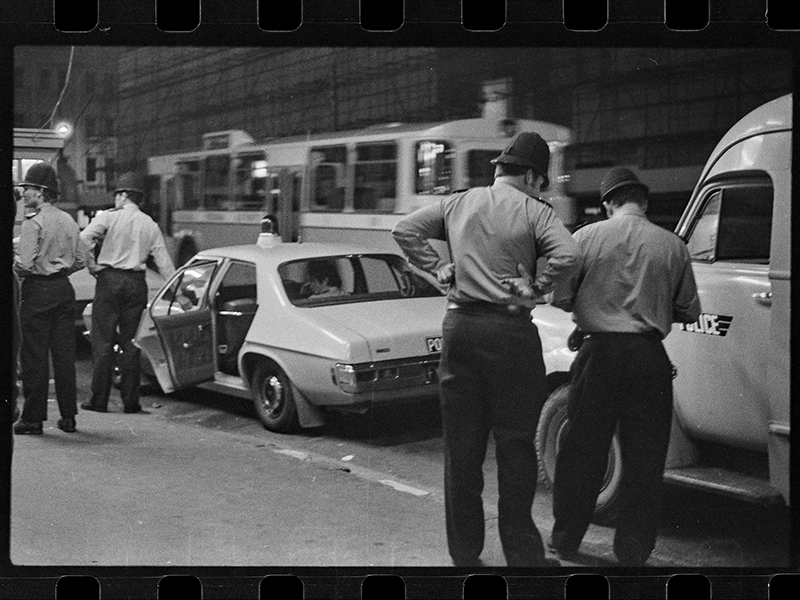
The Dawn Raids were the Government’s promise to ‘get tough’ on law and order and immigration in the 1970s. Raids took place in the early hours of the morning or late at night when police would enter homes to convict and deport so-called ‘over-stayers’.
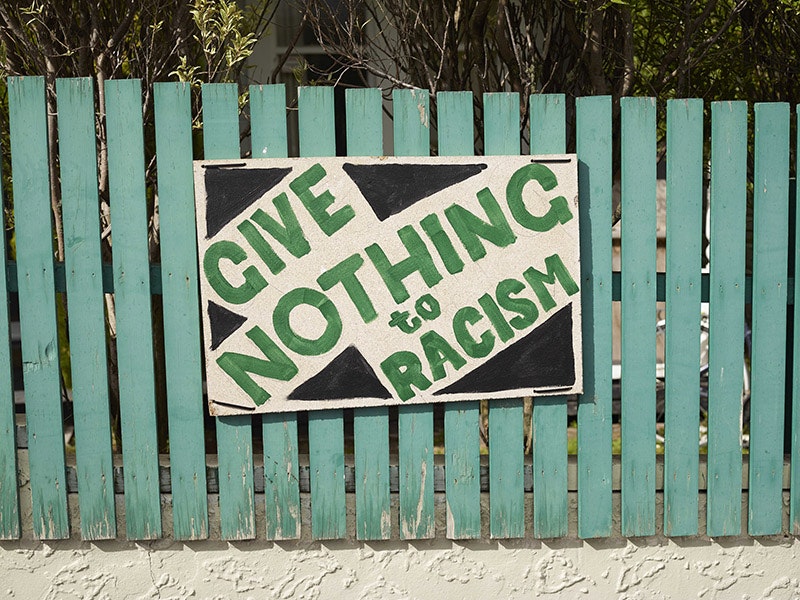
Read about protest collecting, decolonisation, and antiracism from our tohunga (experts), and across the web.

From 1984 to 1986, the exhibition Te Maori was a pivotal moment in Māori cultural revival showcasing traditional artwork on the international stage. It is widely acclaimed as an exhibition that changed the way that museums and art galleries interpreted and managed taonga Māori.

Leslie Adkin was a farmer and noted amateur geologist and ethnologist. Photography was also a passion of his, and he documented every aspect of his life, from his family to his scientific interests, from the 1910s until the 1950s. Explore some of the Leslie Adkin collection.

Restless whenua, strong people. Rūaumoko, god of earthquakes and volcanoes, lays his challenge – his restless rumblings present us with taonga as well as hazards. A country where colliding and subducting plates cause quakes, volcanoes, tsunami, and landslides.

There are around 14,800 residents across the Cook Islands, with a significant population living in Aotearoa New Zealand, maintaining strong ties home. Explore Te Papa’s Cook Island collections and stories from the community.
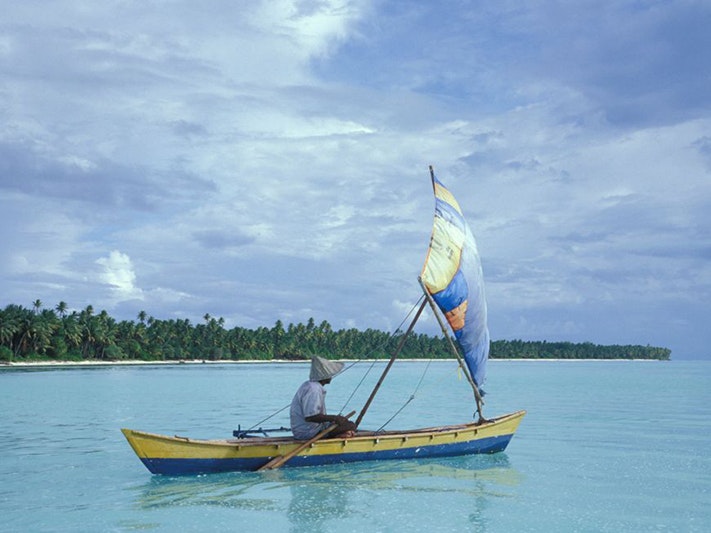
The Republic of Kiribati is an island nation of over 32 atolls in Micronesia, in the central Pacific Ocean, with most of its population of over 119,000 living on the island of Tarawa. Find out about Kiribati in our collections.
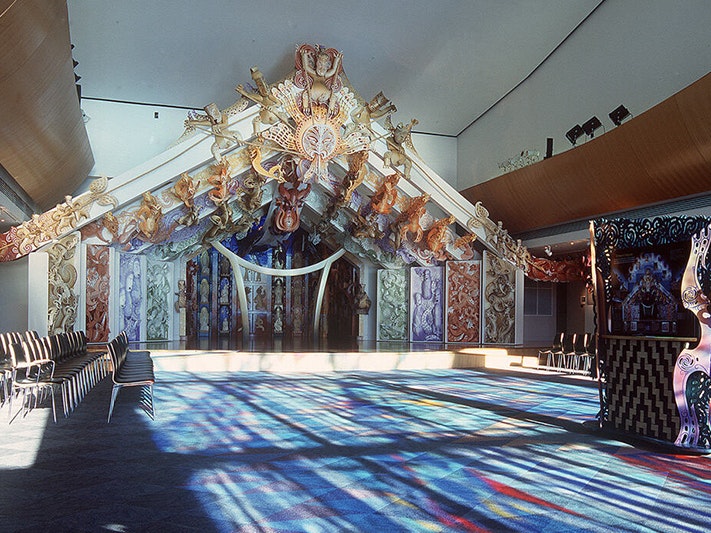
Rongomaraeroa is a unique marae (meeting place) within Aotearoa New Zealand. Like all marae, it is founded on Māori principles of kawa (marae protocol) and tikanga (cultural practices) it was created for our unique museum context as a contemporary marae acknowledging the whakapapa (ancestral history) and the taonga (treasures) of all peoples who call Aotearoa New Zealand home.
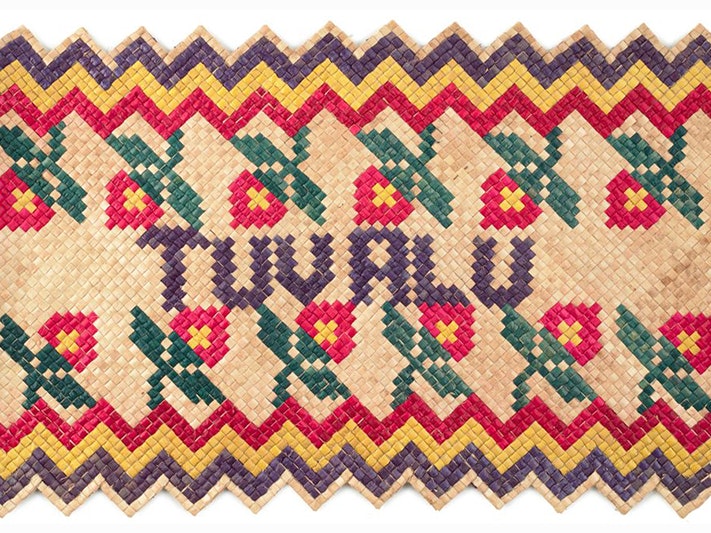
Tuvalu is made up of six atolls Nanumea, Nui, Vaitupu, Nukufetau, Funafuti, Nukulaelae, and three reef islands, Nanumaga, Niutao, and Niulakita, making up a total land area of 26 square kilometres.
Explore some of the collections in Te Papa, and read about the lives and history of the people of Tuvalu.
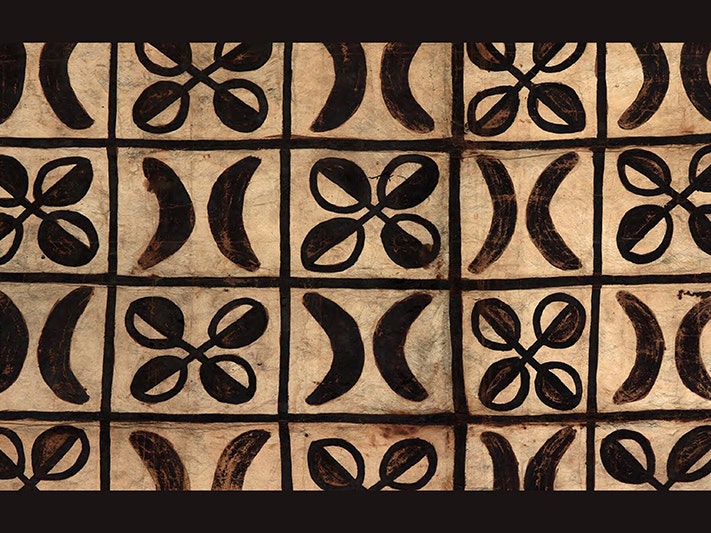
Find out about how tapa has been used, read about wānanga (workshops) contemporary makers, and see the tools used to make tapa and the beautiful taonga (treasures) in our collection.

Nancy Adams (1926–2007) was one of Aotearoa New Zealand’s most notable botanists and a talented artist. One of Te Papa’s most prolific botany collectors of all time, she also painted and drew an incredible number of botanical illustrations. She used her artwork to produce important books about Aotearoa New Zealand’s flora, including seaweeds, flowers, trees, and alpine plants.
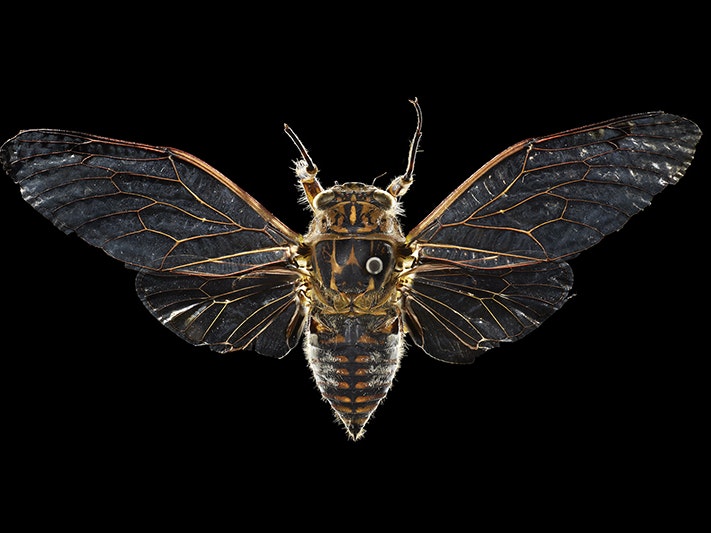
Aotearoa New Zealand has 34 species of cicadas. Five of these species are then further divided into several subspecies, to give 42 unique species and subspecies of New Zealand cicada.
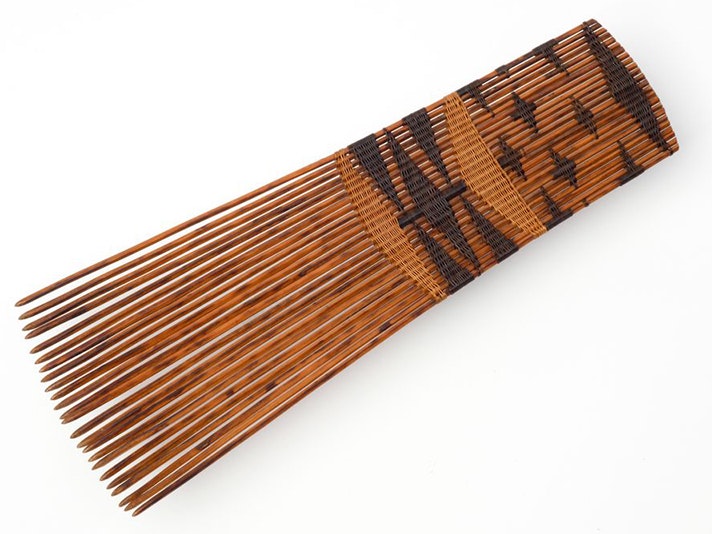
Tonga, officially known as the Kingdom of Tonga, and also known as ‘The Friendly Islands’, is a group of islands in the South Pacific. It is currently the only Pacific country with a constitutional monarchy. Read stories and view our collections in connection to Tonga and the people of Tonga.
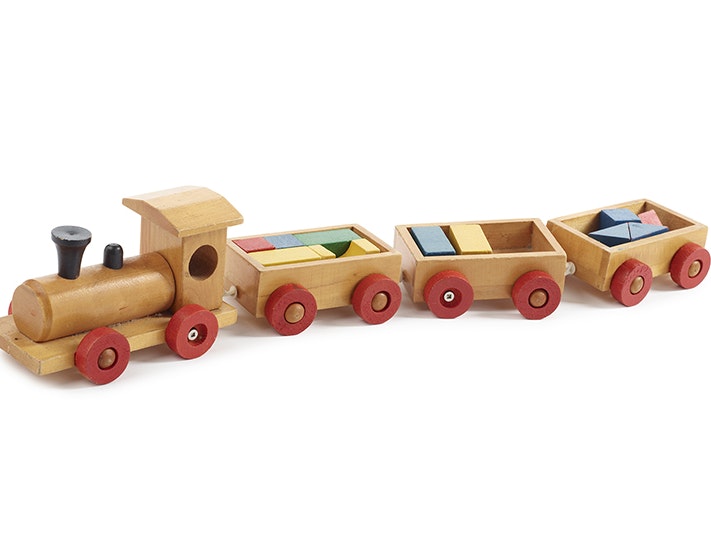
What do children care about? What do they play with? How do they learn? How can museums represent the experiences of young people? Included here are stories exploring what it is like to grow up in Aotearoa New Zealand, and objects showing how childhoods have changed.
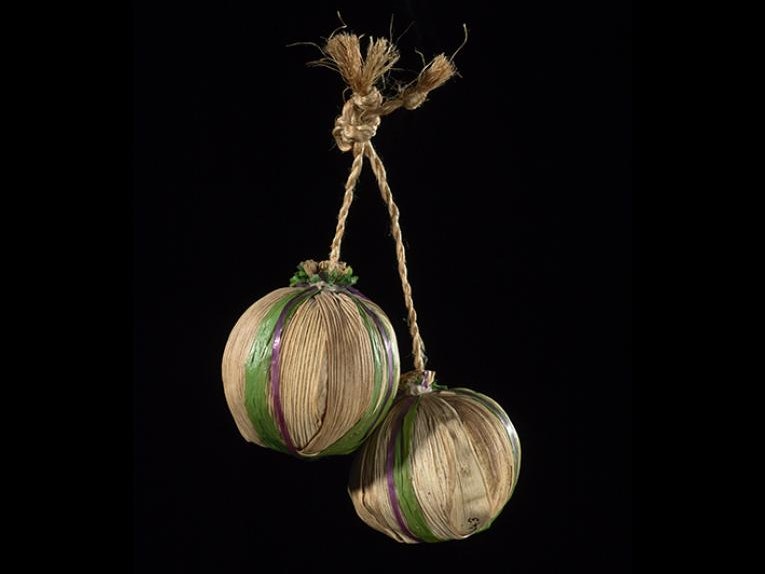
Learn about poi in our collections, explore stories intertwined with this practice, and watch the techniques and performances by kaumātua (respected elders) in te ao Māori.
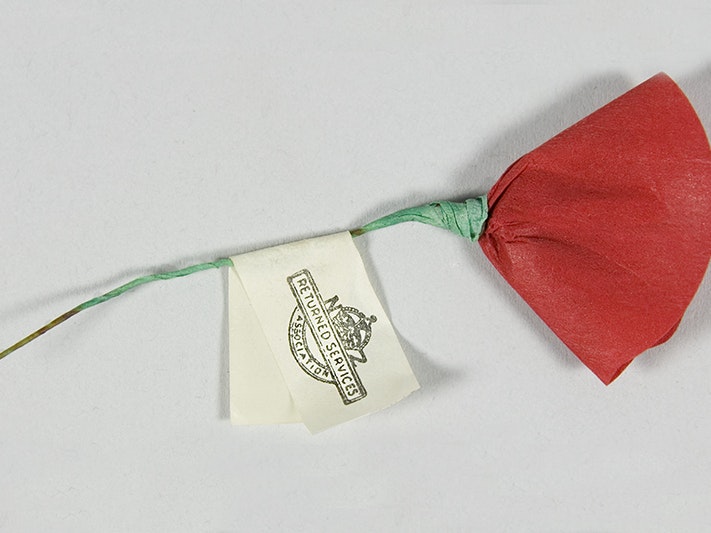
ANZAC refers to the soldiers from Aotearoa New Zealand and Australia who served in the Australian and New Zealand Army Corps (ANZAC) during the First World War. Anzac Day is held annually on April 25 as a national day of remembrance to commemorate those who served and those who died in all international wars, conflicts, and peacekeeping operations.
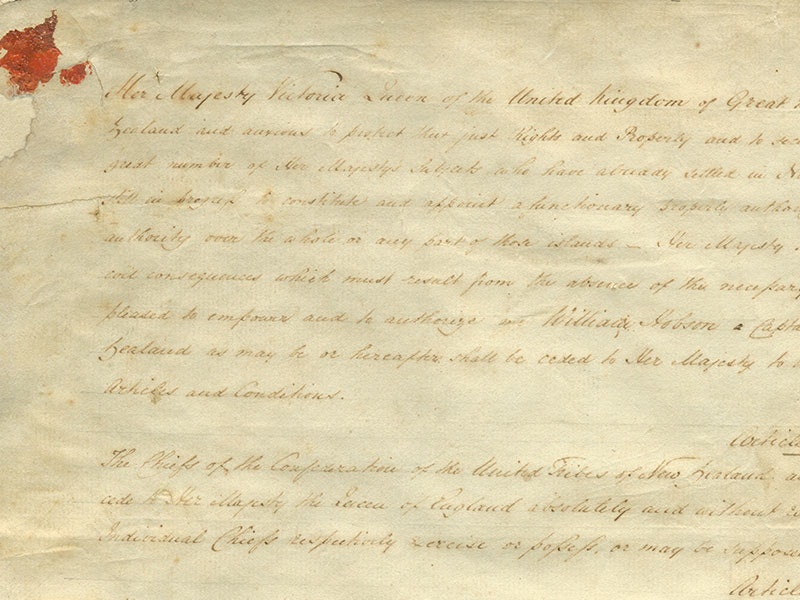
It is celebrated and argued over. It contains contradictions, and yet it offers clarity. It has a rocky past, but it is providing New Zealanders with new ways forward. It is the Treaty of Waitangi – this nation’s founding agreement.
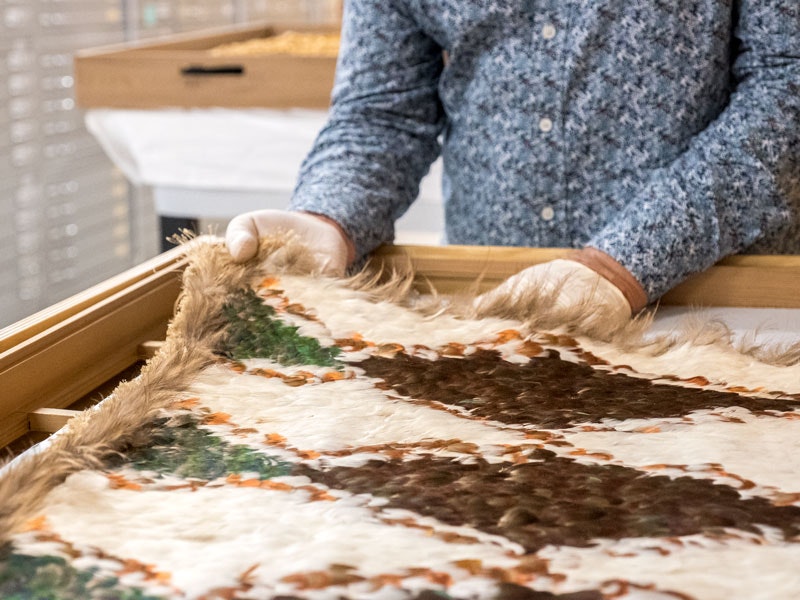
Biculturalism. Decolonisation. Mātauranga Māori. Dive into te ao Māori, explore Matariki, brush up on your reo Māori, and learn how the kiwi lost its wings.
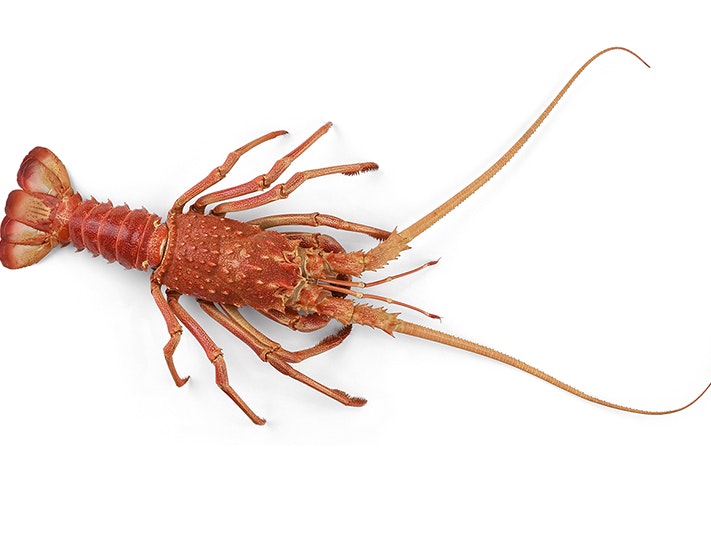
Crustacea includes lobsters, crabs, shrimps, prawns, hoppers, wood lice, water fleas, and several other groups. Most crustaceans live in the sea but some are found in freshwater or on land. The one thing they all need to survive is water, or at least a moist habitat.
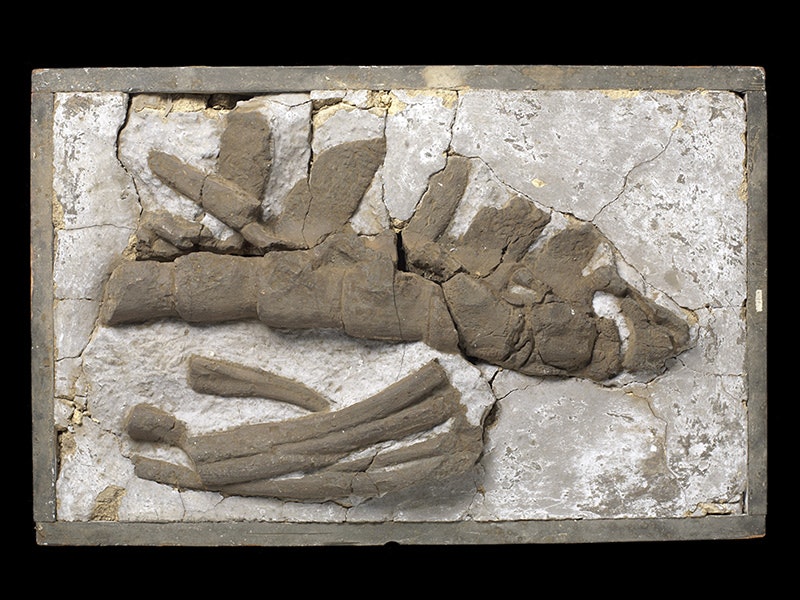
Te Papa’s collections and research on dinosaur bones, animals, and plant fossils from past geological ages, and the people involved in the discovery of their remains.
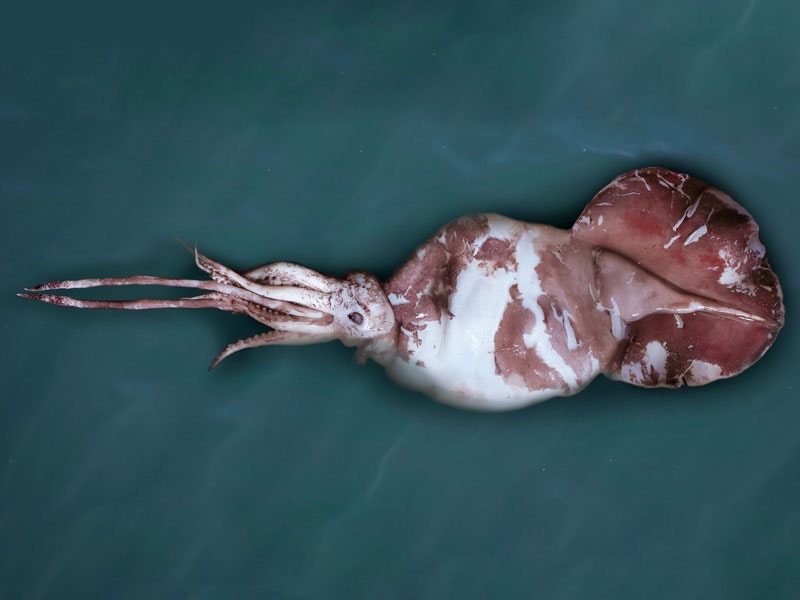
All you’d want to know about the colossal squid – from its anatomy, to how it was found.
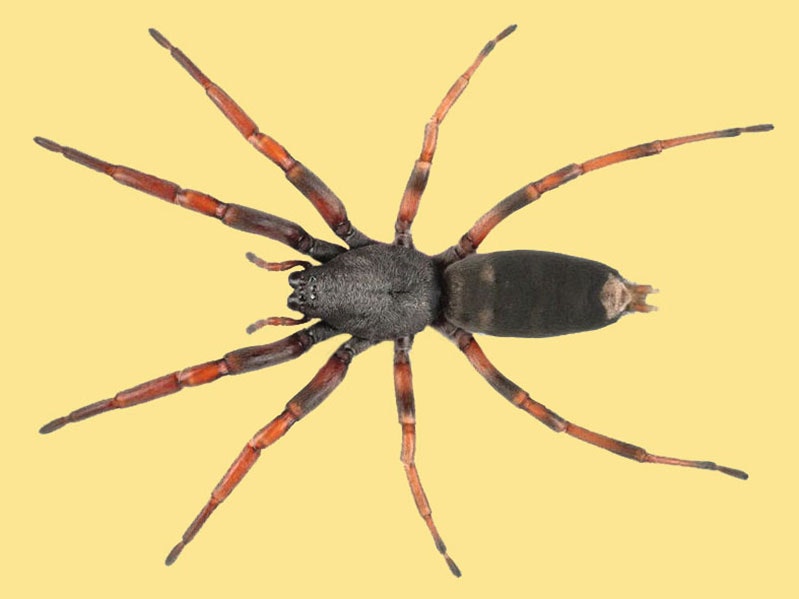
Insects, arachnids, myriapods, bugs, creepy-crawlies, moths, butterflies and their allies.

The forget-me-nots (Myosotis, Boraginaceae) are often small rosette herbs. There are over 45 native species of Myosotis in Aotearoa New Zealand – find out more about these species and their habitats, botanical art, and Te Papa’s research in this area.
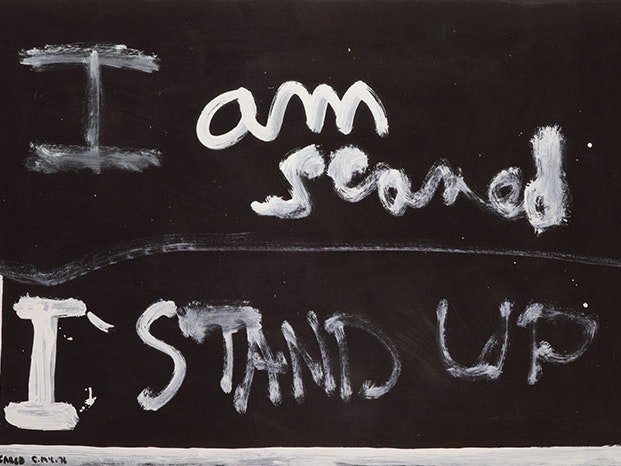
Explore the work of artists and photographers from the National Art Collection including Robin White, Ans Westra, Matt Pine, Colin McCahon, Tony Fomison, Maureen Lander, and Rita Angus, through videos, podcasts, and in-depth articles. Find out about favourite art works from our curators, or see what is in our collections.
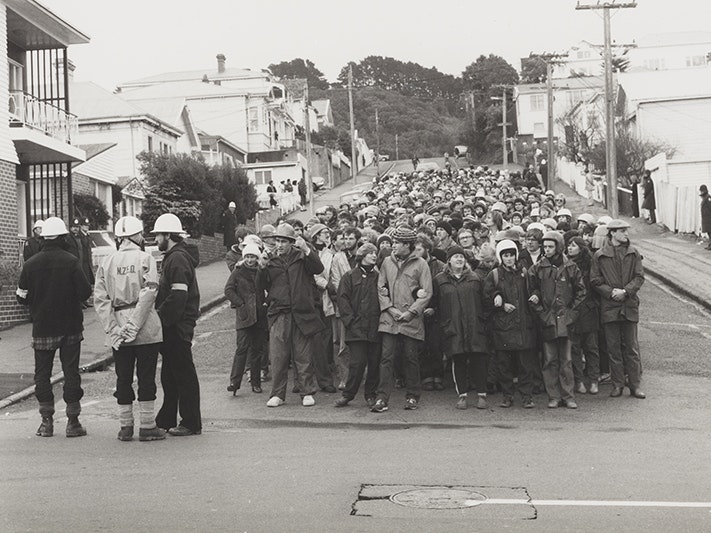
Dutch-born New Zealand photographer Ans Westra is known for her black-and-white documentary photography of the people of Aotearoa New Zealand, including protests and marches, Māori communities, street photography, and industrial scenes.
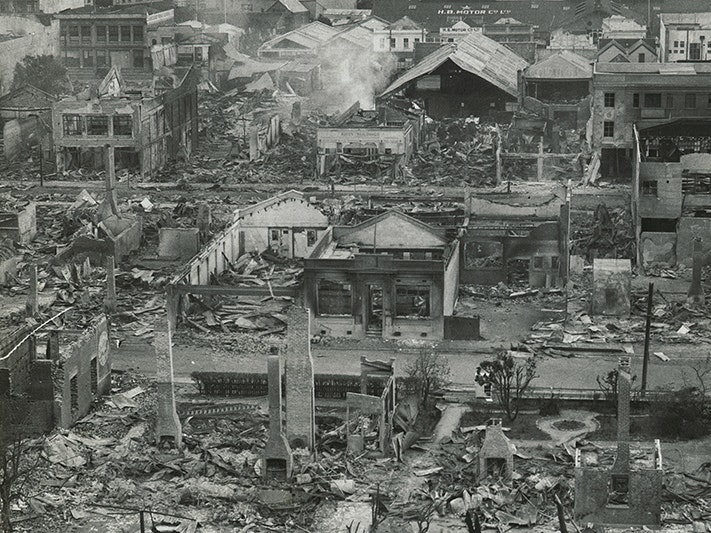
Around 20,000 shakes are measured every year in Aotearoa New Zealand – about 55 a day – our whenua (land) never stops shaking. Plates collide. Pressure builds. The land ruptures. How do we cope with living on such shaky ground?
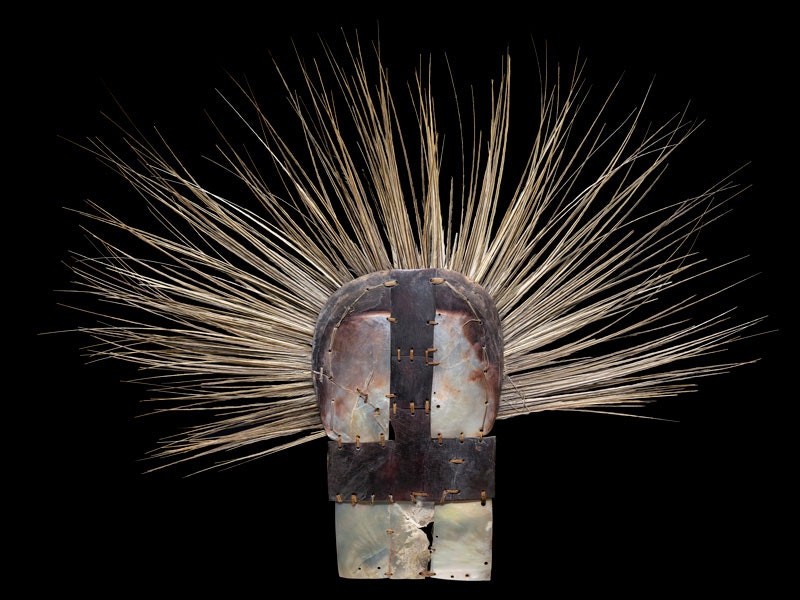
Hear about tatau (Sāmoan tattooing), weaving in Tokelau, browse our Pacific collections online, and read blogs.

There are over 100 species of orchids in Aotearoa New Zealand and come in a variety of shapes, colours, and dimensions. They thrive in diverse habitats across the country. Take a look at Te Papa's research and work with orchids as well as highlights from our collections.
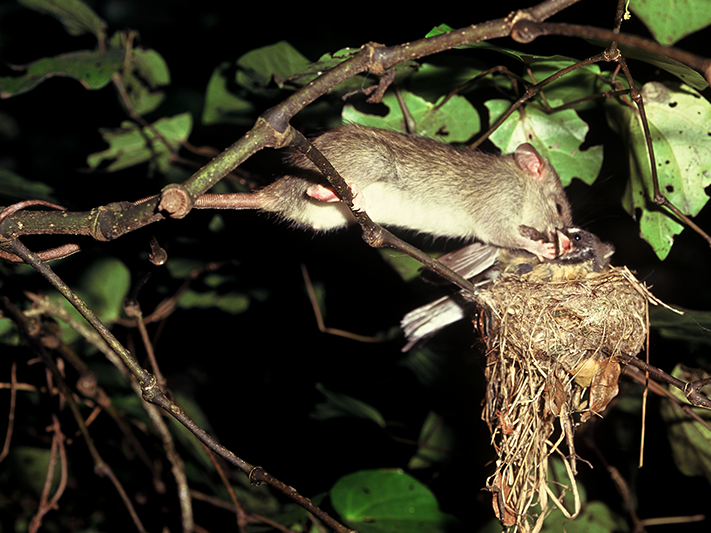
Idea: Soil connects us to culture, food, nature, people, and place, so we shouldn’t treat soil like rubbish.
How do you feel about this idea?
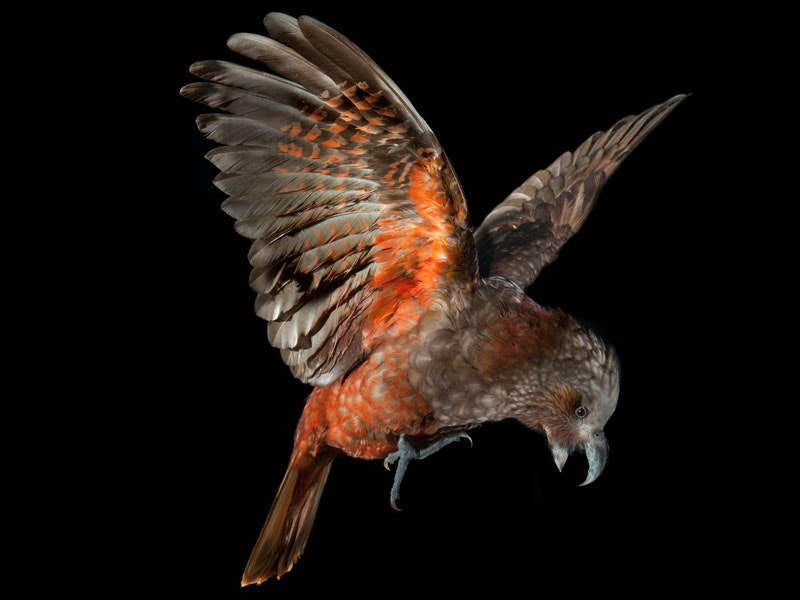
Birds are an important part of New Zealand's nationhood. We are the only nation where the people are often colloquially known by a bird name – ‘Kiwi’.
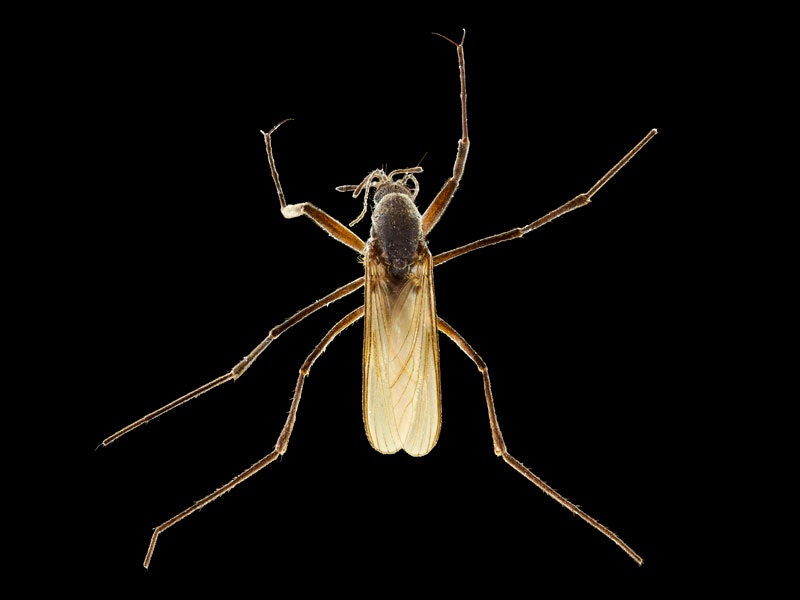
We need your help tracking New Zealand’s native and introduced mosquito species so we can get a better understanding of which species live where and how they’re spreading. Simply catch it, freeze it, and send it!
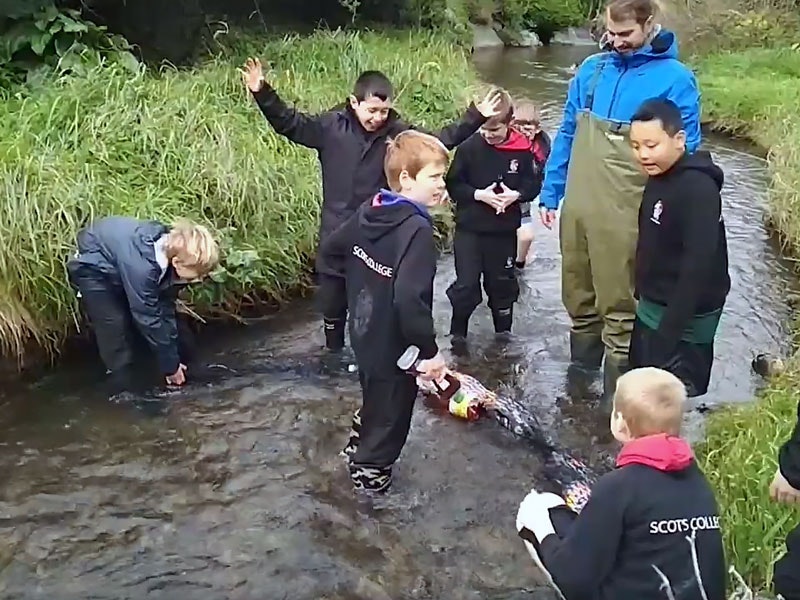
River cleaners, tree planters, possum trappers, and climate crusaders. Explore stories from around Aotearoa New Zealand of communities taking care of their natural environment.
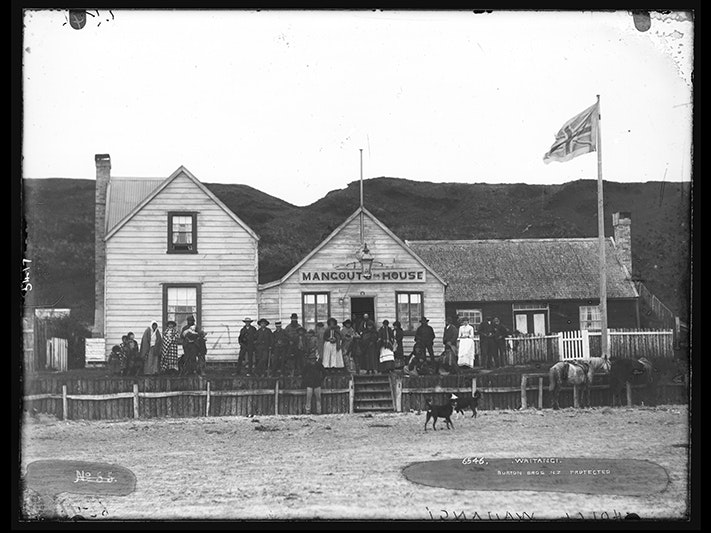
Rēkohu Chatham Islands are 862 kilometres east of Christchurch and are 45 minutes ahead of New Zealand time. The Chatham Rise, a 1,400-kilometre mostly underwater land mass connects them to New Zealand. Lakes and lagoons cover about a quarter of the biggest island.
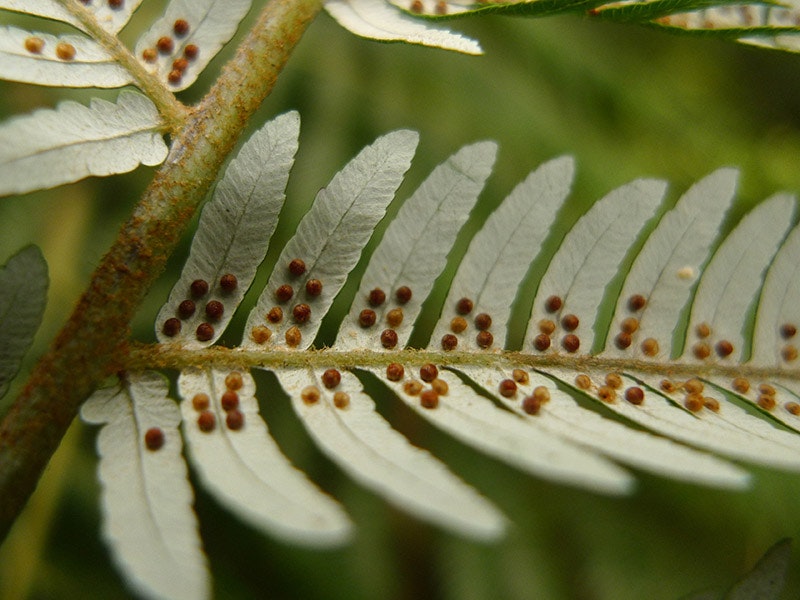
Te Papa’s botanical collections and research encompass marine algae (seaweeds), lichens, mosses, liverworts, lycophytes, ferns, and seed plants.

Colossal squids, fishes, and creatures of the deep. Te Papa holds the largest and most comprehensive collection in the country, and the largest collection of New Zealand fishes anywhere in the world.

Researching, caring for, photographing, and displaying the whales, dolphins, and sharks of Aotearoa New Zealand and the South Pacific.
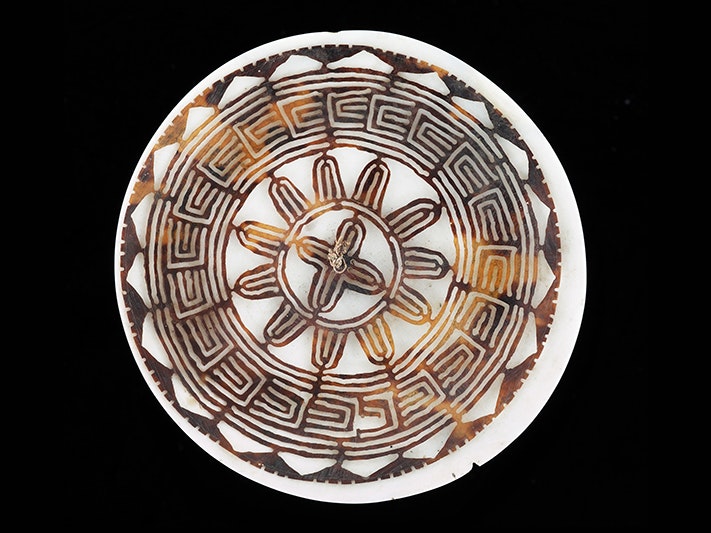
The Solomon Islands, an archipelago nation situated in the southwestern Pacific Ocean, is made up of over 900 islands with rainforests, coastal environments, and coral reefs. The people of the Solomon Islands are primarily Melanesian and the official language is English, however, pidgin English is widely spoken.

Tokelau is in the South Pacific Ocean, about halfway between Hawai‘i and Aotearoa New Zealand. Find out more about Tokelau through videos, blogs, and an activity book.

Many individuals from Asian diasporas in Aotearoa New Zealand have consistently called for a greater focus on mental health issues. This project responds to this call and aims to highlight various discussions, understandings, and perspectives on mental health of Asian communities in Aotearoa.
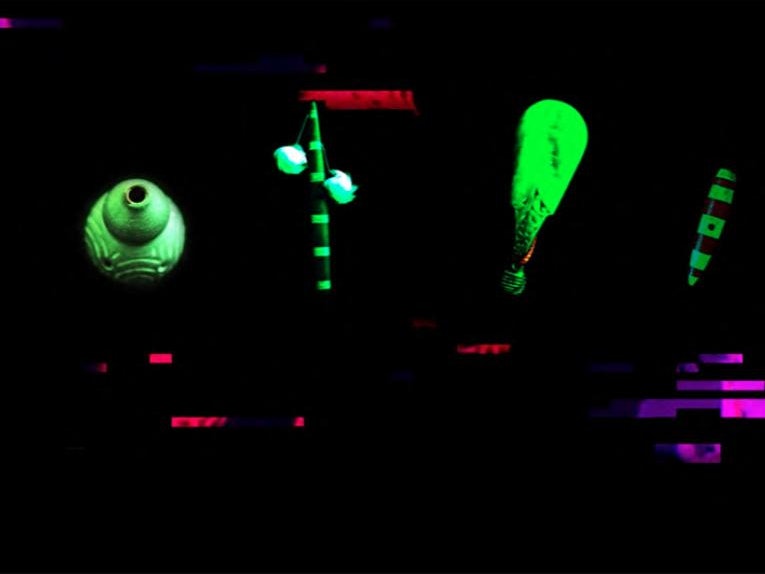
Ngā Taonga Tuku Iho is a five-part series looking at the relationships we have as Māori with our taonga today, and with the practice of archiving.

Studio portraits taken in a professional photographer’s studio – often making use of backdrops or props – were for formal, posed portraits, as well as informal, candid photographs of people, and sometimes their pets.
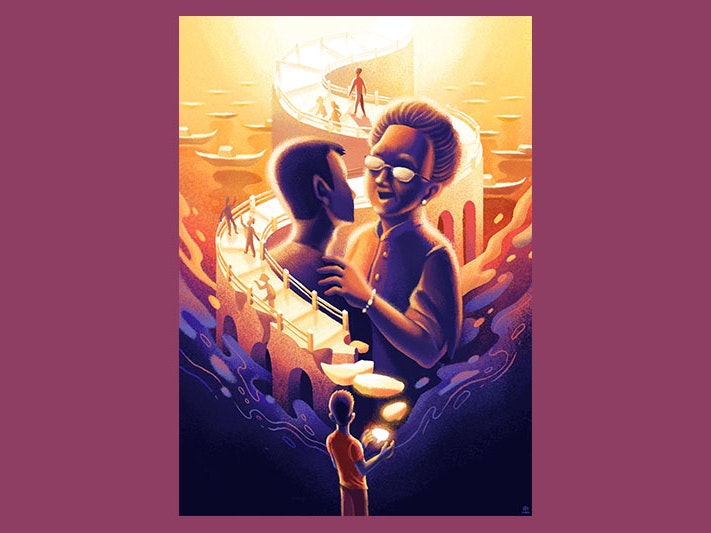
Chinese Languages in Aotearoa is an ongoing project using language to highlight complex issues of cultural identity within various Chinese New Zealand communities. It begins with a series of videos, of people sharing stories of their connection to their heritage Chinese languages, speaking in Mandarin, Hokkien, Cantonese, and Hakka.

Professional and community-level sport has a long history in Aotearoa New Zealand from team sports to individual achievements. Read about rugby, running, racing, and rowing, along with political crossovers like the 81 tour, international firsts like the Britten Bike, Olympic champions like Peter Snell, and life before the All Blacks.
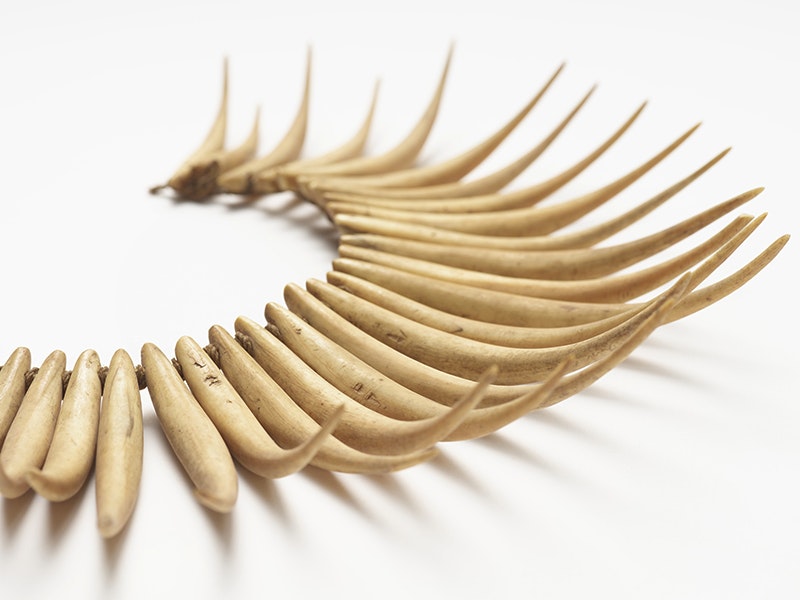
Fiji – officially the Republic of Fiji – comprises over 800 islands and the official language is English, though most speak Bauan or Hindustani. Find out more about Fiji through our collections, videos, blogs, and a Fijian language activity book.
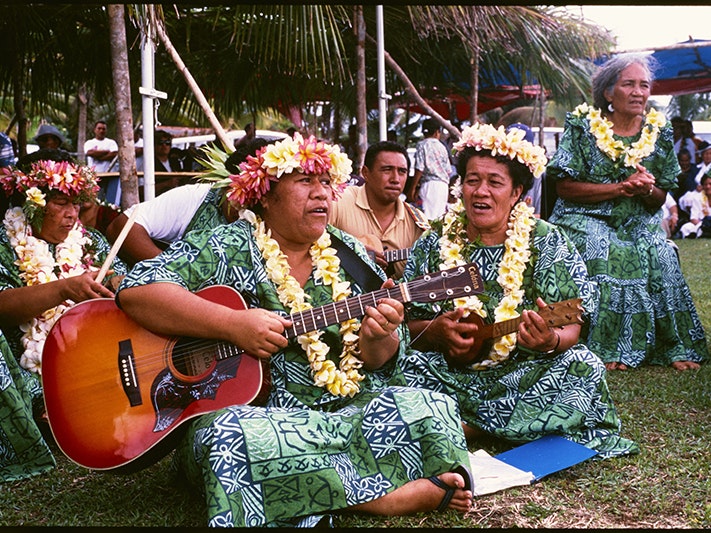
Discover some of our Niuean stories about our communities and collections from kahoa hihi to katoua, tiputa to titi, the coral atoll to coconut, and more.

Explore the history of Sāmoan tatau, watch interviews with people talking about what their tatau means to them, and discover objects and photographs within our collections.
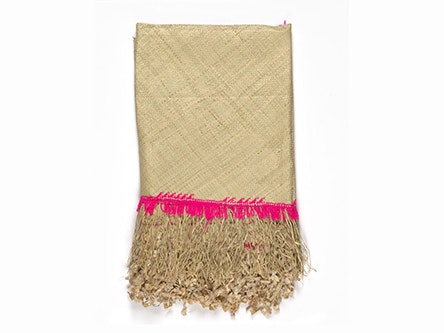
Read about our collections and connections to the island of Rotuma, part of the Rotuma Group, which includes several smaller islands in the South Pacific Ocean, around 650 kilometres north of Fiji.
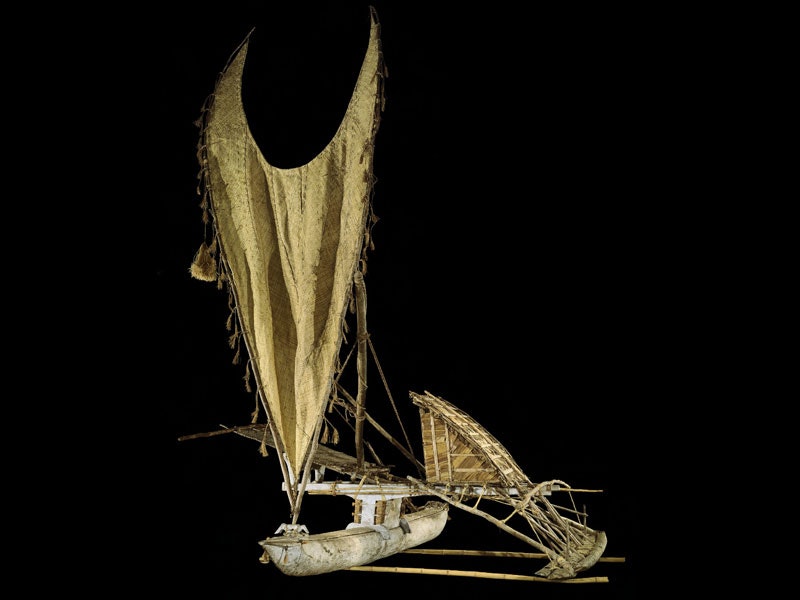
The history of the discovery of Aotearoa New Zealand goes back a millennium and contains the stories of many fine explorers, from Kupe to Cook. Here, explore Pacific exploration and European colonisation through our taonga, kōrero, and events.
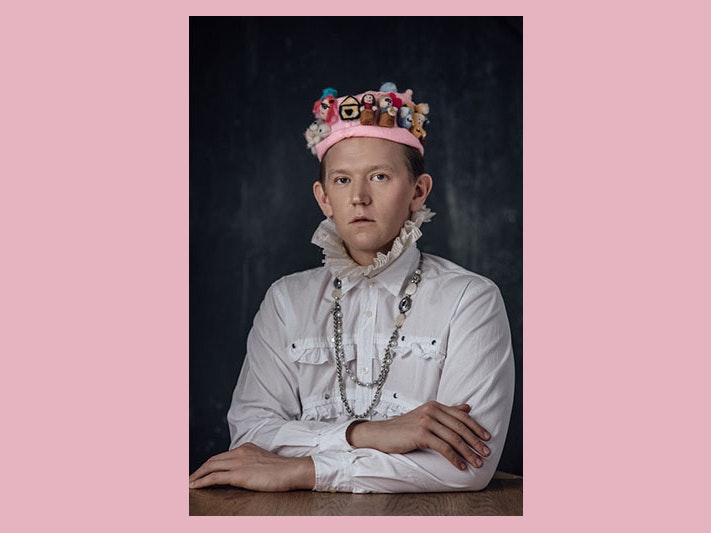
Explore queer objects, artworks, and stories in Te Papa’s collections and discover more about the rich histories of Aotearoa New Zealand’s LGBTQI+ communities and icons – including the AIDS Quilt, Carmen Rupe, and Xena: Warrior Princess.

Making Histories is a Te Papa project which aims to support visitors and communities around New Zealand to reflect on and share their experiences of the Covid-19 pandemic.
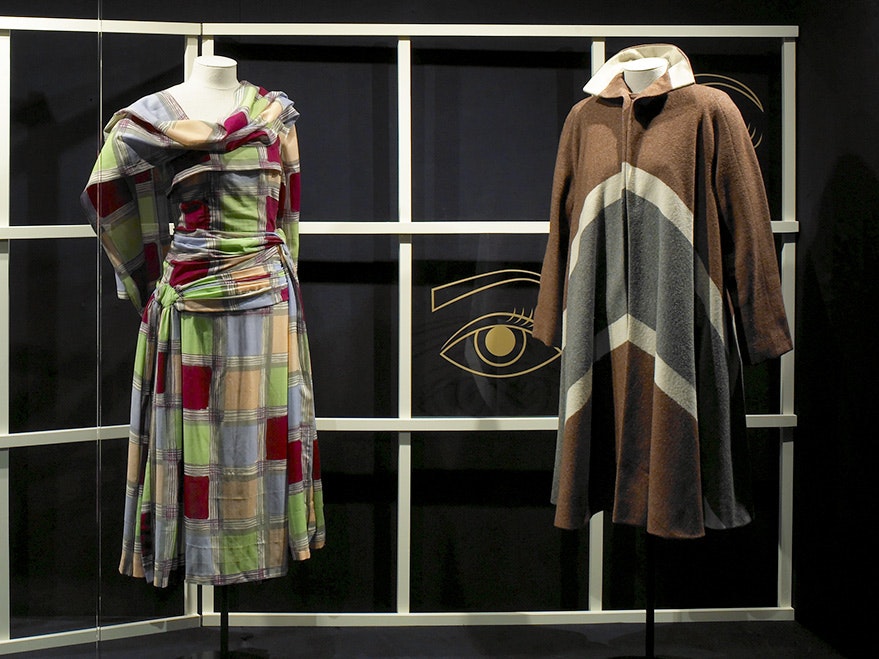
From woollens to workwear, pōtae (hats) to Panamas, feathers to fur, and khakis to korowai (cloaks). Explore stories that highlight the influences, industry, and imagination of fashion in New Zealand through our collections, exhibitions and research.

Ferns are so prominent in Aotearoa New Zealand, we even wear them on our sporting uniforms. From botany research to citizen science, pressed-fern books of the 1800s to collecting All Blacks and tourism memorabilia, our collectors and curators spend a lot of time with ferns.
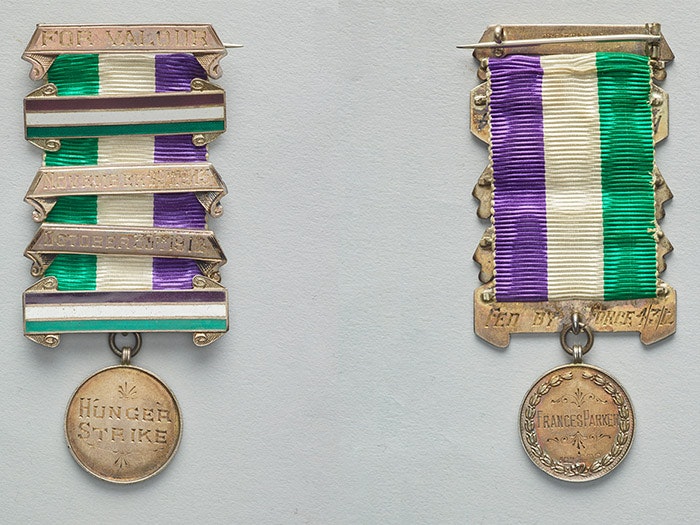
Find out how New Zealand citizens contributed to the suffrage movement in Britain.
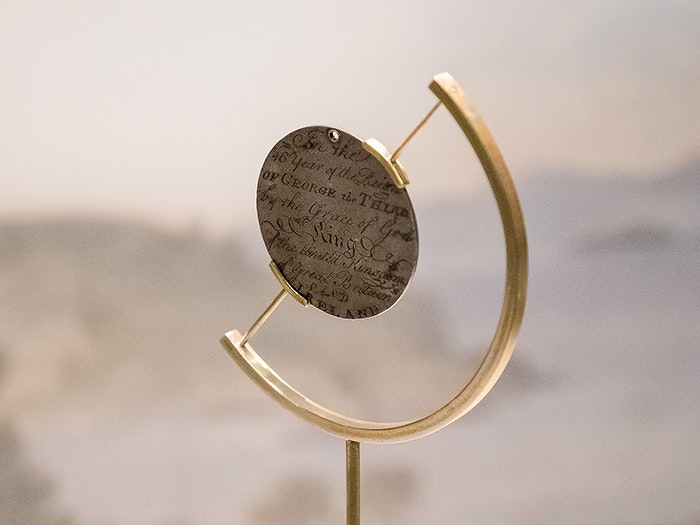
This medal is the first official state gift given to a Māori chief by a foreign leader. Yet this national treasure vanished from Aotearoa New Zealand for over 200 years.

Botany, fishes, birds, insects, fossils, molluscs – read about Te Papa's scientific research and stories from leading natural history experts.
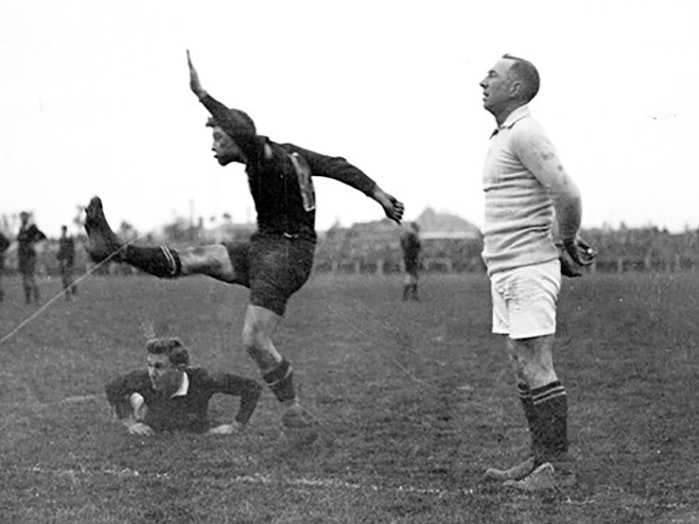
Read about trans histories, the Moon Landing, colonisation and impact, Edmund Hilary, tiny activism, Scots in New Zealand, and so much more.
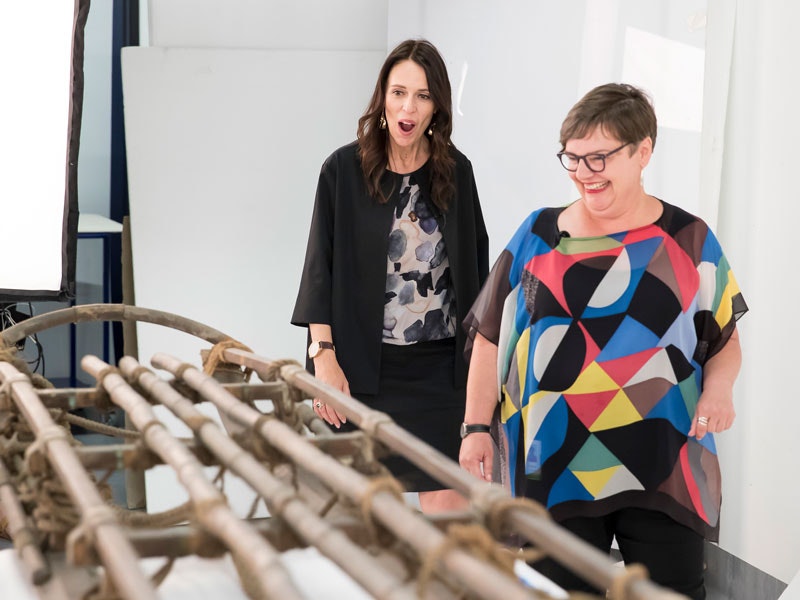
From Jacinda Ardern’s encounter with the sled of her Antarctic hero, to a nine-year-old boy obsessed with the colossal squid, this new podcast series brings New Zealanders face to face with their favourite objects from Te Papa.
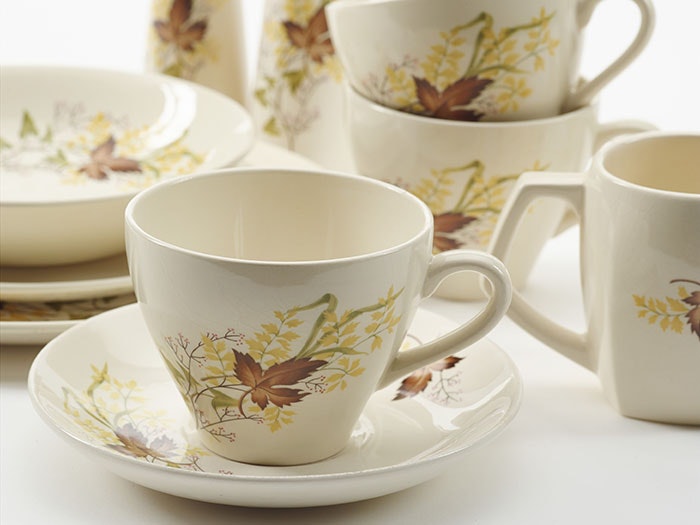
A series of articles looking at the social and cultural impact of a one-time ‘essential industry’ and familiar presence in almost all New Zealand homes.
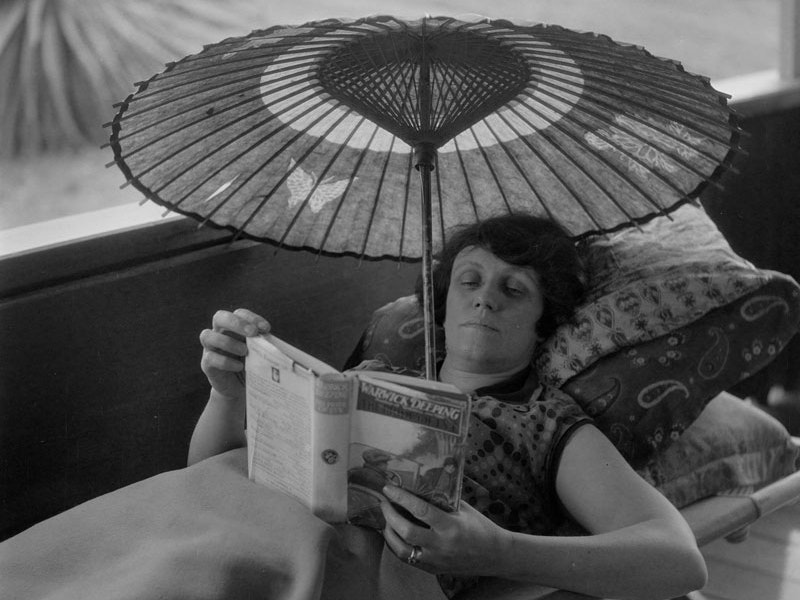
Jigsaw puzzles, activity books, hundreds of hours of videos covering Aotearoa New Zealand’s vast history, quizzes, hubs on specialist topics, whānau challenges, and inspiration points to keep you active at home.
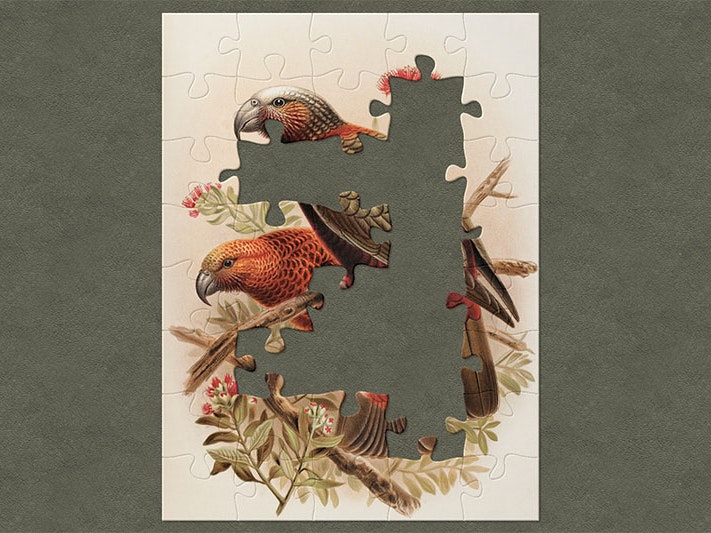
Take a moment or two to relax with online jigsaw puzzles using taonga from our collections. Come back frequently to find new ones!
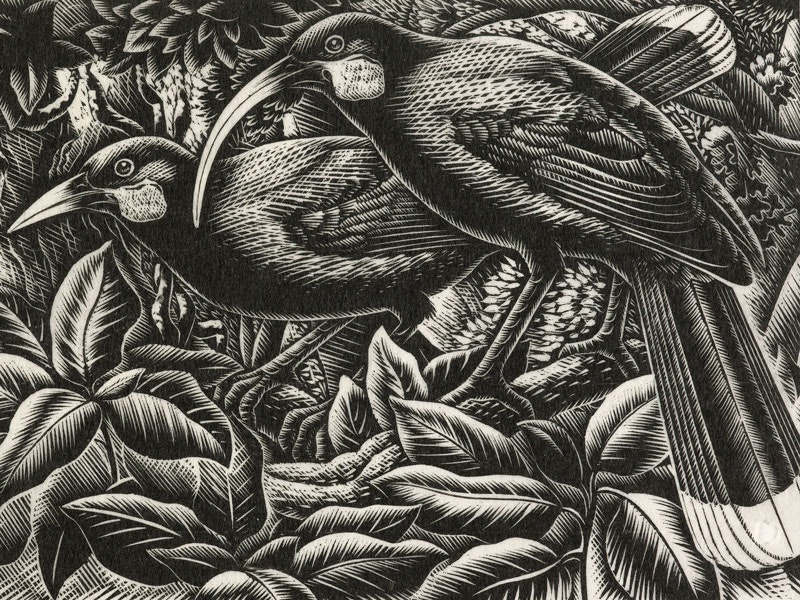
Explore 800,000 artworks, taonga, photographs, collection objects, and botanical and zoological specimens from Te Papa’s collections. Learn about different cultures – or your own! – or find inspiration for your own artworks.
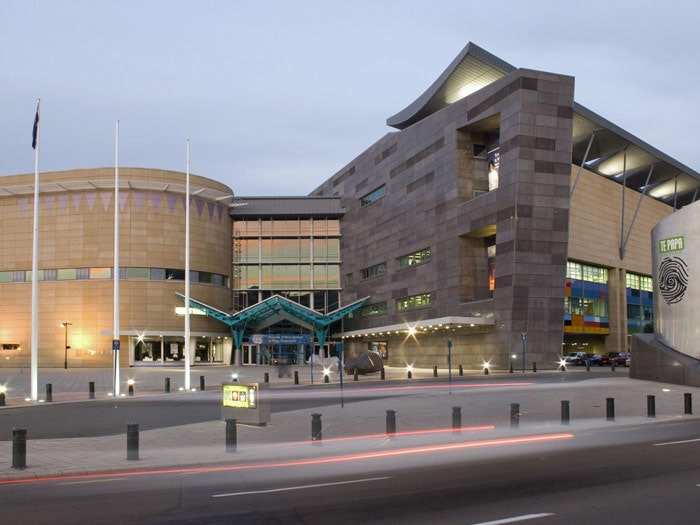
Te Papa is a landmark building in the heart of Wellington. It’s an engineering feat, rich with symbolism, and accessible to all.
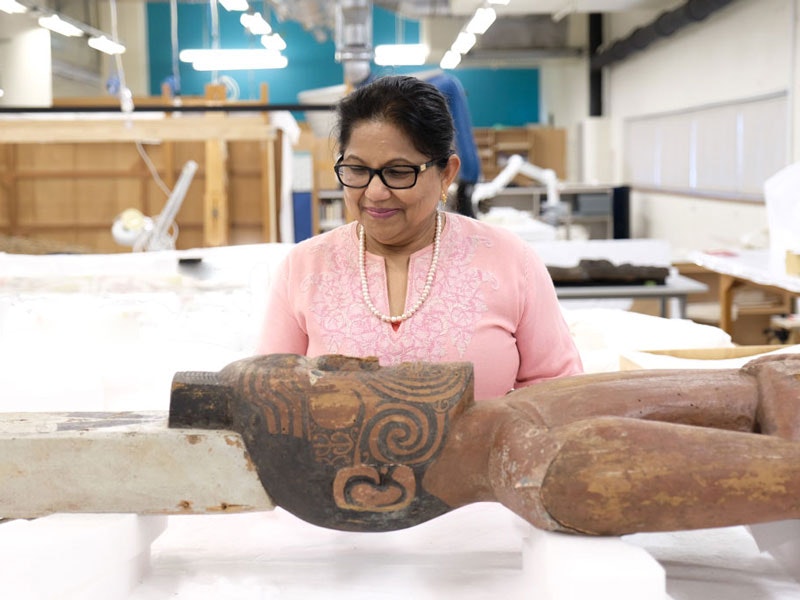
Explore how exhibitions are created, how we care for our collections, and the research that happens behind-the-scenes.
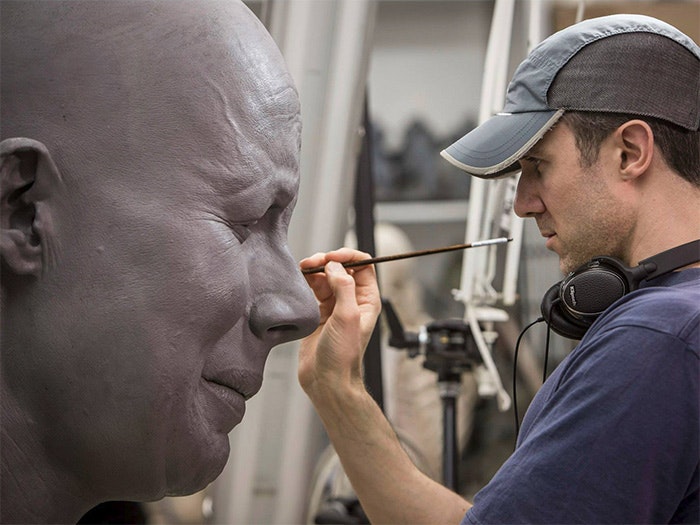
We’ve been creating videos and posting them on YouTube since 2007, so there’s no shortage of things to watch – from a live squid dissection to kapa haka to curators talking about art, there’s something for everyone. Even brush up on your te reo Māori!
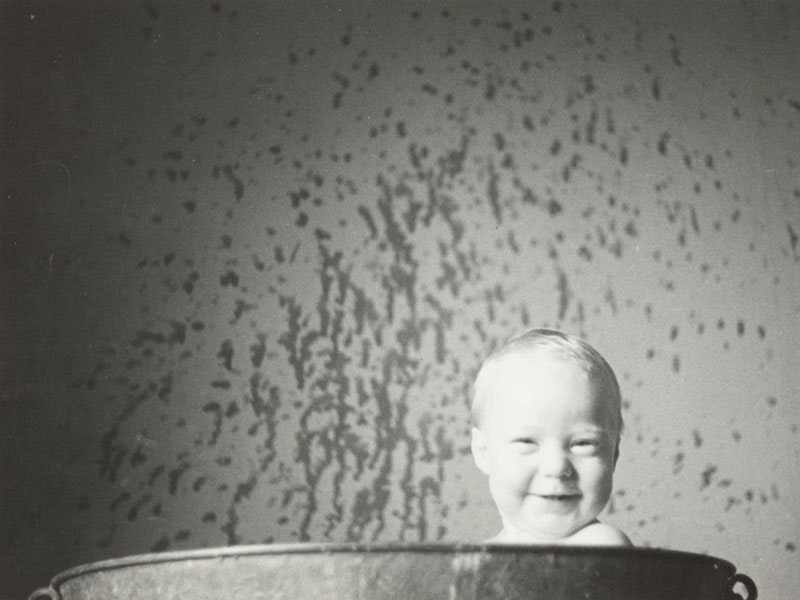
Relax with a jigsaw or quiz, watch a sunset video from Mahitahi Bruce Bay, or browse animals and other highlights from our collections.